Let's talk about what infidelity actually does to desire
Infidelity doesn't just break trust. It shatters your sense of safety in your own body. Suddenly, pleasure feels complicit. Touch feels suspicious. Your nervous system goes into lockdown, and desire vanishes not because of hormones or physical damage, but because the part of your brain that allows vulnerability has gone offline.
Here's what I've seen in my practice: couples who skip straight to "let's fix the relationship" without first healing their individual relationship to pleasure get stuck. They're trying to rebuild intimacy on ground that's still burning. The body remembers betrayal long after the mind decides to forgive.
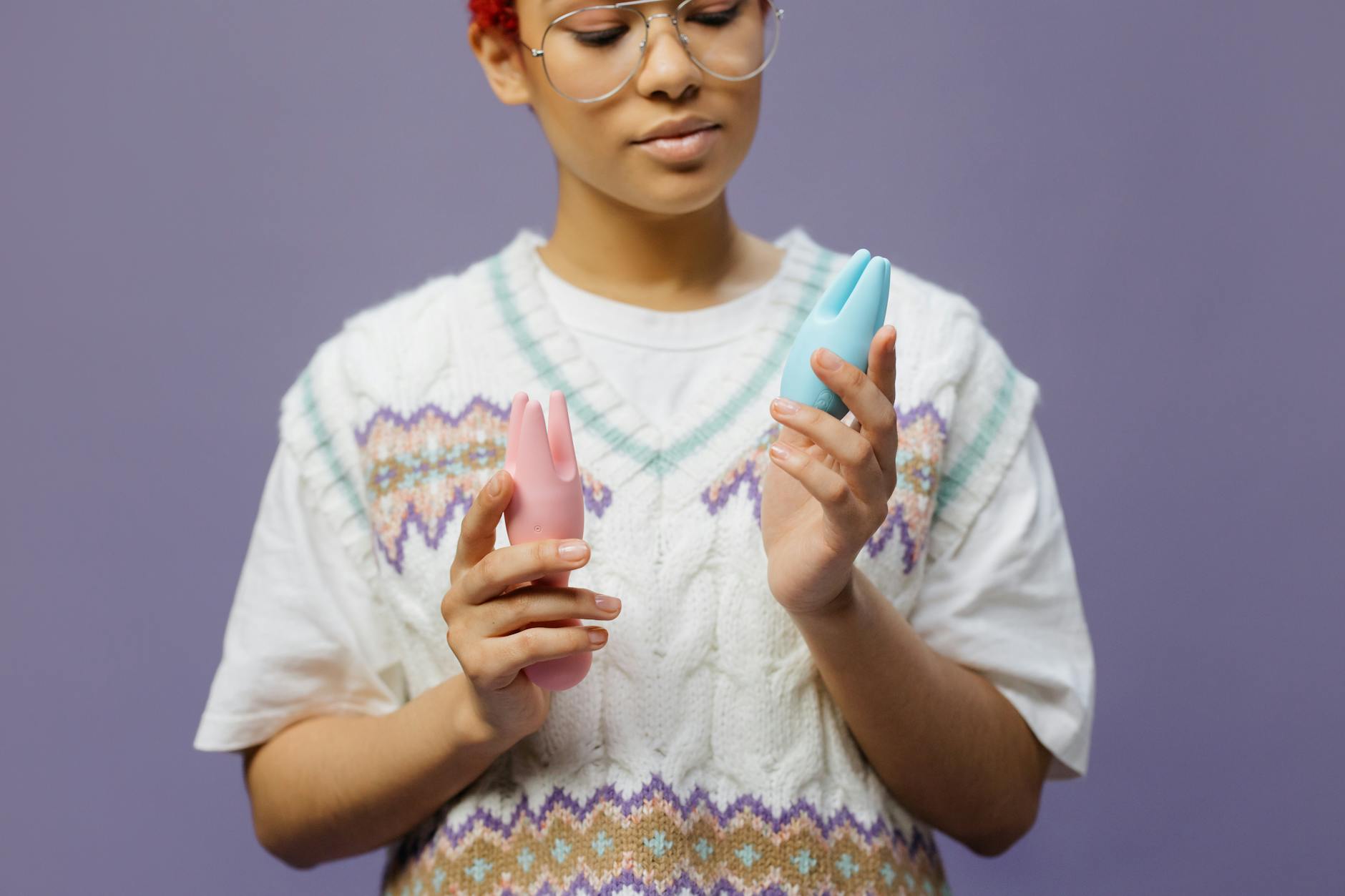
A lemon clitoral vibrator isn't relationship repair. But it's where repair begins. When you reconnect with your own pleasure, independent of your partner, you're teaching your nervous system that touch is yours again. That's not small.
The neuroscience of why solo pleasure matters first
When betrayal happens, your brain's threat detection system hijacks everything. Arousal requires a specific kind of safety that infidelity obliterates. Your nervous system needs evidence that pleasure isn't entangled with danger.
Using a lemon vibrator alone does something counterintuitive: it divorces pleasure from the relationship. You're not performing reconciliation. You're not trying to be "sexy enough" or proving anything to your partner. You're simply reclaiming the fact that your body produces good feelings independent of anyone else's choices.
This matters neurologically. Orgasms from solo stimulation activate different reward pathways than partnered sex. They're purer because they're not filtered through attachment anxiety. When you have an orgasm alone with a lemon vibrator, you're reinforcing to your threat-detection system that pleasure is safe when it's under your control.
That foundation has to exist before you can rebuild partnered intimacy.
Starting over with your body: the practical steps
If you've been avoiding your own pleasure since the betrayal, reintroduction takes permission and gentleness. Here's how to start:
Pick a time when you're alone and unhurried. Not after a fight, not when you're exhausted, not when your partner is in the next room and you're anxious about being discovered. You need genuine safety, not just physical aloneness.
Begin with touch that has nothing to do with the lemon vibrator. Warm water, soft sheets, your own hands. Feel what you can feel without a tool first. This reconnects you to basic body awareness that infidelity trauma often suppresses.
When you introduce the lemon clitoral vibrator, start at the lowest setting. Not because you need to build up (you don't), but because low intensity allows you to stay present. Trauma hijacks the present moment. Staying conscious of what you're feeling is the point.
Expect the experience to feel strange. Not bad, just unfamiliar. Your body might feel numb. You might feel guilt. You might feel nothing for a while and then suddenly feel everything. All of that is normal.
What changes when you do this regularly
After a few weeks of consistent solo use, something shifts. You begin to understand that pleasure isn't a currency in your relationship's economy. It's yours. This distinction matters more than any conversation about "moving forward."
Clients often report that reconnecting with solo pleasure also reconnects them with agency. When you can give yourself an orgasm, you remember that you exist outside the betrayal. You're not just a hurt person in a hurt relationship. You're a person with a body that works.
You also become more discerning about partnered sex. When pleasure is yours again, you can decide whether you actually want partnered intimacy or whether you're pursuing it out of obligation or fear of abandonment. That clarity is essential. You can't rebuild anything real on the foundation of obligation.
Transitioning to partnered use: if and when
If you and your partner are working toward reconciliation, incorporating a lemon vibrator together can eventually help. But timing matters. Only do this when:
You've had consistent solo orgasms and felt stable in that experience. You've had conversations about what you need going forward, separate from sex. Your partner has shown genuine accountability, not just apologies. You actually want to move toward intimacy, not just because you think you should.
When the time comes, let them watch without pressure. Use it the way you've learned to use it alone, at your own pace, with your own rhythm. Their job is to witness, not to perform or prove anything.
Many couples find that this resets the dynamic. Instead of sex being a site of betrayal, it becomes something collaborative. Your partner isn't the only source of pleasure. You're interdependent, not dependent. That's a completely different foundation.
The emotional work is still the biggest part
A lemon vibrator helps your nervous system heal. It doesn't heal the relationship. That requires conversations about why the infidelity happened, what was missing, whether both of you actually want to stay, and what accountability looks like going forward.
If you're using toys but avoiding the hard relational work, you'll rebuild desire only to discover the underlying issues are still there. Pleasure without trust is hollow. Trust without pleasure is distant. You need both.
Consider working with a therapist trained in infidelity recovery. The Gottman Method, which I use with many couples navigating this, offers concrete frameworks for rebuilding trust that go beyond good intentions.
What I want you to know is this: infidelity isn't the end of your sexuality. It often feels like it. Your body might feel like a crime scene for a while. But pleasure is recoverable. Trust is recoverable. And sometimes the tool that helps you begin is something as simple as a lemon clitoral vibrator and an afternoon alone.
Frequently asked questions
How long until I can have partnered sex again after infidelity?
There's no timeline. Some people feel ready in weeks. Others need months or years. The question isn't "how long" but "do I actually want this, or am I performing forgiveness." If you're regularly having solo orgasms and feeling present in your own pleasure, that's one signal you might be ready to explore partnered intimacy again. But readiness isn't just physical. It's about whether trust is actually rebuilding.
Can using a lemon vibrator with my partner help us rebuild, or does it make things worse?
It depends on the context. If you're using it to avoid the deeper work of rebuilding trust and communication, it can feel like a band-aid. If you're using it as part of a larger process of reconnection, after doing individual healing work and having serious conversations about the betrayal, it can help reset the dynamic. The vibrator isn't the problem or the solution. The conversation is.
I feel guilty using a lemon vibrator because my partner had an affair. Is that normal?
Completely normal, and it's worth examining. Sometimes guilt is a sign that you're internalizing blame for your partner's choices (you're not responsible for their infidelity). Sometimes it's a sign that your nervous system is still in threat mode and sees pleasure as dangerous. Solo pleasure is an act of self-care, not a betrayal of your relationship. You deserve to reconnect with your body.
What if my partner wants to use the lemon vibrator on me before I'm ready?
Say no. Your readiness timeline is yours. Your partner's desire to move forward doesn't override your need to feel safe. A partner who respects you will wait until you're genuinely ready, not just compliant. If they push, that's a sign that the relationship repair work isn't moving in a healthy direction.
Can a lemon vibrator replace therapy after infidelity?
No. A lemon clitoral vibrator helps your nervous system feel safe again. Therapy helps you process what happened, decide whether the relationship is worth staying in, and learn the skills to rebuild trust. Both matter. Don't skip the therapy.
Is it okay to use a lemon vibrator if we're still deciding whether to stay together?
Yes. In fact, that's exactly when you should be reclaiming your own pleasure. You need access to your own desire to make clear decisions about this relationship. When you're disconnected from your body, you can't think straight. Reconnecting with pleasure, solo, gives you the clarity you need to decide whether you want to rebuild with this person or move on.
The bigger picture: pleasure as reclamation
Infidelity tells your body that it wasn't enough. That lie is embedded in your nervous system now. When you use a lemon vibrator alone and have an orgasm, you're telling your nervous system something different: your pleasure exists independent of anyone else's choices. Your body is trustworthy. You are enough.
That's not a small thing. That's the ground floor of healing.
If you're navigating infidelity and want to explore what reconnecting with your own pleasure could look like, get in touch. I work with people rebuilding intimacy after betrayal, and I can help you figure out what your nervous system needs right now.
You're going to be okay. Pleasure returns. Trust returns. It just takes time, intention, and the willingness to start with yourself.