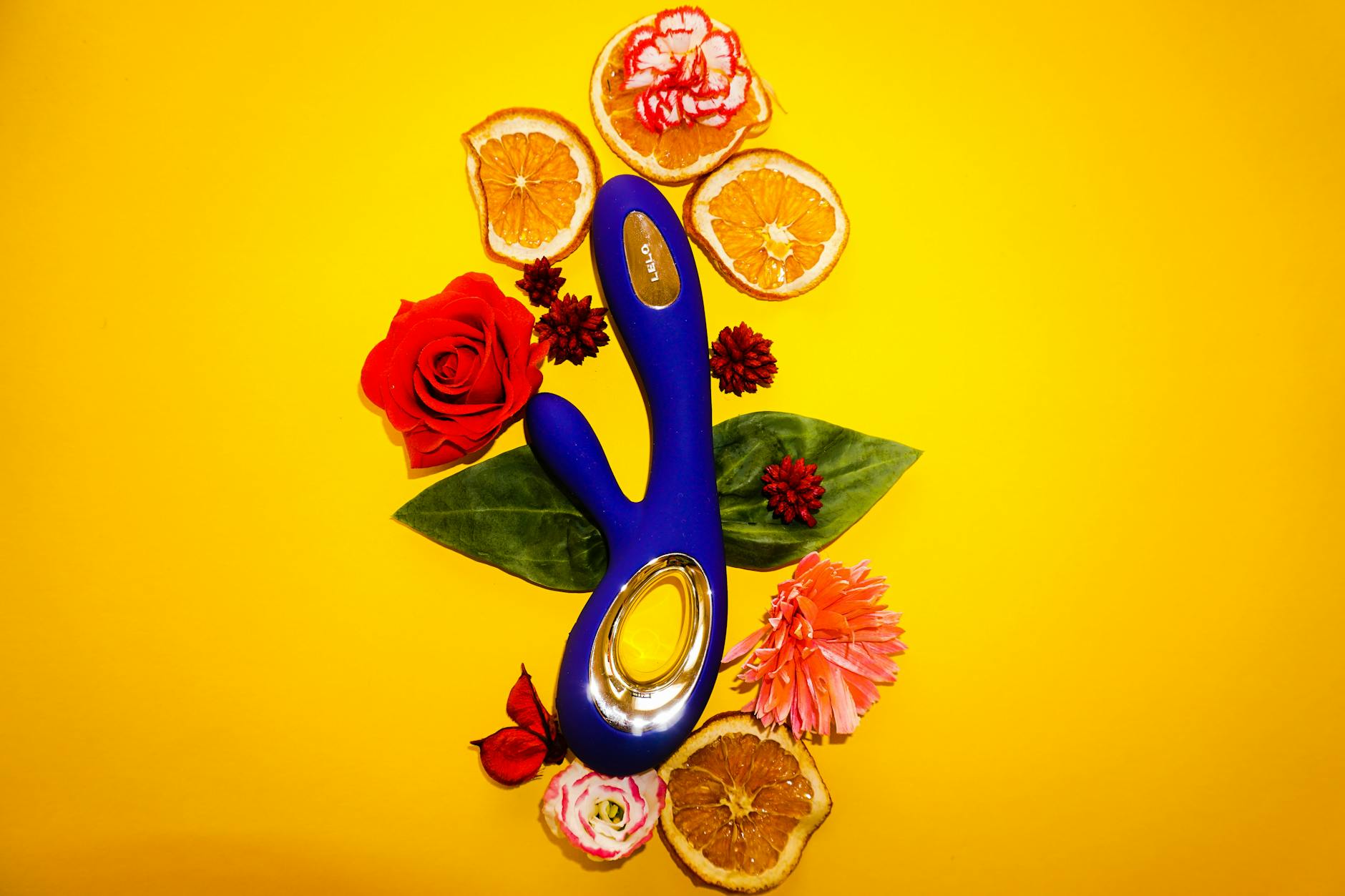
The thing nobody tells you about vibrators and partners
Let's be real. You've probably thought about it. Maybe you've even wanted to suggest it. And maybe you've been absolutely terrified of how it would land.
Here's the truth: bringing a clitoral vibrator into partnered sex isn't a sign that something's wrong. It's a sign that you're both interested in better orgasms. And that matters.
Why vibrators actually improve partnered sex (not replace it)
I've worked with hundreds of couples, and the ones who bring toys into the bedroom aren't the ones with broken relationships. They're the ones willing to experiment, communicate, and prioritize mutual pleasure. That's actually the foundation of lasting intimacy.
A lemon vibrator does something hands and bodies alone can't do efficiently. It delivers consistent, targeted stimulation to the clitoris at a speed and intensity that rarely comes from manual touch alone. For many people, this means easier orgasms. For others, it means deeper ones. Either way, orgasms are feedback. They're your body saying "yes, this works." And in a partnership, that's valuable data.
The research backs this up. Studies on couples who use toys report higher satisfaction, better communication, and more frequent sex. The act of exploring together creates vulnerability, which deepens intimacy.
The conversation before the toy arrives
The intro is everything. And I don't mean leaving a vibrator on the nightstand as a surprise.
Pick a low-pressure moment. Not in bed. Not when you're already undressed. Try during a normal conversation, maybe over coffee or a walk. Say something like: "I've been thinking about trying a vibrator during sex. Would you be open to that?" Simple. Direct. No apology, no explanation needed.
What often happens next is the other person gets curious or worried. Let them ask questions. Common ones: "Do you not like how I touch you?" (Answer: "No, I actually really do. This is about trying something new together.") "Does this mean I'm not enough?" (Answer: "You're plenty. This is about both of us exploring what feels best.")
The goal isn't to convince them immediately. The goal is to open the door. If they're hesitant, ask why. Sometimes it's insecurity (totally addressable through reassurance). Sometimes it's practical (they want to understand how it works first). Sometimes it's logistics (they worry it'll be distracting). All of these are solvable.
Choosing the right tool for your dynamic
Not all vibrators work equally well during partnered sex. You want something that's quieter, easy to position, and doesn't require constant hand-holding.
The Lem, for instance, is a suction-style clitoral vibrator. It's quieter than most, the handle is easy to grip, and because it creates suction rather than direct vibration, it won't overwhelm your nervous system mid-thrust. It's also small enough that a partner can hold it while you're moving together, or you can take over when you want direct control.
Consider your actual sex life. Are you mostly having penetrative sex? You'll want something hands-free or easy to position. Are you spending time on foreplay? Something with varied intensity levels gives you room to build. Do you have a partner who's new to toys? Choose one that's intuitive (not ten buttons and confusing settings).
The actual logistics (the part people don't talk about)
First time using it together is awkward. Accept this upfront. You're adding a third object to something that used to be just two people. There's a learning curve.
Here's what actually works: start slow. Bring the vibrator in during foreplay, not as the grand finale. Let your partner hold it while you're kissing or when you're getting started. This way, they're involved from the beginning. They feel the weight of it, they control the rhythm, and you're not introducing something shocking mid-stroke.
If you're usually on top during penetrative sex, you might want to switch positions the first time. Being on your back or in a position where both partners have visibility helps. Your partner can see where the vibrator is positioned. You can see their face and adjust based on what they're comfortable with.
Lubrication matters more when there's a toy involved. More surface area, more friction potential. Use water-based lube. It makes everything more comfortable and reduces any awkward catching or pulling sensations.
Communication during (the unsexy thing that makes it work)
You need a shorthand. Not in a clinical way. Just something that lets you both know what's working.
Try: "Lower" or "higher." "A bit more" or "ease off." Some couples use a simple thumbs up or just verbal cues like "yes, there." The key is that your partner isn't guessing. They're not worried about hurting you or doing it wrong. They're focused on the pleasure part.
Some people want the vibrator on during penetration. Others find it too intense. Some want it just before orgasm. Others want it during the entire session. This changes for each person depending on where they are in their cycle, stress levels, medications, and a dozen other factors.
Which means you're going to have to talk about it. Multiple times. After sex, not during. "That worked really well. Can we try it that way again?" Or "I think I liked it better when you held it at that angle." These conversations sound awkward written out, but they're actually incredibly hot when you're in them. Because you're both saying "I want to be good at pleasing you."
What actually changes for the person with the toy
Being on the receiving end of a vibrator with a partner is different from solo use. There's usually less control on your end (someone else is holding it), which some people find relaxing and others find frustrating. If you're frustrated, say so. Ask if you can guide their hand or hold it yourself.
Orgasms might feel different too. Faster, maybe. More intense. Or sometimes weaker if you're distracted by trying to manage someone else's comfort or worrying about performance. All normal.
The goal isn't to have a better orgasm than you usually do. The goal is to explore together and find what works. If your first time using the Lem with a partner results in no orgasm at all, that's fine. You're building a new pattern. It takes three to five times before most people feel genuinely comfortable.
After the first time (managing expectations and momentum)
Some couples report that after using a vibrator once, they want to use it every time. Others use it occasionally. There's no correct answer.
What matters is that you both feel like it's a choice, not a requirement. If one partner starts to feel like the vibrator is necessary for satisfaction, that's worth checking in about. Sometimes it means you need to go back to basics for a few sessions. Sometimes it means exploring different toys or techniques.
Keep the toy accessible but not obvious. A drawer works. The nightstand drawer works. You don't need it visible in your bedroom, but you also shouldn't have to hunt for it when you want it.
If using a lemon clitoral vibrator or other toys becomes part of your regular routine, that's lovely. If it stays occasional, that's lovely too. What matters is that you're both present, communicating, and interested in each other's pleasure. The vibrator is just a tool. The real work is the conversation and willingness.
The ripple effect (why this matters beyond just orgasms)
Here's what I've noticed after years of working with couples. Partners who explore pleasure together report better communication in other areas of their relationship. They practice asking for what they want. They practice saying yes and no. They build resilience around vulnerability.
A lemon vibrator or any clitoral vibrator becomes this small portal into "what if we tried something neither of us has done before together." And that spills over. Suddenly you're trying new restaurants together, or taking a different route on your walk, or having conversations you wouldn't have otherwise had.
Sex is never just about sex. It's about trust, experimentation, and the willingness to be seen. A vibrator doesn't change that dynamic. It amplifies it.
Troubleshooting the common awkward moments
Your partner seems uncomfortable but hasn't said anything. Pause. Ask directly: "Does this feel good or should we try something different?" Create space for a no without judgment.
You're not orgasming like you do alone. Totally normal. Your nervous system is different when someone else is present. Try a few times before concluding it doesn't work. If after five or six attempts it still feels off, you might need to explore different positions, different toys, or different timing.
One of you feels insecure about the toy. Address it in a non-sexual moment. "I noticed you seemed tense when we tried the vibrator. What was that about?" Listen. Often it's a fear that's completely unfounded once it's voiced.
The toy is too quiet and you can't hear it. That's a feature, not a bug. You can focus on sensation rather than the buzzing sound. But if the silence feels weird, that's okay too. Some couples prefer slightly louder toys because it feels like something external is happening, which takes pressure off performance.
The bottom line
Using a vibrator with a partner is an act of collaboration. You're both saying "I want to know what pleasure looks like for us." That's the whole point. Not better than before. Not more intense than solo. Just different, explored together, with curiosity instead of judgment.
Start with a conversation. Pick a tool that fits your life. Communicate during. Debrief after. And remember that the first time is rarely the best time. You're building a new pattern together. That takes practice, patience, and willingness to laugh when things feel awkward, because they will.
That awkwardness is actually intimacy in disguise.
People also ask
Is it normal to need a vibrator during partnered sex?
Completely normal. The clitoris requires consistent, targeted stimulation that's hard to deliver manually during penetrative sex. About 75% of people with vulvas don't orgasm from penetration alone. A vibrator isn't a workaround for a problem. It's a tool that works with your anatomy. Many couples find that using a lemon vibrator or similar toy actually improves their overall satisfaction because the pressure to orgasm from penetration alone disappears.
Will using a vibrator during sex make it harder to orgasm without one?
This is the worry everyone has. The short answer: probably not. Your body doesn't "get used to" vibration and stop responding to other stimulation. What's actually happening is you're building a new neural pathway that includes this sensation. You can still access all the old ones. Think of it like learning a new language. You don't forget your first one. Some people genuinely prefer vibrators. Others rotate between different types of stimulation. Your body is adaptable.
How do I bring up using a vibrator if my partner has never mentioned it?
Start with curiosity, not demand. "I've been thinking about trying something new. Would you be open to exploring a vibrator together?" That's it. No build-up, no justification. If they say yes, great. If they're hesitant, ask what the hesitation is. Often it's a simple reassurance away from "I'm open to trying." If they say no, respect that and don't push. But leave the door open for future conversations.
Can we use a vibrator if my partner is worried they won't "measure up"?
Yes, and this worry usually comes from a misunderstanding. Reframe it: "The vibrator isn't a replacement for you. It's something we're exploring together. You're still the person I want to be with." Sometimes showing your partner how a vibrator actually works reduces the anxiety. Letting them hold it, see how you respond to it, and understanding it's about sensation intensity rather than connection helps. If the insecurity persists, that's worth exploring in a deeper conversation or with a couples therapist.
What's the difference between using a vibrator solo versus with a partner?
Solo, you have complete control over speed, angle, and pressure. You can stop and start whenever. With a partner, someone else is holding or guiding the toy, which means you're not in total control. For some people, this surrender feels amazing. For others, it's frustrating at first. Most people need a few tries to adjust. It's also worth trying it both ways. Maybe you hold the vibrator while your partner is inside you, or maybe they hold it. Different configurations feel different.
If my partner loves using a vibrator on me, does that mean they don't find my body attractive?
No. In fact, it usually means the opposite. They're interested in giving you better orgasms. They're willing to learn your body's preferences. They're engaged in your pleasure. That's attraction. The vibrator is just a tool that makes the experience more efficient or more intense. It has nothing to do with how they perceive you physically.
References
Rosenberg, R., et al. (2018). "Prevalence and Correlates of Erectile Dysfunction by Race and Ethnicity in the Multi-Ethnic Study of Atherosclerosis." The Journal of Sexual Medicine.
Smith, K., et al. (2016). "Sexual satisfaction and the use of sexual enhancement products in heterosexual women: A pilot study." Sexual Medicine Reviews, 4(2), 115-125.
Dudley, M. G. (2002). "Sexual use of vibrators: What did your mother tell you?." Journal of Sex & Marital Therapy, 28(4), 317-329.