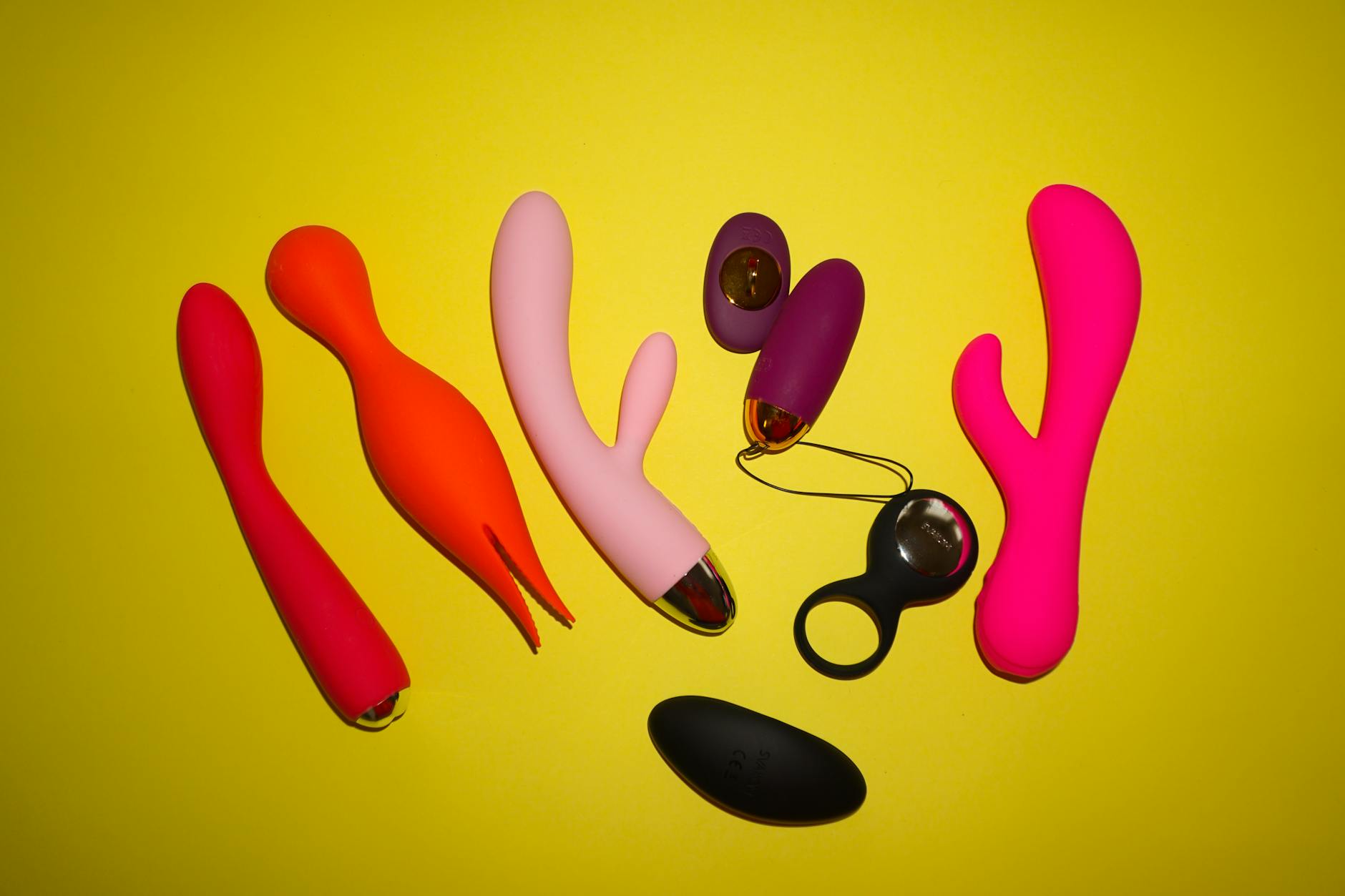
Here's the thing about foreplay with toys
Most couples don't talk about it. One person brings it up, the other feels a little uncertain, and suddenly there's this weird energy where nobody's actually present anymore. Which defeats the entire point.
A lemon vibrator changes that because it's small, it's playful, and it shifts foreplay from "something you do to each other" into "something you explore together." The Lem's air-suction design also means your partner isn't trying to figure out pressure angles or hand fatigue. You're both just... connected.
Starting the conversation before you start
Honestly, the sexiest part of adding a vibrator to foreplay isn't the vibrator. It's the conversation that has to happen first.
Don't do it mid-intimacy. That's when everything feels negotiated instead of playful. Instead, pick a normal moment. "I've been thinking about trying something together. There's this clitoral vibrator I'm curious about. Want to explore that?" Full stop. Let your partner respond.
Common worries your partner might have (even if they don't voice them): Will this replace me? Does this mean I'm not enough? Will it feel weird to watch? None of those are silly. Address them directly. "I want this because I want more of what feels good for both of us. You're still the main event." That's it.
The goal isn't to convince them it's a good idea. The goal is to make sure you both actually want to be there.
The positioning that changes everything
Foreplay with a lemon vibrator doesn't mean you're suddenly lying still while your partner holds a toy. That's boring and it defeats the purpose.
Instead, think of it as an addition to what you're already doing, not a replacement. You could be kissing, touching, or inside each other while the vibrator comes into play. The Lem works best when it's just part of the full-body experience, not the only thing happening.
One position that tends to work really well: you're on your back or reclined slightly, your partner is next to you or between your legs. They're using their hands and mouth alongside the vibrator, so it's layered stimulation instead of isolated. This keeps both of you engaged and aware of what the other person is experiencing.
Another option if you're inside each other: your partner can use the lemon vibrator on you externally while you're connected penetratively. The stimulation is different than what you'd get alone, and it changes the rhythm of everything.
The pacing mistake most couples make
Here's what usually happens: one partner is holding the vibrator and they jump straight to pattern five at full intensity. That's like starting a conversation by yelling. Nobody's ready for it.
Instead, start at pattern one or two. Let both of you get used to the sensation. The lemon vibrator's patterns go deeper and more intense as you climb, but you don't need the strongest setting to build intimacy. In fact, the lower settings often feel better during foreplay because they let sensation build gradually instead of just being loud and overwhelming.
Pacing also means rhythm. Let the vibrator build with what's already happening. If your partner is kissing you, syncing the vibrator's intensity with that creates this natural momentum. If you're moving together, the vibrator can follow that instead of creating a competing rhythm.
When to hand over control (and when not to)
There are two ways this can go: your partner holds the vibrator, or you do.
If your partner is holding the lemon vibrator, it keeps them engaged and in the action. They can feel your responses and adjust. This is great for couples who want foreplay to feel collaborative.
If you're holding it, your partner can focus entirely on touch, kissing, and connection. This is great if your partner feels uncertain about how to use the toy or if you know exactly what you want.
The best couples actually do both. Start with your partner holding it. Then switch. You get different sensations and different energy each way, and it means both of you are staying engaged instead of one person being the "toy operator."
When pleasure plateaus and what to do
Sometimes foreplay with a vibrator hits a point where the sensation flattens. You're not bored, exactly, but it's not building anymore.
That's the moment to shift. Change pattern. Add more direct contact with your partner. Move positions. Have them increase pressure somewhere else. The vibrator doesn't have to do all the work.
Actually, one of the things I've noticed with couples who use the Lem is that they tend to build longer, more sustainable arousal. The air-suction sensation is different enough from fingers or penetration that your nervous system keeps registering new input. You're less likely to plateau because the stimulation genuinely varies.
But if you do hit that wall, don't just keep cycling through patterns hoping one will work. Stop, reconnect with your partner, check in. "What do you want right now?" Sometimes foreplay doesn't need to climax into sex. Sometimes it's just foreplay. That's fine. More than fine, actually.
The comfort check that matters
Here's something couples don't talk about enough: using a vibrator during foreplay means you might be in position longer than usual. Your legs might get tired. Your partner might get a hand cramp. Discomfort isn't sexy.
Take breaks. Use a pillow. If you're kneeling, cushion it. If your partner's arm is tired, switch who's holding the toy or put it down entirely and just be together.
Also, lube. Even if natural lubrication is fine, adding a water-based lube makes everything feel better and reduces any friction that might distract you. It's a small thing that actually matters.
What changes after foreplay becomes a regular thing
Honest confession: couples who add a lemon vibrator to their foreplay routine tend to actually have more sex, not less. It's not because the toy is magic. It's because foreplay stops being something you rush through to get to "the main event."
You start actually enjoying foreplay. You stay present longer. You're more connected because you've had this conversation and you're doing something intentional together.
After a few times, it becomes less "we're using the vibrator" and more just part of what you do. It's normalized. You know what feels good. You can joke about it. You're comfortable.
For couples with mismatched arousal timelines, the lemon vibrator is particularly useful because it helps the person who takes longer to build sensation get there without the other person getting bored or impatient. Everyone's pleasure is actually prioritized.
People also ask
Is it okay to use a lemon vibrator if my partner feels insecure about toys?
Start with the conversation before any toy appears. Listen to what's really going on. Often insecurity isn't about the toy itself. It's about feeling replaced or not good enough. Address that directly. "I want this because I want more pleasure with you, not instead of you." If your partner still isn't comfortable, don't push. But also don't drop it silently. Check back in later. Sometimes it takes time.
How do I know if my partner is enjoying the vibrator too?
Ask. Literally. "How does this feel?" or "Want me to change the pattern?" You're not interrupting the mood. You're deepening it by actually paying attention. Watch their responses too. Breathing changes, body movement, whether they're engaged or zoning out. Your partner will tell you what they need if you're actually listening.
Can we use a lemon clitoral vibrator during foreplay if we're inside each other?
Absolutely. This is actually one of the best uses for it. The external stimulation combined with internal sensation creates a totally different kind of foreplay. Start slow and communicate about what intensity feels good. Some people find that combo overwhelming at first, so patience matters.
What if the vibrator is too intense during foreplay?
Turn the intensity down. The Lem has multiple patterns and levels. You don't need to use the strongest setting. Many couples find patterns two or three are perfect for building sensation gradually. If it's still too much, you might want to try a different positioning where there's less direct contact, or use it for shorter bursts instead of continuously.
How do I bring this up without making it weird?
Don't overcomplicate it. "I found this vibrator that I think could be fun for us. Want to try it together?" That's the whole conversation. If your partner asks questions, answer them honestly. If they need time to think about it, give them that. You're not pitching them on something. You're inviting them into something you want to explore together.
Should we use the vibrator every time we have foreplay?
No. Keep foreplay varied. Sometimes you use it. Sometimes you don't. This keeps things from feeling routine and means you're actually tuning into what both of you want that day instead of following a script. Variety is what actually keeps couples connected long-term.