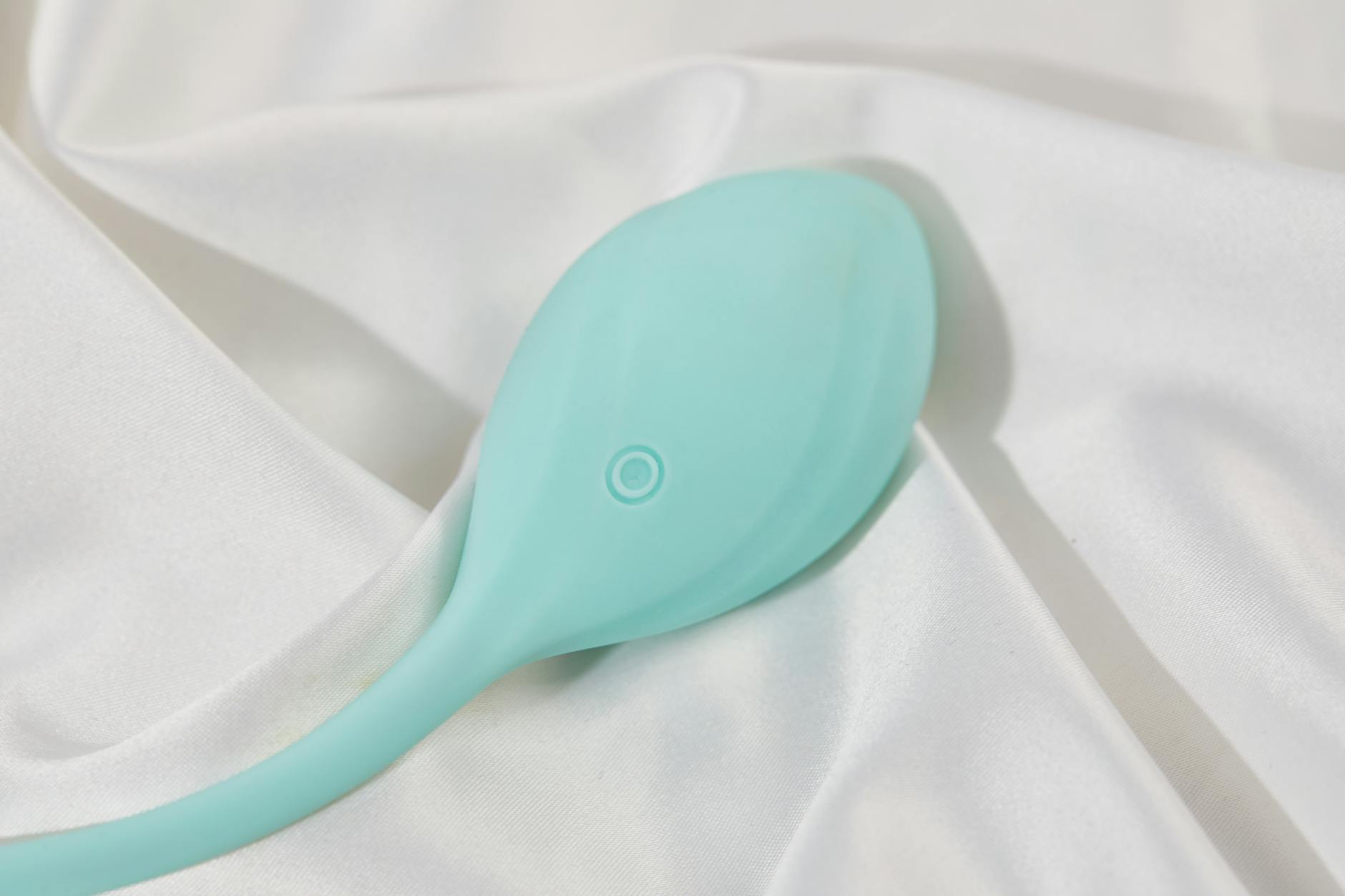
When your partner suggests it first, everything feels different
Your partner brought it up. Maybe they texted it, maybe they said it during a conversation that had nothing to do with sex, maybe they found an article and left it open on their laptop. The moment happened, and now you're stuck in that peculiar frozen zone where you feel caught between curiosity and something that feels like pressure—even if they didn't mean to pressure you at all.
Here's what I see most often in my practice: resistance to a lemon vibrator or any toy isn't usually about the object itself. It's about feeling like the initiative came from them, not you. It can feel like a suggestion that something's missing, or that you're not enough. That reading is rarely what your partner meant, but that doesn't make the feeling less real.
Let's unpack this.
Why "my partner wants to try this" feels different than "I want to try this"
When you choose something yourself, you own the decision. You set the pace. You can stop whenever you want because there was never an expectation you agreed to in the first place. But when your partner brings something forward, suddenly there's an invisible contract: they've shown interest, which means if you say no, you might feel like you're rejecting them. And if you say yes but you're not actually into it, you're now performing for them instead of exploring for yourself.
That's exhausting, and your instinct to resist is actually protecting you from that trap.
The good news: this resistance doesn't have to be the end of the conversation. It can be the beginning of a better one.
The conversation you actually need to have
Don't jump straight to the lemon vibrator or any toy. Start here instead.
Tell your partner: "I'm not saying no. I'm saying I need to understand why you brought this up, and I need to feel like this is something we're exploring together, not something you're asking me to do."
Then listen to what they say. Sometimes partners suggest a toy because they genuinely want to try it themselves. Sometimes they saw something and thought it looked fun without any deeper meaning. Sometimes they've been thinking about it for months but were too nervous to bring it up until they finally did.
Your job isn't to fix their interest or reassure them immediately. It's to understand it.
Once you know what they actually meant, you get to decide how you feel about that. That's permission. That's the difference.
Moving from "I'm not sure" to "Let's try it"
If after that conversation you're still hesitant, here are the actual steps that work:
Step one: Touch it together with no sex attached. Seriously. Hold the lemon vibrator, look at it, feel the weight and material. Turn it on over your clothes. No expectation of arousal, no destination. Just getting comfortable with the object existing in your shared space. This can take days or weeks. There's no timeline.
Step two: Use it on your own first. Even if your partner suggested it, try it solo. This is crucial because it separates the toy from the relationship dynamic. You get to explore what it actually does without performing or worrying about their reaction. A lot of resistance melts once you've had private time with the device.
Step three: Come back to them with what you learned. "I tried it alone, and actually, I think I like pattern three. But I felt weird about the pressure at first." Now you're sharing something real, not something you agreed to under duress.
Step four: Use it together, but on your terms. If you do bring the lemon vibrator into partnered sex, decide in advance what happens. Do they touch it? Do you control it? Are you using it while they're inside you, or separately? The specifics matter less than both of you knowing what the plan is.
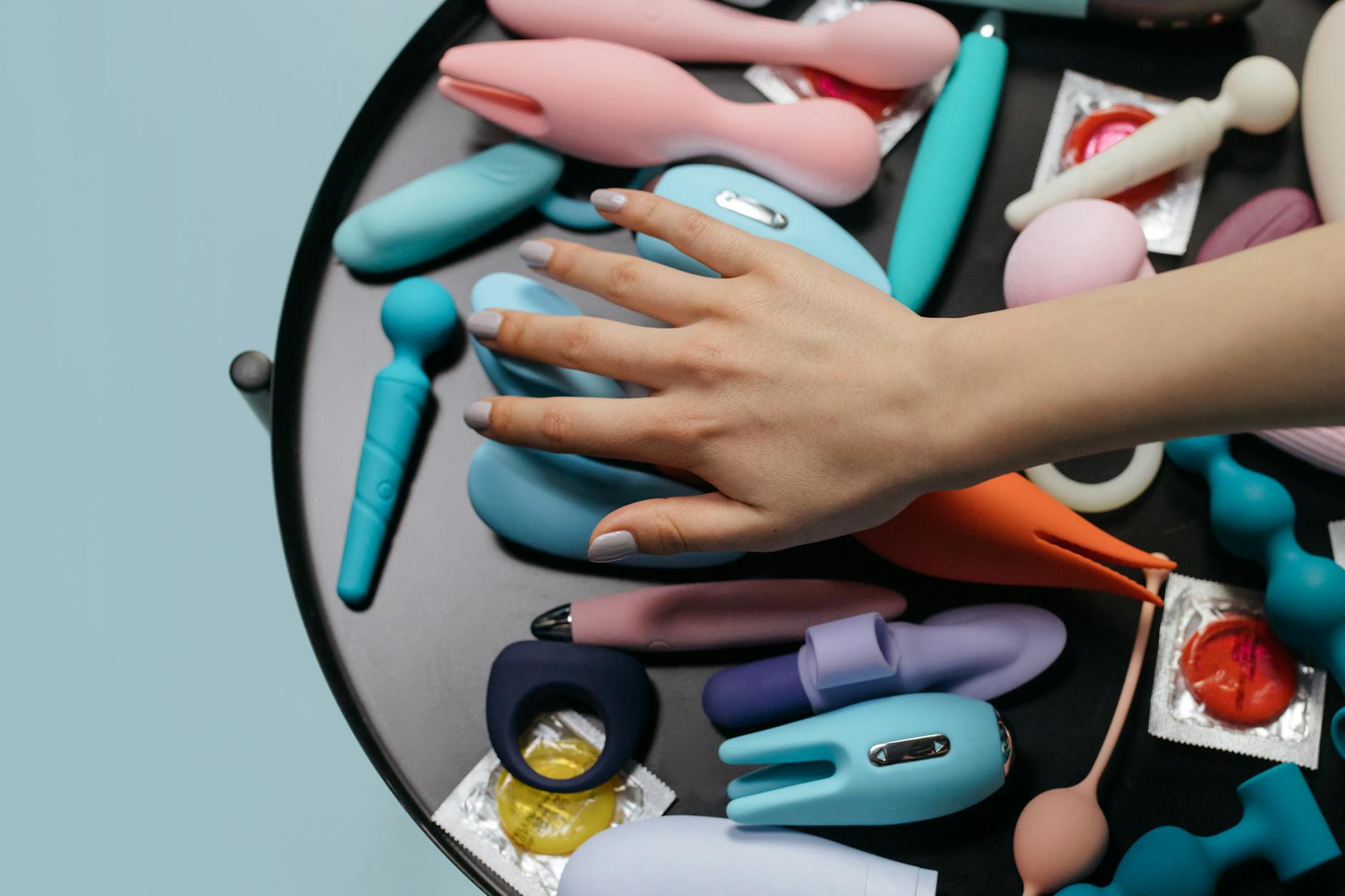
Photo by cottonbro studio on Pexels
The resistance might be telling you something real
Sometimes after you talk it through and try it solo, you still don't want to use a lemon vibrator or any toy with your partner. That's valid. Some people genuinely prefer partnered sex without external devices. Some people feel disconnected when a toy is involved. Some people just don't like the idea.
That's not a rejection of your partner. It's information.
What matters is that you got there through genuine exploration, not pressure. If you say "I've tried it, and I realize I actually prefer sex without toys," that's a complete sentence. Your partner can feel a little disappointed without it meaning anything is broken between you.
The relationships I see work best are the ones where someone can say "That's not for me" without shame, and the other person can hear it without hurt. The lemon clitoral vibrator is just a tool. The real work is learning to talk about desire, boundaries, and curiosity without either person feeling like they're negotiating.
When to push yourself a little (and when not to)
There's a difference between resistance born from genuine discomfort and resistance born from nervousness. Nervousness can be a sign you're about to try something that might surprise you. Discomfort is your nervous system saying no.
Nervousness might feel like: "I'm not sure I'll be good at this" or "What if it doesn't feel like I expect" or "I'm embarrassed." These are feelings you can move through by going slowly and getting information.
Discomfort sounds like: "I don't want this" or "This doesn't align with my values" or "I feel pressured." These are stop signs. And I mean that literally. If you feel pressured, the first thing to address is the pressure, not the toy.
What happens after you say yes
If you move toward trying a lemon vibrator with your partner, remember a few things:
First, the first time probably won't be perfect. You might feel awkward. You might not orgasm. You might feel less connected, or more, or just neutral. All of that is normal and tells you nothing definitive.
Second, you can change your mind mid-experience. If you're using it together and it's not working, you get to say "Let's stop." No explanation necessary.
Third, check in after. Not with a performance review ("Was it good?" is a trap question), but with curiosity. "How did that feel to you?" "Do you want to try it again?" "What would you want to change next time?" Those conversations are often more valuable than the experience itself.
The deeper thing that's actually happening
When your partner initiates and you feel resistant, what's often at stake isn't the toy. It's whether you feel like an equal decision-maker in your shared pleasure. If you say yes to things you don't actually want just to make your partner happy, you're eroding your own authority in the relationship. And your partner, if they care, doesn't want that either.
So the real work is getting comfortable saying no, meaning it, and having your partner respect it. And then, from that place of genuine choice, getting curious about what you actually might want to explore together.
A lemon vibrator is just the vehicle. The conversation is the point.
FAQ: Resistance, toys, and moving forward together
What if I try it and I hate it? Does that mean my partner's suggestion was bad?
No. It means you tried something and learned it's not for you. That's valuable information. You don't owe your partner enthusiasm for something that doesn't work for your body. What matters is that you gave it a genuine try, not that you fell in love with it.
Is it normal to feel resentful that my partner suggested it?
Completely. That resentment is usually about feeling like they identified a gap or a lack. It's not logical—toys aren't criticism—but feelings don't have to be logical to be real. If the resentment sticks around after you talk it through, that might be worth exploring with a therapist, because it could signal something deeper about how you and your partner communicate about desire.
Can I ask my partner to stop bringing up toys if I'm not interested?
Yes. You can say, "I appreciate that you want to explore together, but I need a break from this conversation. Can we revisit it in a few months?" A partner who respects you will hear that and drop it. If they keep pushing, that's a different problem, and it's not about the toy.
What if my partner wants to use it on me right away, but I want to use it on myself first?
Say that. "I want to try this alone first so I know how it feels and what I like." Most partners will respect this. If yours doesn't, see the answer above.
Does using a toy mean my partner thinks I'm not enough?
Not inherently. But that fear is real, and you should say it out loud. "I worry that you suggesting this means you're not satisfied." Your partner can reassure you or clarify what they actually meant. That conversation is way more valuable than the toy.
What if I try a lemon vibrator solo and I love it, but I'm too embarrassed to tell my partner?
You don't have to announce it. But if you want to use it during partnered sex, you'll have to say something eventually. And that conversation gets easier the more you practice saying true things about your pleasure, even when it feels vulnerable. If your partner created a space where you can't be honest about your own enjoyment, that's the actual problem to solve.
The takeaway
Resistance to your partner's suggestion isn't a character flaw. It's information. It tells you something about how you experience choice, autonomy, and desire. Once you understand what the resistance is actually saying, you can decide what to do with it.
Your pleasure belongs to you. Your partner's curiosity belongs to them. A lemon vibrator or any toy is just a possible meeting point, not a requirement. The work is learning to explore together without either of you disappearing in the process.
If you want to talk through how this feels in your specific relationship, we're here to help. Reach out anytime you need support navigating desire with a partner.