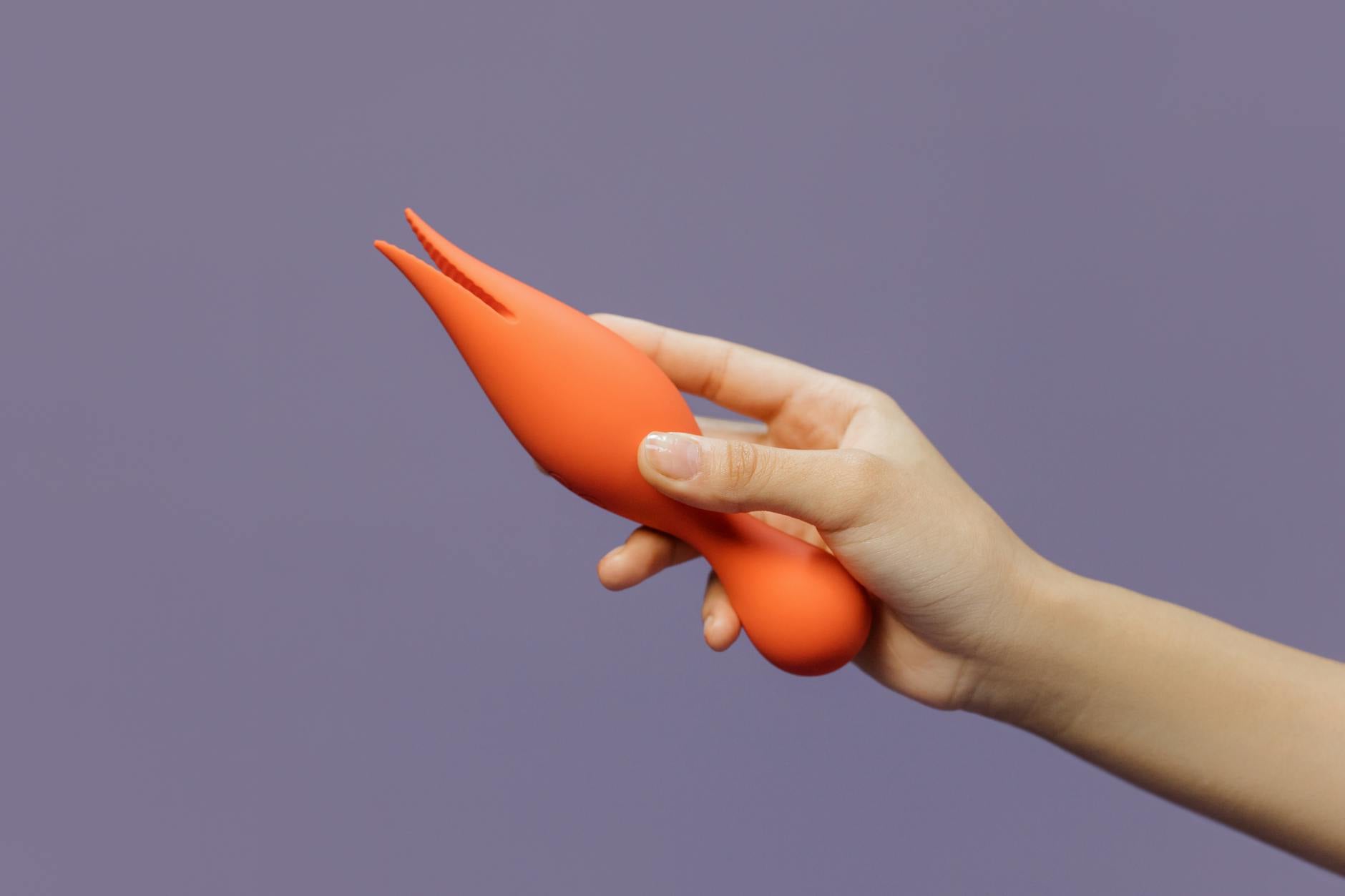
The conversation nobody wants to have
Let's be real: telling your partner you want to introduce a vibrator can feel riskier than actually using one. They hear "I need more" or "You're not enough" or worst case, "I've been faking it." None of that is true, and none of it is what you mean. But that's often what lands.
I've worked with hundreds of couples where one person wanted to bring a clitoral vibrator into the mix and the other shut down completely. The rejection stung. The silence that followed was worse. But here's what I've learned: the hesitation usually has nothing to do with the vibrator. It's about what they think the vibrator means about them, about you, about your relationship.
Why partners get stuck
Most partner resistance falls into one of three buckets, and each one needs a different conversation.
"It means you're not satisfied with me." This one is rooted in insecurity. They're linking your pleasure directly to their performance. Introduce a vibrator and suddenly they're the guy who "couldn't get you there." That's ego talking, but it's also real pain, and dismissing it makes everything worse.
"It's cheating or replacing me." Less common but deeply felt when it shows up. They see a vibrator as a third party in the bedroom, an outsider that shifts the intimacy away from partnership toward solo pleasure. This usually surfaces in people who conflate sex with exclusivity or who've been hurt by infidelity.
"It means you're broken." Some partners buy into outdated messaging that if a woman needs help reaching orgasm, something's wrong with her. A vibrator becomes proof of defect rather than a tool. This one is often buried under surface-level agreement. They'll say "sure, whatever you want" while internally pulling away.
None of these are true, but all of them feel true to the person holding them.
How to start without triggering defensiveness
Timing matters more than most people think. Don't launch this conversation during sex, right after sex, or during an argument. Pick a calm moment where you're both relaxed and there's no performance pressure. A walk, coffee, Sunday afternoon. Somewhere you can be interrupted if you need to pause.
Start with what's true for you, not what you want from them. "I've been thinking about my pleasure and what I actually want during sex. I've noticed I take a long time to come, and sometimes I get in my head about the time it's taking you. I don't want that anymore." This is about you reclaiming your experience, not about their failure.
Then name the thing directly. "I'm interested in trying a clitoral vibrator. Not instead of you. With you. Because I want to know what my body can do when there's less friction between pleasure and getting there." That last part matters. You're not saying "I need this because you can't do it." You're saying "I want to explore this for myself."
The reframe that changes everything
If they push back, here's the move: ask them what they think a vibrator does. Most partners will say "it makes you come" or "it's more intense than I can be." Both true, but incomplete.
Then tell them what it actually does in your body: it changes how stimulation feels. A lemon vibrator specifically works through air-pulse suction, which stimulates the clitoral nerves differently than direct touch or pressure. It's not better. It's different. And different sometimes unlocks things that sameness can't.
Then the bigger reframe: "When I have an orgasm that comes easily, I'm relaxed. When I'm relaxed, I actually enjoy you more. I'm present instead of anxious. I want that for us."
That flips it. You're not using a vibrator to replace him. You're using it to show up better in the relationship.
Bringing them into it
Some partners soften when they feel included. Not forced, but genuinely asked to participate in the discovery. "I'd like you to be there when I try this. I want you to see what happens. I'm curious what you'll notice about my body."
That's vulnerable. You're saying "watch me explore pleasure" and that's different from "here's this thing I'm doing alone." Many partners relax when they realize they're not being replaced. They're witnessing something new.
You might ask him to hold the vibrator while you guide it. Or ask him to watch and tell you what he sees in your face or body when you use it. These small acts of inclusion can dissolve a lot of the "it's not you, it's me" narrative that breeds resentment.
If he's open to it, using a lemon clitoral vibrator together during partnered sex can show him in real time that it doesn't compete with him. In fact, many partners report that watching their partner come easily and intensely is the hottest thing that's happened to them. It shifts from threat to privilege.
What if he stays stuck
Sometimes people need time. Sometimes they need to feel secure enough that their partner's pleasure isn't a referendum on their adequacy. That's a longer conversation and sometimes requires outside help. A sex therapist or couples counselor can intervene in a way that a partner can't.
But here's what I won't let slide: you do not have to give up your pleasure because your partner is insecure. That's not partnership. That's enabling someone else's avoidance at the cost of your own body.
Set a boundary gently but clearly. "I love you and I want us to figure this out together. But I'm also not going to pretend my pleasure doesn't matter. If you need help with this, I'm open to talking to someone who specializes in this. But I'm moving forward either way."
That's not mean. That's adult.
The conversation after the first time
Once you've actually used a lemon vibrator with or near your partner, the conversation shifts again. It's no longer theoretical. They've seen it happen. They've watched your body respond.
Check in the next day. Not during sex. "I noticed you seemed surprised when I came. What was that about?" Let him talk. He might say it was hot. He might say it was weird. He might say nothing, which tells you it landed differently than expected.
Share what it felt like for you. "It was intense but also relaxing. My nervous system finally got a break from trying so hard. I felt closer to you after, not farther away." That last part is often true and worth naming.
Many couples report that introducing a vibrator actually deepens their intimacy because it removes the performance pressure that was suffocating the connection. He doesn't have to be your sole source of pleasure. You get to own your own. And suddenly sex is collaborative instead of transactional.
The long view
Partner resistance to vibrators usually isn't about the vibrator. It's about deeper insecurities or outdated beliefs about what sex is supposed to mean. Introducing a clitoral vibrator can actually be a doorway to a bigger conversation about pleasure, equity, and what you both actually want from each other.
If your partner stays defensive, that's information too. It tells you something about how he handles vulnerability or change. And that's worth understanding before it shows up in other parts of your life together.
Most partners come around. They realize the vibrator isn't taking anything from them. If anything, it's giving them a partner who's more present, more satisfied, and less resentful. That's the framing that lands.
People also ask
Why do some men feel threatened by clitoral vibrators?
Most men have been taught that their role in sex is to produce pleasure in a partner. When a vibrator produces pleasure more reliably or intensely than they do, it can feel like professional failure. This is rooted in cultural messaging that links male worth to sexual performance. It's not rational, but it's real. The antidote is separating performance from presence. You don't want him to "give you" pleasure. You want him present while you claim it yourself.
Is it dishonest to use a vibrator if my partner thinks it's cheating?
No. It's your body. That said, if he genuinely believes vibrators are infidelity, that's a belief system issue worth addressing directly. "I hear you think this is crossing a line. I don't. I'd like to understand where that belief comes from." Sometimes it's rooted in religious teachings, sometimes in a past relationship, sometimes in plain insecurity. Understanding the root makes the conversation possible.
Can I use a lemon vibrator secretly if my partner won't agree?
Yes, physically. But I wouldn't recommend it. Secrecy breeds resentment and erodes trust. If your partner is so opposed that you have to hide, the problem isn't the vibrator. It's that you're in a relationship where your autonomy over your own body isn't respected. That's bigger than a lemon sucker. It might be worth examining with a therapist.
What if my partner wants to use the vibrator on me but I'm uncomfortable with that?
Set that boundary. "I want to explore this on my own first." You're not obligated to include him in the experience. Some people find it easier to use a vibrator solo, get comfortable with the sensations, then gradually include their partner. That's completely valid. You get to own the pace of that introduction.
How long does it usually take for a skeptical partner to come around?
It varies wildly. Some partners shift in one conversation. Others need weeks or months of processing. A few never fully embrace it but eventually stop actively resisting. If your partner is genuinely refusing after multiple honest conversations and you've offered counseling, you might be looking at a fundamental incompatibility around sexual autonomy and pleasure. That's worth naming.
Should I lead with showing him the lemon vibrator or explaining what it does?
Explain first. Showing him a physical vibrator can trigger the "third party" feeling if he's already skeptical. Let the concept land before you introduce the object. Once he understands that a lemon clitoral vibrator is a tool for your pleasure, not a replacement for him, showing him feels less threatening. The order matters.
Next steps
If you're ready to explore this with your partner, start with the conversation. Not the vibrator. The words. Get clear about what you want and why. Then listen to what he's actually afraid of, not just what he's saying.
If you're navigating a relationship where your pleasure matters but your partner can't quite get there yet, consider talking to someone who specializes in couples communication. Sometimes an outside voice helps people hear things they're not hearing from you.
Your body. Your pleasure. Your choice. A partner's job is to honor that, not gatekeep it.