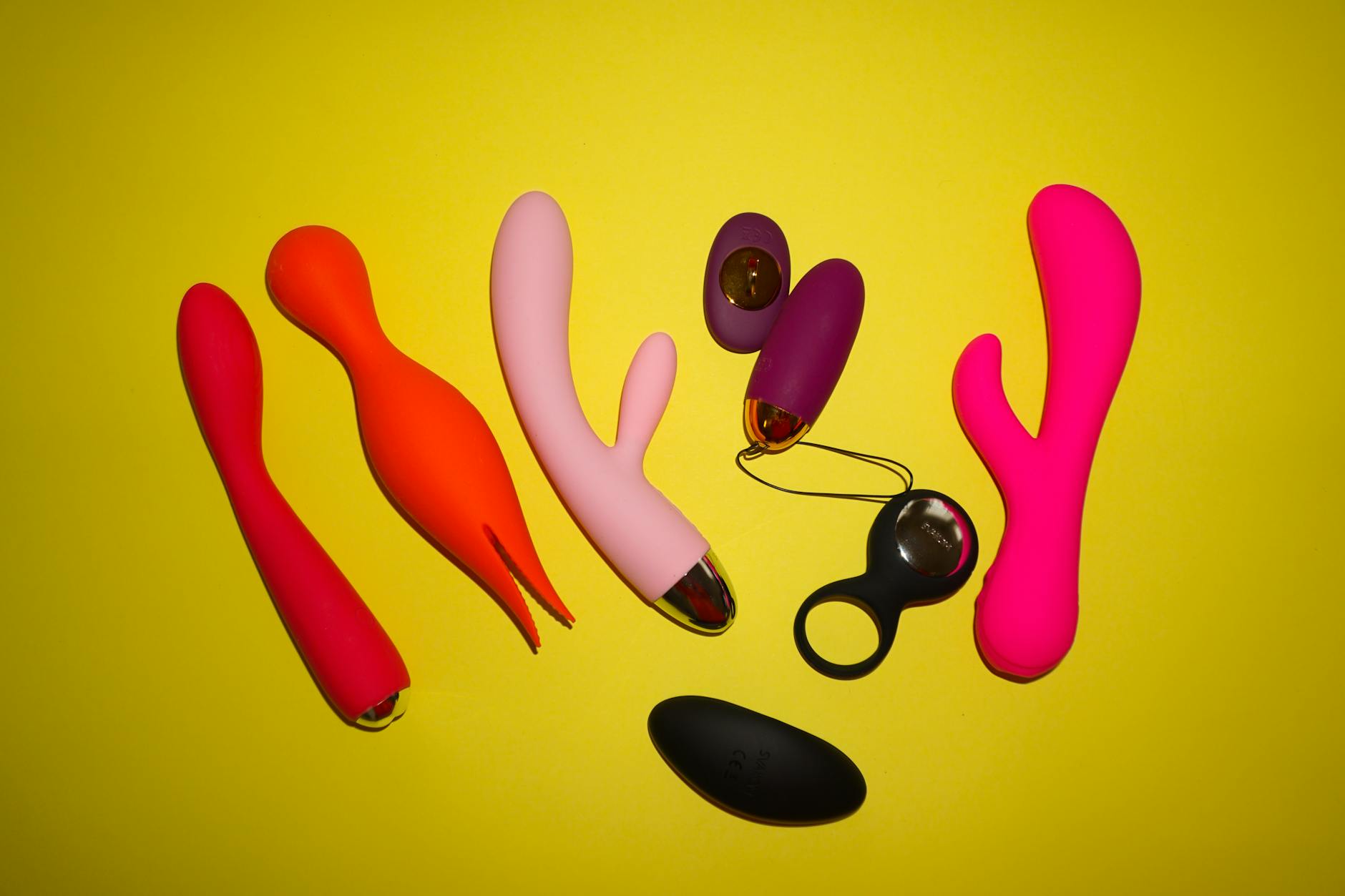
Let's name what's happening
Penetration pain is not a character flaw. It's not something you caused, and it's definitely not something you have to white-knuckle through. Whether the pain is sharp, dull, burning, or that specific kind of crampy discomfort that shows up halfway through, the first thing to know is that your body is giving you information. Listen to it.
Here's what I see most often in my practice. Someone experiences penetration pain. Their instinct is either to push through it (which trains the nervous system to tense up even more next time) or to avoid sex altogether (which creates distance and shame). Both responses make sense. Neither one has to be your only option.
Why penetration might hurt
There are roughly seven major reasons penetration becomes uncomfortable, and they're all worth naming because the fix changes depending on what's actually going on.
Vaginismus or pelvic floor tension. Your pelvic floor muscles involuntarily clench when you anticipate penetration. This is often a learned response. Maybe there was actual pain before, or maybe there was anxiety about pain, or maybe a partner was too rough once. Now your body automatically guards the entrance. The Lem and other clitoral vibrators bypass this problem entirely because they focus stimulation above the vaginal opening.
Vulvodynia or vestibulodynia. Chronic pain in the vulva or the vestibule (the area right around the vaginal opening). This isn't in your head. It's real tissue irritation, and penetration makes it worse. Clitoral focus becomes the main event instead of foreplay.
Hormonal shifts. Low estrogen thins vaginal tissue and reduces natural lubrication. This happens during breastfeeding, after menopause, with certain medications, even with some hormonal birth control. A lemon vibrator works beautifully here because you don't need penetration to have a full, satisfying orgasm.
Scar tissue or adhesions. From surgery, infection, or childbirth. The scar can pull or irritate during penetration. Again, clitoral stimulation becomes the primary path.
Endometriosis or adenomyosis. Deep pain, often worse at certain times of the cycle. Penetration can trigger it. But the clitoris doesn't innervate the same tissues, so clitoral pleasure stays available.
Infection or inflammation. UTIs, yeast infections, bacterial vaginosis, even just irritation from condom latex or lube ingredients. The solution here is usually medical (antibiotics, antifungals, or identifying the irritant), but while you're treating it, a clitoral vibrator keeps pleasure on the table.
Psychological or relational. Sometimes the pain is real, sometimes it's pure protective tension from past trauma or current relationship conflict. Often it's both tangled together. A lemon clitoral vibrator gives you solo pleasure that has nothing to do with a partner's expectations or timing.
What a clitoral vibrator does differently
A vibrator like the Lem works by suction and pulsation, not penetration. The stimulation is external, focused entirely on the clitoral complex. This matters because.
First, you're bypassing the source of pain. If penetration is what hurts, and you're not penetrating, the nervous system can actually relax. That relaxation itself is healing. Over time, your pelvic floor learns that sex doesn't equal threat.
Second, clitoral vibrators create a direct path to orgasm. You're not waiting for arousal to build through penetration. You're not dependent on a partner's timing or depth or angle. The pleasure is immediate and under your control. That agency matters for the nervous system.
Third, they work brilliantly for people whose pain is hormonal. Thinned tissue, dryness, scar tissue. None of that affects the clitoris the way it affects the vaginal canal. You can have a full, intense orgasm without any of those tissues being involved at all.
How to actually use it when penetration hurts
Start with the assumption that this is going to feel different and good, not like a consolation prize.
Warm up without thinking about penetration. Some people lie down. Some sit. Some stand in the shower. Find what feels right to your body in this moment, without any performance agenda.
Use lube. Even if you think you don't need it, use it. Water-based lube makes the experience smoother, reduces friction irritation, and honestly just feels better. It's not an admission that something is wrong with you. It's a tool that makes the whole thing easier.
Start the Lem on a low pattern. The suction and pulse are intense. You're probably not used to that level of direct clitoral stimulation. Pattern 1 or 2 is the right starting point. You can always turn it up. You can't unknow what it feels like turned up too high.
Focus on what you're feeling, not on what you think should happen. Some people come quickly. Some take time. Some have waves of pleasure that don't end in an orgasm and that's completely fine. The goal isn't the finish line. The goal is pleasure without pain.
If your partner is there, they can hold you, kiss your neck, talk to you. Or they can be in another room. Neither is wrong. This is your moment to discover what feels good without anyone else's needs in the equation.
Why this actually helps with penetration later
Here's the plot twist that surprises a lot of people: using a clitoral vibrator for pleasure actually makes penetration less painful over time, if you want penetration again.
Why? Because you're teaching your nervous system that sex is pleasurable and safe. Your pelvic floor relaxes. The fear response quiets down. When you eventually explore penetration again (and only if you want to), your body isn't already braced for pain.
You're also rewiring the equation. If the only time penetration happens is when you're already aroused and relaxed from clitoral pleasure, the whole experience changes. Arousal plumps up the vaginal tissue, increases lubrication, and increases blood flow. Penetration becomes something that follows pleasure instead of replacing it.
Many couples find that adding clitoral stimulation into penetration completely changes the experience. The Lem can be used during penetration. You get the direct clitoral stimulation that your body might not naturally get from penetration alone. Suddenly penetration becomes part of a fuller experience.
When penetration pain means you need a doctor
Please see someone if.
The pain is new and sudden. Especially if it's sharp or accompanied by bleeding or discharge. That's not something to manage with a vibrator. That's something to investigate.
The pain is severe. Like, makes you cry or feel faint. That's your body saying something is genuinely wrong.
You have pain that gets worse instead of better after a few weeks of using a clitoral vibrator and relaxation approaches. Medical solutions exist. Topical creams, physical therapy, sometimes medication. A gynecologist or pelvic floor physical therapist can actually help.
Your pain only happens with certain partners or positions, and it's tied to tension in the relationship. That's relationship work, not vibrator work. Though the vibrator can help you remember that pleasure exists and is possible, which is its own kind of healing.
The relational piece
If you have a partner, this conversation matters: "I'm experiencing pain with penetration. I want to explore other kinds of pleasure together, and I also want to take time to figure this out on my own. Here's what that looks like." Then actually tell them. Show them the Lem if you want to. Ask them what they're worried about. Usually they're worried you're going to leave, or that something is wrong with them, or that you don't want them anymore. None of that is true just because penetration hurts.
Sex without penetration is still sex. Oral, manual, vibrator, toys, frottage, whatever. The clitoris has thousands of nerve endings. You can have the most satisfying orgasms of your life without ever penetrating. That's not a backup plan. That's just pleasure.
FAQ
Can I use a lemon vibrator if I have pelvic floor dysfunction?
Absolutely. In fact, many pelvic floor physical therapists recommend focusing on external clitoral stimulation for exactly this reason. It bypasses the pelvic floor entirely and lets it relax. That relaxation is part of the healing. Just go slowly, use lube, and pay attention to what your body is telling you.
Will using a vibrator instead of penetration make penetration harder later?
No, actually the opposite. Using a vibrator for pleasure teaches your nervous system that sex is safe and pleasurable. That relaxation carries over. Your pelvic floor becomes less defensive. When you're ready to explore penetration again, your body will be more receptive.
What if my partner feels replaced by the vibrator?
This is a conversation, not a silent solution. Try saying something like: "I'm using this to figure out what feels good for my body. It's not about you. It actually helps me relax, which helps us both." Offer to involve them. Or don't. This is about your pleasure and your healing, and that matters more than managing someone else's ego about a sex toy.
How long before penetration stops hurting?
It depends on what's causing the pain. Hormonal issues can improve in weeks with treatment. Pelvic floor tension can take months to truly relax, especially if it's been there for years. Scar tissue or endometriosis might need medical intervention. The good news is you don't have to wait to have pleasure. The Lem works right now.
Can penetration pain be entirely psychological?
Yes. And so what? Psychological pain is real pain. It deserves the same care and attention as physical pain. The difference is that clitoral vibrators, relaxation, and nervous system healing actually address psychological pain. A vibrator is a tool for nervous system regulation as much as it is a source of pleasure.
Is penetration pain a sign my relationship is in trouble?
Not necessarily. Pain can happen in the healthiest relationships. That said, if the pain only shows up with one partner, or if your partner gets defensive or pressures you to push through it, that's worth looking at. Your body doesn't trust what's happening. That's information. Listen to it.