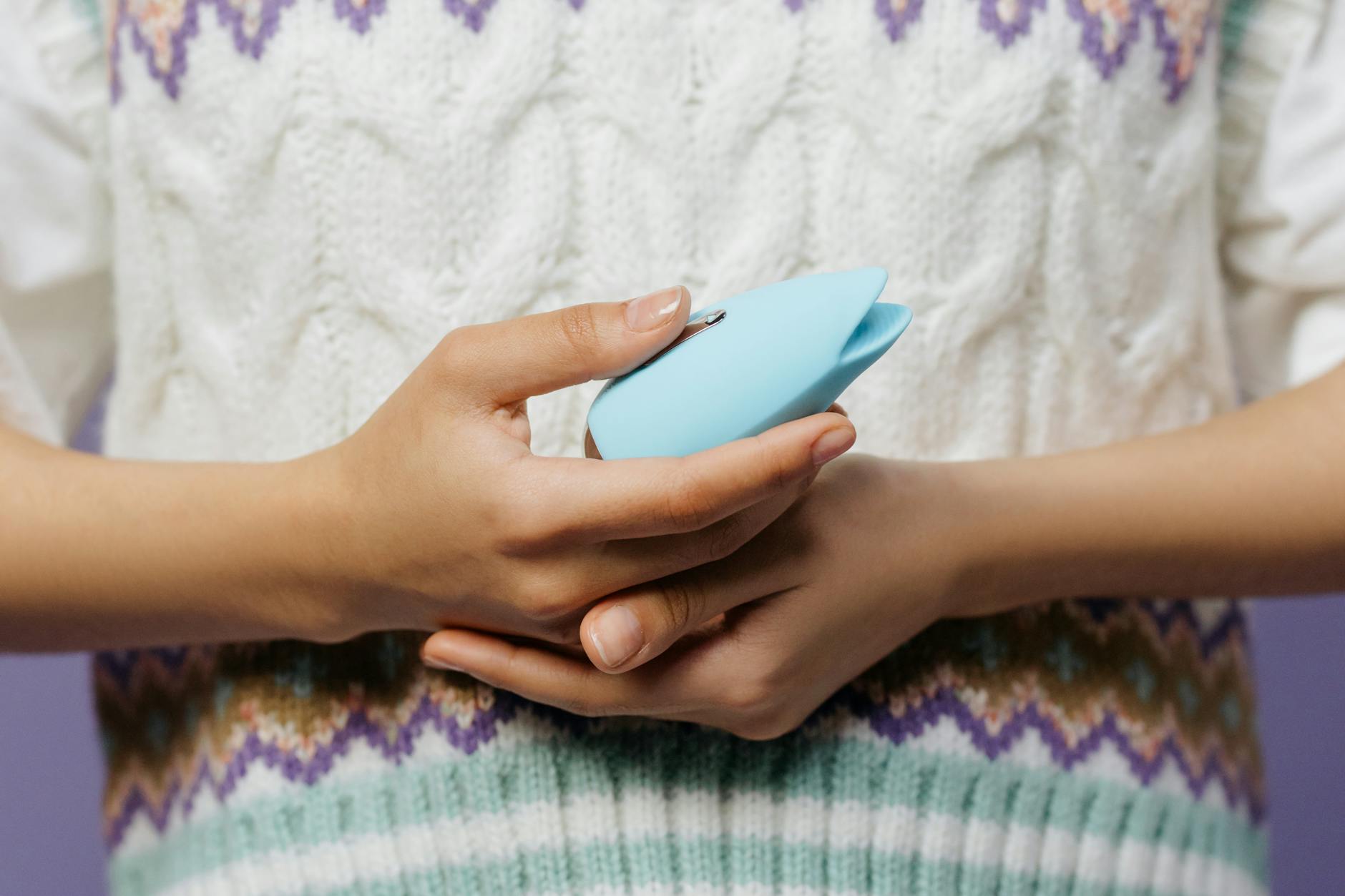
Let's be real about what grief does to your body
Grief doesn't just live in your head. It lives in your nervous system. When you're processing loss, your body goes into a kind of protective shutdown. The things that normally light you up feel flat. Food tastes like nothing. Music feels distant. And sex, or any kind of pleasure, can feel completely foreign.
This is not depression, necessarily. This is your body doing exactly what it's supposed to do when you're grieving. But that doesn't make it less disorienting. Many people describe this numbness as one of the loneliest parts of loss. You feel like you should want things again, but your body won't cooperate.
Why pleasure goes offline during grief
Grief activates your parasympathetic nervous system, but in a specific way. It's not the relaxed parasympathetic state that enables arousal and orgasm. It's the freeze response. Your brain is conserving energy because it's convinced you need all your resources to process what happened. Desire gets rerouted as a non-essential function. This is evolutionarily smart. It's also wildly frustrating when you're ready to feel alive again and your body isn't cooperating.
The second part is emotional. Pleasure often feels like a betrayal when you're grieving. If someone you loved has died, enjoying yourself can feel disloyal. If a relationship ended, arousal might feel like proof that you're over it too fast. Your mind and body are not aligned, and that misalignment makes everything feel numb.
Adding a tool like a lemon vibrator into this process isn't about forcing yourself back to pleasure. It's about gently signaling to your nervous system that it's safe to feel again.
The specific way grief numbness is different
There are different kinds of sensation loss. If you're experiencing numbness from antidepressants or hormonal shifts, that's a different conversation. Grief numbness is different because it's reversible and it exists alongside something else: a part of you that wants to feel again, even if another part doesn't trust that yet.
Grief numbness also has a timeline. It doesn't move in a straight line, but it does move. Some days you feel ready. Some days you feel like you're betraying the person you lost by wanting pleasure. Both of those days are normal. A lemon vibrator can help you navigate that inconsistency because you can use it at your own pace, with no pressure and no external expectation.
How to start when sensation feels completely offline
The mistake people make is trying to jump straight to the intensity that used to work. That approach fails every time. Your nervous system is in a different state. You need to meet it where it is, not where it was.
Start with the lowest patterns on the Lem vibrator. Patterns 1 and 2, using only the outer, less intensive suction. Spend time noticing what sensation you do feel, even if it's just a faint buzz. This is not about chasing an orgasm. This is about waking up your nervous system's ability to register sensation at all. Think of it like the difference between a whisper and a shout. Grief has your body tuned to silence. A whisper is a reasonable starting point.
Many people find that they feel nothing for the first few sessions. That's fine. Your body isn't broken. It's cautious. Keep the sessions short. Five to ten minutes is plenty. Consistency matters more than intensity.
The role of emotional safety in reconnection
One of the reasons a lemon vibrator can be particularly useful during grief is because it's solo. There's no partner. There's no need to perform. There's no pressure to arrive at a specific endpoint like an orgasm. You're in complete control of what happens and when it stops.
If you're partnered, this matters too. Many couples feel pressure to resume sexual activity as a marker that everything is fine. It's not. If you're grieving and you're partnered, using a lemon clitoral vibrator alone might actually be the kindest thing you can do for the relationship. It gives you space to reconnect with your own body without the complexity of another person's needs or timeline.
Emotional safety also means being honest with yourself about what you need. If you're not ready for solo pleasure right now, that's real and valid. A lemon vibrator isn't a shortcut or a reset button. It's a tool for when you're genuinely ready to experiment with sensation again, even if it's tentative.
Timing and the grief cycle
Grief is not linear, and neither is the return of pleasure. You might have a breakthrough moment where sensation suddenly feels accessible again. Then the next day grief hits hard and you're back in numbness. This is normal. Your nervous system is still processing.
Use a lemon vibrator when you feel a small opening. Not when you're forcing it. The difference matters. An opening feels like curiosity, even tiny curiosity. Forcing feels like obligation. Curiosity heals. Obligation deepens numbness.
Many people find that the reopening of pleasure happens gradually over weeks or months. Other people find that a moment of unexpected joy brings everything back at once. There's no right timeline. What matters is that you're not pressuring yourself into a false baseline.
What to do if sensation stays flat
If you've been exploring gently with a lemon vibrator for several weeks and sensation is still completely offline, it's worth checking in with yourself about depression versus grief. Grief numbness usually exists alongside moments of feeling. Depression numbness is more pervasive and flat across all sensations. If you're not sure, a therapist who specializes in grief can help clarify.
It's also worth noting that sometimes your body just needs more time. There's no rush. Your pleasure isn't going anywhere. The capacity to feel sensation will return when your nervous system believes it's safe.
The quiet power of reconnection
Reconnecting with pleasure after loss is not about moving on or leaving grief behind. It's about integrating loss and still being alive. Your body deserves to feel good things. That doesn't mean you've forgotten or that you're disloyal. It means you're honoring yourself as someone who deserves joy, even in the middle of sadness.
When you use a lemon vibrator during grief recovery, you're essentially telling your nervous system: it's safe to feel again. It's a small, private conversation between you and your body. And sometimes that's all you need.
People also ask
Is it normal to feel nothing when using a lemon vibrator during grief?
Completely normal. Grief shuts down arousal pathways in the brain and body. You're not broken. Your nervous system is in protection mode. If you feel nothing for the first few sessions, keep going with low intensity patterns on the Lem. Many people need weeks before sensation starts returning. The fact that you feel nothing is actually valuable information: it tells you where your body is right now.
How long does it usually take to feel pleasure again after a major loss?
There's no standard timeline. Some people regain sensation within weeks. Others take several months. Factors include the nature of the loss, your support system, whether you're in therapy or counseling, and your baseline relationship with pleasure. If you're several months in and sensation is still completely offline while other emotional symptoms are improving, it's worth discussing with a therapist. Sometimes numbness persists and needs additional support.
Can I use a lemon vibrator while grieving if I have a partner?
Absolutely. In fact, solo exploration during grief can be really valuable for your own healing. It gives you space to reconnect with your body without the complexity of another person's expectations or timeline. If you're partnered, you might also have a conversation about what you each need during this season. Some couples find that both partners using toys solo is part of how they navigate grief together.
What if using a lemon vibrator feels like I'm moving on too fast?
That guilt is real and common. Reconnecting with pleasure can feel like a betrayal, especially if someone you love has died. But pleasure and grief can coexist. Using a lemon clitoral vibrator doesn't mean you're forgetting or that the loss doesn't matter. It means you're acknowledging that your body still deserves to feel good things. That's not betrayal. That's resilience.
Should I try patterns or intensity or just stay low?
Stay low and simple for now. Patterns 1 and 2 on the Lem are your friends. Your nervous system needs time to remember that sensation is safe. You can always increase intensity later. Right now, consistency and low-key exploration matter more than sensation intensity.
Is grief numbness the same as medication-related numbness?
Not quite. Grief numbness is your nervous system's protective response, and it usually exists alongside moments of feeling other things. Medication numbness is more pervasive and affects sensation across the board. If you're on antidepressants or other medications and experiencing numbness, that's a separate conversation to have with your doctor. If you're navigating grief-specific numbness, a lemon vibrator used gently and consistently can help signal to your body that sensation is safe again.
If you're navigating grief and you're ready to have a conversation about how to move forward, emotionally and physically, reach out to us. We're here to listen.