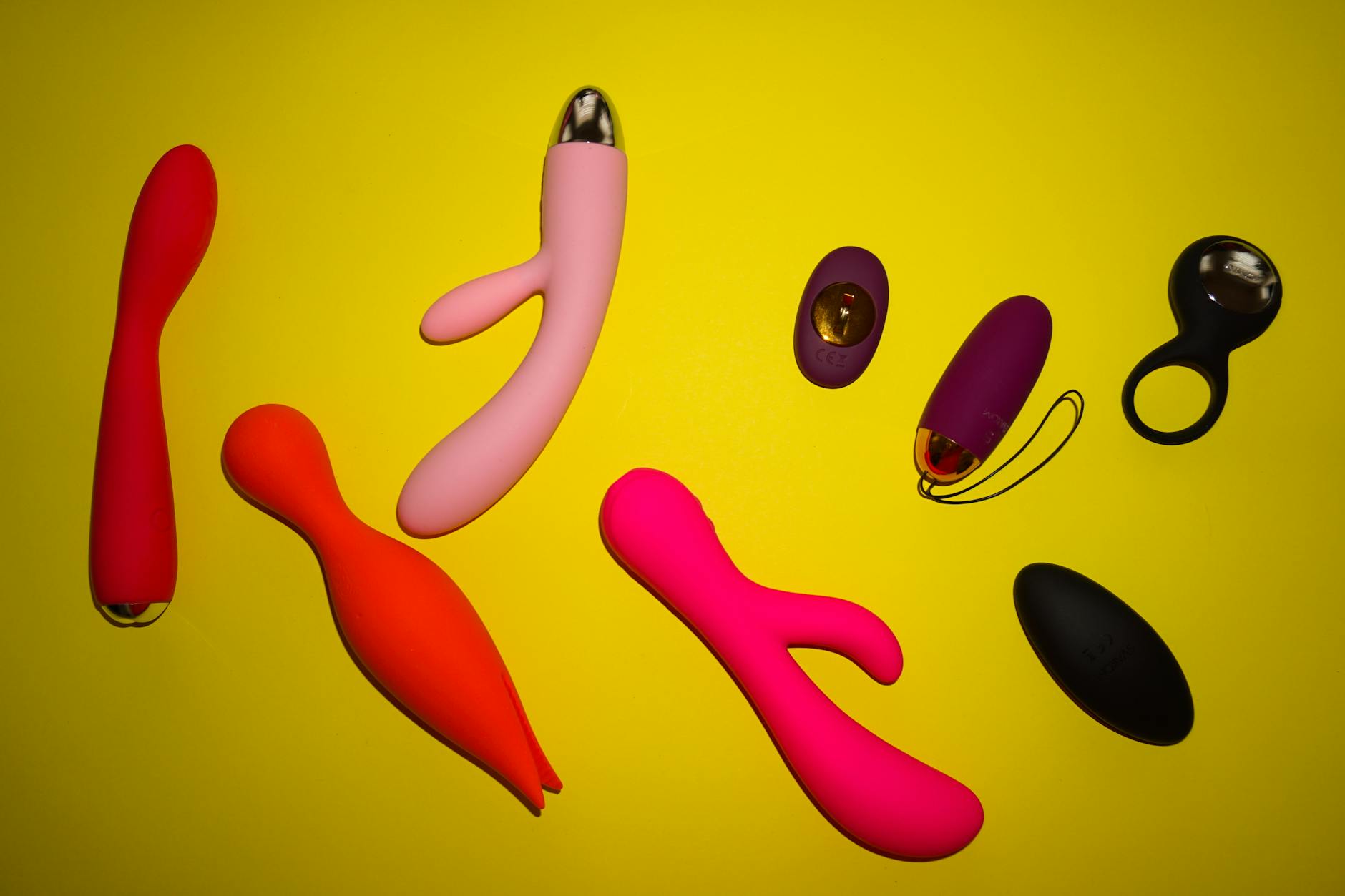
The stress-pleasure disconnect is neurological, not emotional
You're not broken. You're not losing interest in your partner or yourself. What's happening is your nervous system has done exactly what it's designed to do: it's shifted into protection mode.
Chronic stress activates your sympathetic nervous system (fight, flight, freeze). When you live there for weeks or months, your body deprioritizes anything non-essential to survival. Pleasure is the first thing to go. Sensation dulls. Arousal takes longer, or doesn't arrive at all. Even when you're touched in ways that used to feel amazing, you feel almost nothing.
This isn't rare. In my practice, I see it constantly in high-demand jobs, caregiving situations, financial strain, relationship conflict, and major life transitions. The body knows what it's doing. Now we need to teach it that it's safe to feel again.
Why stress numbs sensation specifically
Three systems are involved.
Blood flow redirects. Under stress, your sympathetic nervous system pulls blood away from your extremities and genitals toward your core muscles (to run or fight). Less blood flow to the clitoris means less sensation, less engorgement, less everything.
Your brain gets offline. The prefrontal cortex (the thinking, feeling, pleasure-processing part of your brain) literally dims under sustained stress. The amygdala (threat detector) takes over. You're scanning for danger, not processing pleasure.
Cortisol and adrenaline crowd out arousal hormones. Dopamine and norepinephrine (the chemicals that drive desire) get suppressed when cortisol is high. Your brain is saying: don't waste energy on sex, there's a threat.
None of this is your fault. But it does explain why willpower doesn't work. You can't think your way back into pleasure when your nervous system is still in protection mode.
The role of touch when you're touched out
Here's where most advice goes sideways. People tell stressed, burned-out partners to "spend more time together" or "schedule intimacy." Sometimes that makes it worse. When you're depleted, another person's touch can feel like one more demand on your already-emptied nervous system.
This is where solo pleasure matters, and why a lemon clitoral vibrator specifically can be a bridge back.
Unlike a partner's touch, a vibrator is:
- Predictable. No surprise pressure or rhythm changes.
- Non-relational. No performance expectation, no one else's pleasure to consider.
- Precisely targeted. Air-suction vibrators like the Lem stimulate the clitoris without broad pressure.
- Controllable. You choose speed, duration, when to stop.
When your nervous system is in shutdown, this kind of solitary, controlled stimulation can gently signal safety back to your body without triggering the "one more thing" response.
Starting the rewiring process
If pleasure feels completely numb right now, don't expect instant sensation. You're retraining your nervous system. This takes patience.
Step 1: Stress first, pleasure second. Before you touch yourself or your lemon vibrator, you need to address the actual stress. A vibrator isn't a cure for burnout. If you're working 70-hour weeks or in a painful relationship, a toy won't fix that. Deal with the source if you can. Take a week off. Set a boundary. Talk to someone. Lower the actual load on your system. Only then does the nervous system have bandwidth to feel pleasure again.
Step 2: Start with sensation, not orgasm. The goal is not to come. The goal is to notice that you can feel something. Use the Lem on its lowest setting. Spend 5 to 10 minutes just exploring how different intensities feel against different parts of your vulva. No pressure to respond. No finish line.
Step 3: Do this alone. Not because partnered pleasure is bad. Because right now, your nervous system needs zero pressure. Being alone removes the unconscious performance anxiety that keeps you stuck in sympathetic mode.
Step 4: Build slowly. Maybe week one is just 5 minutes on the lowest setting. Week two, you add 5 more minutes or try a slightly higher setting. The point is gradual. You're reawakening sensation that's been dormant, not forcing it.
What you might feel (and what you might not)
In the first few sessions, don't expect an orgasm. You might feel:
- A light tingle or vibration (that's the sensation returning).
- Numbness in some areas and feeling in others (normal, nerve endings rewake unevenly).
- Frustration (also normal, don't fight it).
- Sleepiness or emotional release (your nervous system is shifting, this happens).
What you won't feel is pressure to perform. That's the whole point.
Some people report that their first orgasm back after burnout is mild or feels delayed. That's okay. Your body is learning that it's safe to respond again. The intensity and speed will usually follow as stress decreases.
The conversation with your partner (if you have one)
If you're partnered, your partner might feel rejected or hurt when you say "I need to explore this alone right now." That's a real conversation to have, and it's not simple.
Frame it clearly: "This isn't about you. My nervous system is overwhelmed. Right now, the gentlest way for me to feel pleasure again is on my own timeline, with no external pressure. This actually helps us. When I'm less numb, intimacy with you will be better." Most partners understand when it's framed as recovery, not rejection.
If they don't, that's separate work. But in my experience, partners respect the honesty and the science here.
When to seek actual help
If stress-related numbness persists for more than two to three months even after you've reduced the stress, talk to a doctor. Sometimes burnout-induced anhedonia (inability to feel pleasure) is a sign of depression that needs clinical attention. That's not a failure. It's information.
Similarly, if you notice numbness only during partnered sex but feel fine alone, the issue might be relational, not neurological. That's worth exploring with a therapist.
The bigger picture
Using a lemon vibrator when pleasure feels numb isn't about quick fixes. It's about giving your body permission to feel again without pressure, judgment, or performance. It's about separating the pleasure rewiring from the stress reduction (which you need to do anyway). And it's about trusting that sensation can return when your nervous system feels safe.
Your body hasn't forgotten how to feel. It's protecting itself. A lemon clitoral vibrator, used with patience and without pressure, can help signal that protection isn't needed anymore.
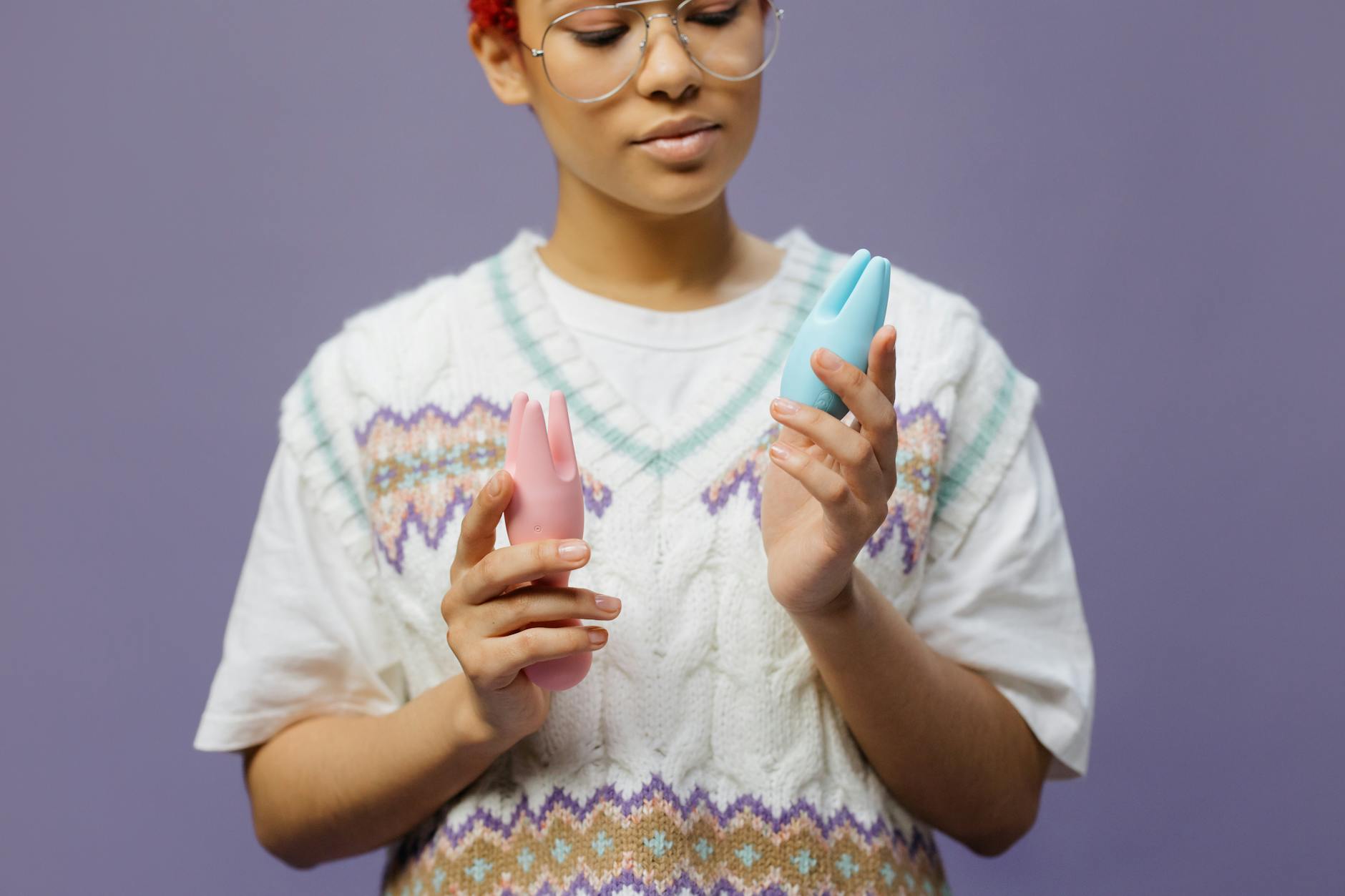
Photo by cottonbro studio on Pexels
Common questions about pleasure recovery after burnout
How long does it usually take to feel pleasure again after burnout?
It depends on how deep the burnout is and how much the stress is still active. If you're still in the stressful situation, rewiring pleasure is slower because your nervous system isn't getting the "all clear" signal. If you've reduced the stress, most people notice some sensation returning within two to four weeks of gentle, pressure-free exploration. Orgasm usually follows a few weeks later. But this isn't linear. Some weeks feel like progress, others feel flat. That's normal.
Can a lemon vibrator help if I'm on antidepressants that numb sensation?
This is different from stress-induced numbness. Antidepressants (particularly SSRIs) can genuinely reduce sexual sensation and orgasm ability in about 40 to 60 percent of users. A lemon clitoral vibrator can help because the direct, precise stimulation sometimes overcomes the medication's blunting effect. But talk to your doctor first. Sometimes adjusting the dose or timing helps. Sometimes switching medications is better. The vibrator is a tool, not a solution for medication-related numbness, but many people find it genuinely helpful alongside medical adjustment.
Is it okay to use a lemon vibrator if my partner wants to be involved in pleasure recovery?
Absolutely. Some couples do solo rewiring for a few weeks, then integrate it back together. Others use the vibrator during partnered sex from the start. The key is communication. Tell your partner: "I'm using this to help my nervous system feel safe again. I want to rebuild sensation on my own first, then we'll explore together." Or: "I'd love for you to be present while I explore this alone." Both approaches work. The version that works is the one you both agree on.
What if I feel guilty using a vibrator alone when my partner is available?
That guilt is real, and it's also not serving you. Your partner benefits when you're less numb and burned out. Solo pleasure isn't cheating. It's self-care. It's nervous system recovery. Frame it that way internally and with them. If guilt persists, it might point to a deeper relational issue worth exploring. But the vibrator itself isn't the problem.
Can stress-induced numbness lead to permanent damage?
No. Your nervous system is plastic. It rewires. Sensation returns. There's no permanent damage from stress-related numbness unless there's an underlying medical condition (hormonal disorder, nerve damage, etc.). The numbness is your body's intelligent response, not a breakdown. Treat the stress, give your nervous system time and safety, and feeling comes back.
Should I use the lemon vibrator on a higher setting to "push through" the numbness?
No. Higher intensity when your nervous system is shut down can actually entrench the numbness because you're not giving your system a chance to relax and respond. Think of it like waking someone very gently versus shaking them. The gentle approach gets cooperation. The aggressive approach triggers more shutdown. Start low, stay patient, build from there. Slower is actually faster in this context.
Moving forward
If pleasure feels numb right now, you're not broken. You're experiencing a predictable, reversible nervous system response to chronic stress. A lemon vibrator can be part of the path back, but it works best alongside actual stress reduction. Address the source of the burnout, give yourself permission to explore solo pleasure without pressure, and trust that sensation returns when your body feels safe again. It always does.
If you're struggling with this process or if the numbness isn't lifting after consistent effort, reach out. There's no shame in getting support. Contact us to explore what might help next.