Let's name what's actually happened
You've been together for years. Sex used to happen. Then it didn't. Not because you fell out of love. Not because the relationship died. Just because life got in the way, and neither of you knew how to get it back without it feeling awkward or forced.
That's the most common pattern I see in long-term couples. And here's what matters: it's not a sign of failure. It's a signal that something needs to change in how you're approaching intimacy.
Why desire disappears (and why it's not your fault)
Long-term couples don't lose desire because they're broken or bored. They lose it because the conditions that used to support it have shifted. Work stress, parenting, money worry, health changes, resentment that never got named. Desire needs three things: safety, novelty, and permission. When those three things erode, sex becomes just another obligation.
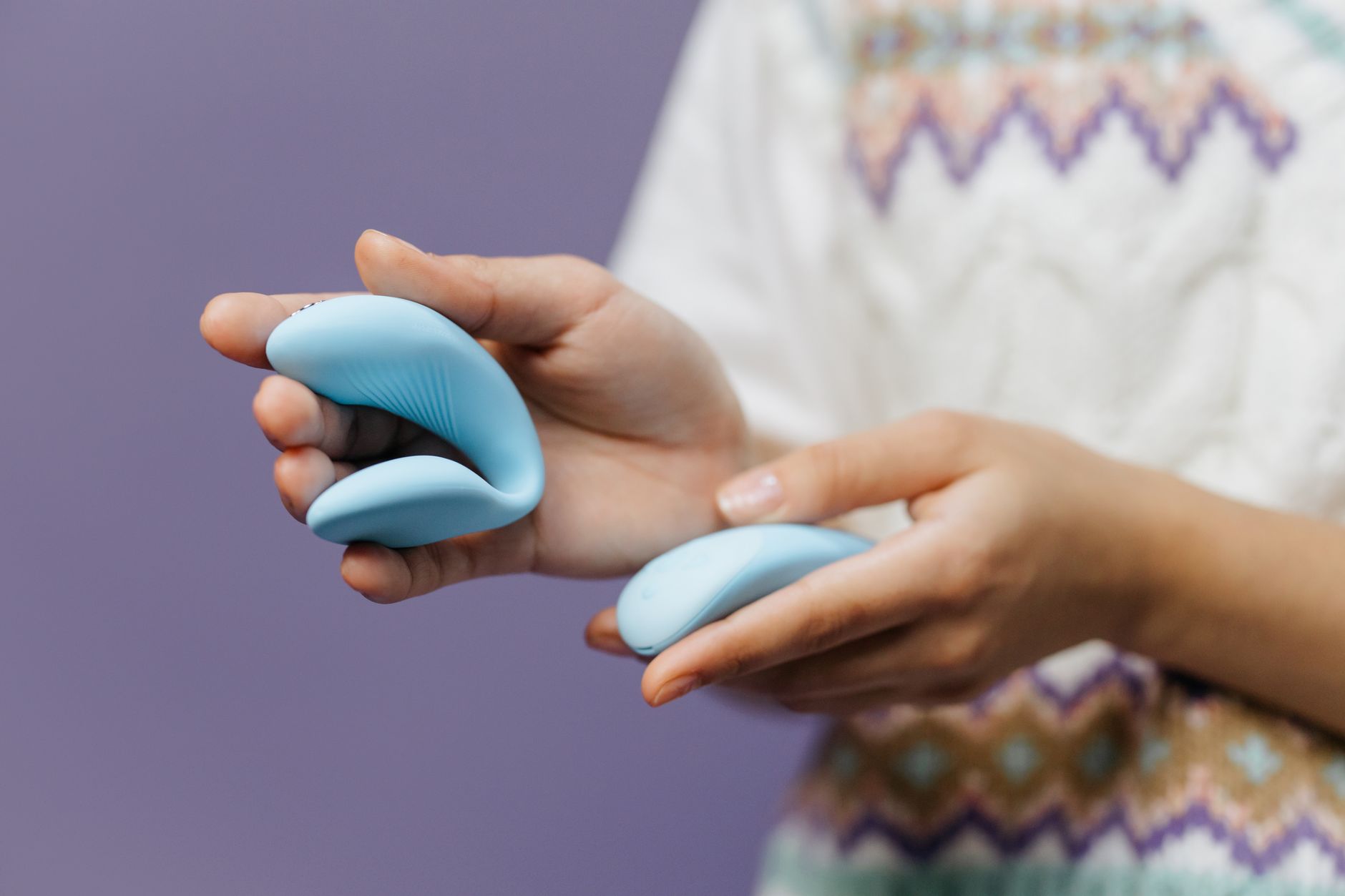
Most couples I work with are shocked when I tell them that introducing a tool like a lemon clitoral vibrator isn't about "fixing" anything. It's about creating permission. Permission to try something different. Permission to focus on pleasure instead of performance. Permission to say "we're rebuilding this together."
That permission shift changes everything.
The conversation you need to have first
Don't introduce a lemon vibrator without talking about what you're actually rebuilding. This sounds like: "I miss us. I miss feeling connected to you that way. I don't think it's your fault or my fault. I think we've just fallen into a pattern, and I want to try something different."
Not: "We need to spice things up." Not: "I'm bored." Not: "Other couples are having more sex."
The goal is to separate the conversation from shame. You're not saying the relationship is broken. You're saying you both want something different, and you're willing to take a risk to get it.
Then ask: "Would you be open to exploring this together?" If they say no, that's data. It might mean they're scared, they're grieving the loss of spontaneity, or they're dealing with something else entirely. Those are separate conversations, not reasons to stop trying.
How to introduce the lemon vibrator without it feeling like a stunt
Timing matters here. Don't hand them a lemon clitoral vibrator and expect magic. Instead, think of it as part of a series of small permission shifts.
Start by talking about what pleasure actually means to you both now. What used to work might not work anymore. Bodies change. Stress changes how you respond. Hormones shift. All of that is normal and workable, but only if you're willing to be curious about it.
When you do introduce the vibrator, frame it this way: "I got something I want to try together. No pressure. We can try it once and never mention it again, or it becomes part of our routine. Either way is fine."
Then actually mean it. If it feels awkward the first time, it probably will. That's not failure. That's normal.
Where a lemon vibrator actually helps rebuild desire
A lemon vibrator (or any clitoral vibrator) does something specific: it bypasses the performance pressure that kills desire in long-term couples. Here's why that matters.
After years of low or no sex, the anxiety kicks in. "Will I be able to orgasm? Will they judge me if I can't? Will this feel weird?" That anxiety is a desire killer. A clitoral vibrator removes the "do I have to climax with them watching" weight from the equation. It gives you a tool that works, consistently, without judgment.
For partners who've been rejected or who've rejected sex for a long time, it also reframes the activity. Instead of "we're failing at sex," it becomes "we're exploring something new together." That's a psychological shift, but it's a real one.
The actual framework for using it together
First, build back safety. That might mean scheduling time specifically for this (not romantic, but real). It might mean starting with just the vibrator and no pressure to have penetrative sex. Some couples find that a lemon vibrator used solo first by one partner, then together, works better than jumping straight in.
Second, talk about sensation. What feels good? What's too intense? What rhythm works? These seem like basic questions, but most long-term couples have stopped asking them. You get to ask again.
Third, let pleasure be the goal, not orgasm. This is huge. Orgasm is a fine bonus, but if you're rebuilding desire, the real win is reconnection. It's touching each other. It's laughing when something feels weird. It's saying "oh, that's actually nice" and meaning it.
Desire in long-term relationships isn't dead. It's just waiting for permission to come back.
What to do if it doesn't work the first time
Okay, so you both agreed to try, and it felt awkward. Or one of you felt exposed. Or nothing happened. This is not a reason to give up.
Desire rebuilding is not a weekend project. It's a 4-8 week conversation where you're learning each other again. Some of that will involve a lemon vibrator. Some of it might be just talking in bed about what you miss. Some of it might be realizing you need to address a deeper resentment first.
If the vibrator itself isn't working, ask why. Is the intensity wrong? The timing? The context? Are you still feeling too much pressure? Is there something unresolved between you that's actually the real block?
Those are all different problems with different solutions. A vibrator can't fix relationship issues. But it can create the container where you're willing to look at them.
When you might need more support
If you've tried multiple times and desire still hasn't returned, or if one partner is completely unwilling to engage, that's when couples therapy becomes important. I don't say that to scare you. I say it because you both deserve to understand what's actually going on.
Sometimes desire disappears because of depression, medication changes, or undiagnosed health stuff. Sometimes it's because you've stopped treating your partner like someone you're attracted to. Sometimes it's because one person has checked out of the relationship and doesn't know how to say it. All of those deserve real attention.
A lemon vibrator or any clitoral vibrator is a great tool for couples who want to rebuild. It's not a substitute for dealing with the actual relationship stuff.
The thing nobody tells you
Here's what I've seen happen repeatedly: couples who rebuild desire together report that their sex life afterward is often better than it was before it disappeared. Not because of the vibrator specifically, but because they've had to be intentional about it. They've had to talk about what they actually want. They've had to get curious about each other again.
That intentionality is sexy. That curiosity is sexy. The vibrator just gives you a starting point to practice both.
FAQ: Rebuilding Desire in Long-Term Relationships
Will using a vibrator make us dependent on it for sex?
No. Using a lemon clitoral vibrator is like learning to cook with a new technique. Once you know the technique, you can use it sometimes, or not at all, depending on what you want that night. Most couples find that the vibrator helps them reconnect, then becomes part of the rotation, not the whole thing.
What if my partner thinks a vibrator means I'm not attracted to them anymore?
That's a real fear, and it deserves direct conversation. Frame it this way: "I'm more attracted to you now because I'm remembering what pleasure feels like with you." A vibrator isn't a statement about what's wrong with them. It's a tool for rebuilding what's right between you.
How long does it usually take to rebuild desire?
Anywhere from 4 weeks to 6 months, depending on how long it's been gone and what else is going on. Some couples find that desire shifts back quickly once they give themselves permission to try. Others need time to work through trust or resentment first. Both are normal.
Should I talk to my partner about it before or after buying one?
Before. Always before. Surprising your partner with a lemon vibrator can feel triggering if you haven't already established that you both want to try something new. The conversation is the real gift, not the toy.
What if we use the vibrator and it's still awkward?
Awkwardness is completely normal the first time (and sometimes the second or third time). If it stays awkward after repeated attempts, it might mean you need to address something else first. That could be a deeper relationship issue, communication breakdown, or just needing more time to feel safe.
Can we use a lemon vibrator without it becoming a whole thing?
Yes. Some couples integrate them into sex the same way they'd use hands or other touch. It doesn't have to be a scheduled event or a big conversation every time. You might use it sometimes because it feels good, the same way you'd use lube or change positions.
What comes next
Rebuild starts with honesty. "I miss us. I want to try something different. I'm scared it won't work, but I think it's worth trying." From there, everything else is just permission and curiosity.
The vibrator is just the tool. The real work is deciding together that your connection matters enough to show up for. If you're both willing to do that, desire comes back. It always does.