
Let's start with what actually changes
Hormonal birth control is wildly effective at preventing pregnancy, but it's also a systemic intervention in your body's neurotransmitter soup. Coming off it doesn't just flip a switch. Your dopamine, serotonin, and testosterone levels have been chemically suppressed or redirected for months or years. When you stop taking it, your brain and body need time to recalibrate. That recalibration window is when desire, arousal speed, and orgasm intensity feel off.Here's the thing nobody tells you: this is temporary, but it's also real.
What hormonal birth control does to pleasure
Hormonal contraceptives work by suppressing ovulation, which means they also suppress the natural fluctuations of testosterone and estrogen that drive desire throughout your cycle. Many people don't connect low libido to the pill until they come off it and suddenly feel like themselves again. Others come off it and feel worse before they feel better.
The medication can also lower dopamine, the neurotransmitter most connected to motivation and pleasure. If you've been on hormonal birth control for years, your baseline for sexual interest might have drifted so far down you didn't even notice it was missing. You assumed that's just how you are. It's not.
Arousability also changes. Some people on hormonal contraceptives report it takes longer to get turned on. Others say arousal feels dampened, like they're watching pleasure happen to someone else rather than feeling it themselves. Orgasms, when they happen, can feel flatter or less intense. All of that is neurochemistry, not a personal failing.
The recovery timeline is not linear
Your body didn't get to hormonal stability overnight when you started birth control, and it won't get there overnight when you stop. Most people notice the biggest shifts in the first three months off hormonal contraception. But full recalibration can take six to twelve months, depending on how long you were on it and how sensitive your system is to hormonal change.
Weeks one to four: You might feel nothing different, or you might feel a surge of energy and libido that feels almost manic. Both are normal. Your body is releasing the chemical suppressors it's been managing for years.
Weeks four to twelve: This is when the real work starts. Your cycle begins to regulate. Dopamine climbs. But it's not linear. You might have a week of wild desire followed by a week of nothing. That's your endocrine system finding its rhythm again.
Month four onward: The noise settles. Most people report that by month six, they feel like themselves again. Desire feels present. Arousal doesn't require an act of will. Orgasms feel fuller.
But everyone's timeline is different. If you were on birth control for a decade, your recovery might look different from someone who took it for two years. Be patient with your body.
Why a lemon vibrator helps during the transition
A clitoral vibrator like the Lem does several specific things that help your body relearn pleasure when your neurochemistry is recalibrating.
First, it bypasses the arousal requirement. If your brain is foggy on dopamine and your arousal feels absent, a vibrator creates sensation that doesn't depend on whether you "feel in the mood." You don't have to wait for desire to show up. The sensation is there, external, doing the work. Over time, external stimulation can help rewire your pleasure response and remind your brain what sensation feels like.
Second, air-suction vibrators like a lemon sexual toy work through nerve activation rather than direct pressure. Your clitoris has eight thousand nerve endings. After months of hormonal suppression, those nerves need waking up. Suction stimulates them without the intensity that can feel overwhelming if your system is still settling. You can control the pressure and intensity, which means you're not fighting against something that's too much.
Third, a vibrator removes the performance pressure. If you're using it alone, you don't have to worry about your partner wondering why this is taking longer or feeling different. You're not managing someone else's experience while also trying to reconnect with your own body. That alone reduces anxiety, which clears the way for actual pleasure.
Last, the consistency matters. Your body learns through repetition. Using a clitoral vibrator regularly, even when you don't feel particularly aroused, trains your brain to associate stimulation with pleasure again. You're literally rewiring your dopamine response.
How to use a lemon vibrator during hormonal recovery
Start with lower settings and longer sessions. Your nervous system is adjusting. Intensity isn't the goal right now. Reconnection is.
Use it three to four times a week, ideally at times when you're already relaxed. Not before bed when you're tired, but maybe after work when your body has some energy. Let yourself build a small ritual around it. Light a candle, turn off your phone, give yourself permission to just feel without any outcome requirement.
Don't judge the experience. You might not orgasm. You might feel numb for the first week and then suddenly feel everything on week two. Both are fine. Your job is to show up and let your body remember what sensation is. The pleasure will follow.
If you're with a partner, this is worth talking about ahead of time. Let them know you're using a clitoral vibrator as part of reconnecting with your body after coming off birth control. This isn't about them or your attraction to them. It's about your neurochemistry recalibrating. Some partners want to participate. Some want to know it's happening and then give you space. Both are fine. The key is that you're not hiding it or feeling ashamed about it.
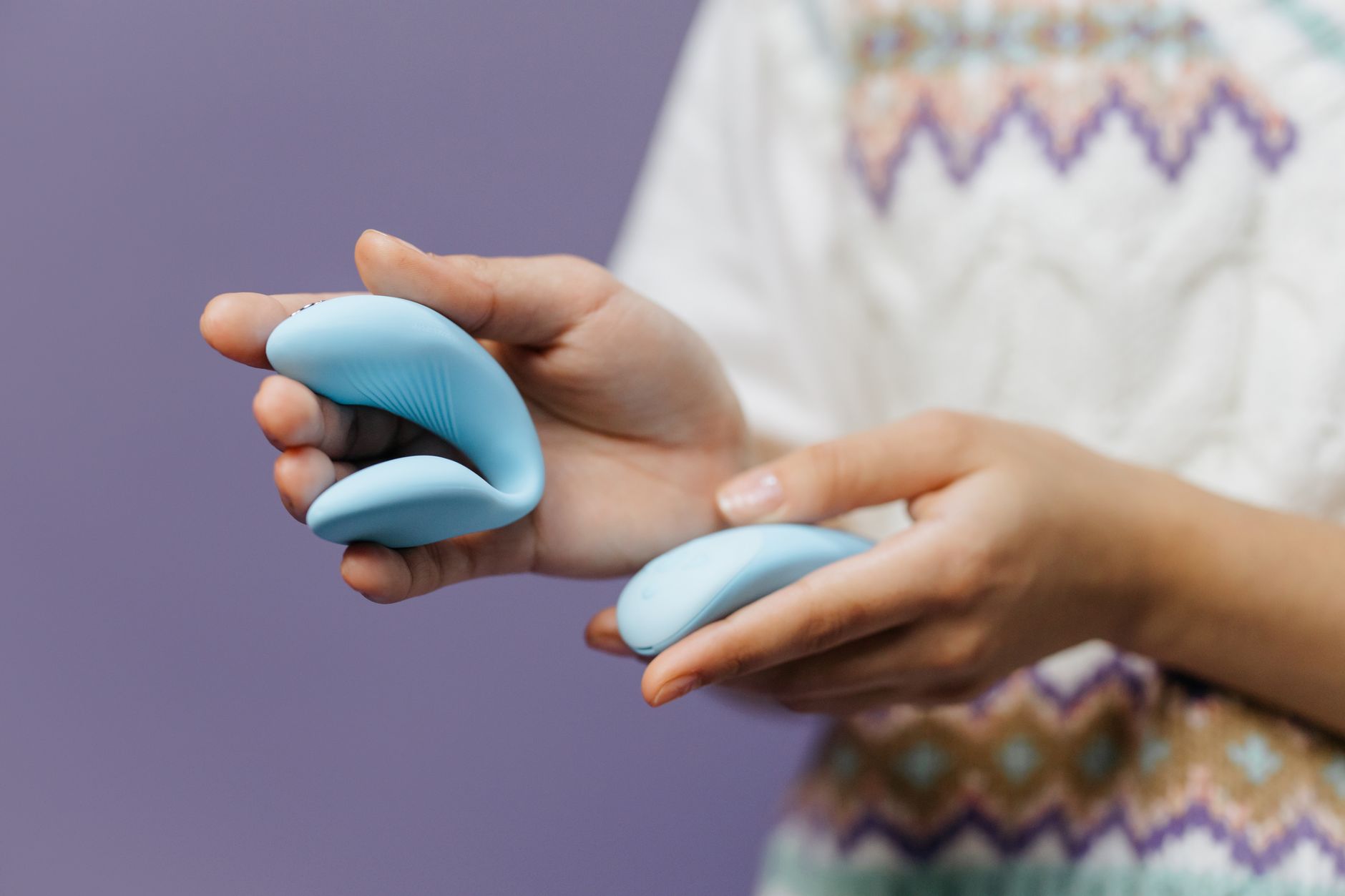
Photo by cottonbro studio on Pexels
What to expect as you recover
Dopamine is the first thing to bounce back. You'll notice your mood lifting and your general motivation returning. Libido follows a little later. Arousal speed is usually the last piece to click back into place, but it does.
Some people report that when their body fully recovers from hormonal birth control, their pleasure is actually better than it was before. They have more sensation awareness, deeper orgasms, and more varied desire throughout their cycle. That's because they're no longer chemically suppressed. They're back to their baseline.
Others come off birth control and realize they never actually wanted as much sex as they thought they did. The hormones were suppressing their true baseline, but their true baseline was lower than their partner's expectations or their own internalized pressure suggested. That information is valuable. Now you know what your authentic desire looks like, instead of a chemically mediated version.
When to check in with a doctor
If three months have passed and you feel no change, talk to a GP or gynecologist. Sometimes hormonal recovery takes longer, especially if you were on birth control for a long time or started it as a teenager. But sometimes there's an underlying condition (low thyroid, iron deficiency, hormonal imbalance) that birth control was masking. Testing can help clarify what's actually going on.
If mood crashes come with the libido changes, that's also worth discussing with a professional. Coming off hormonal birth control can trigger depression in some people, especially those with a history of it. You don't have to white-knuckle through that. There are solutions.
If pleasure remains completely absent after six months, or if you're experiencing pain, don't wait. Your body is giving you information. Get professional support in interpreting it.
FAQ
How long does it take for libido to return after stopping hormonal birth control?
Most people notice the biggest shifts in the first three months, with fuller recovery by six to twelve months. Every person's timeline is different depending on how long they were on the medication and their individual physiology. Patience with your body during this time is essential.
Can a clitoral vibrator help if I feel completely numb after coming off the pill?
Yes. A lemon clitoral vibrator provides external stimulation that doesn't depend on your arousal levels. The consistent sensation can help rewire your pleasure response and remind your nervous system what stimulation feels like while your body recalibrates.
Is it normal to feel worse before feeling better when stopping hormonal birth control?
Completely normal. Your body is adjusting to new hormone levels. Mood fluctuations, temporary changes in desire, and arousal shifts are all part of the recalibration process. If symptoms feel severe or persist beyond three months, check in with a doctor.
Should I use a lemon vibrator alone or with my partner during this recovery time?
Both work. Using it alone lets you focus on reconnecting with your own body without performance pressure. Using it with a partner can help them understand what feels good to you during this transition and rebuild intimate connection together. Talk about it first.
Why does air-suction stimulation work better than traditional vibration when hormones are still settling?
Air-suction activates your clitoral nerves through pressure and release rather than direct friction. This gentler approach doesn't overwhelm a nervous system that's already recalibrating. You can control intensity and find what feels right for your specific recovery stage.
What if I'm not feeling any changes after a month of using a clitoral vibrator?
One month is still early in hormonal recovery. Your body might need more time. Keep a simple log of what you notice (mood, energy, arousal) to track subtle changes you might otherwise miss. If nothing shifts after three months, a conversation with your doctor can help rule out other factors.
Your body is doing important work
Coming off hormonal birth control is a legitimate life transition, not something to push through or minimize. Your pleasure matters. Your authentic desire matters. A lemon vibrator isn't a cure, but it's a tool that helps your body reconnect with sensation while your neurochemistry finds its way home.
If you want to talk through what's happening in your body or your relationship during this shift, we're here. Reach out at contact.