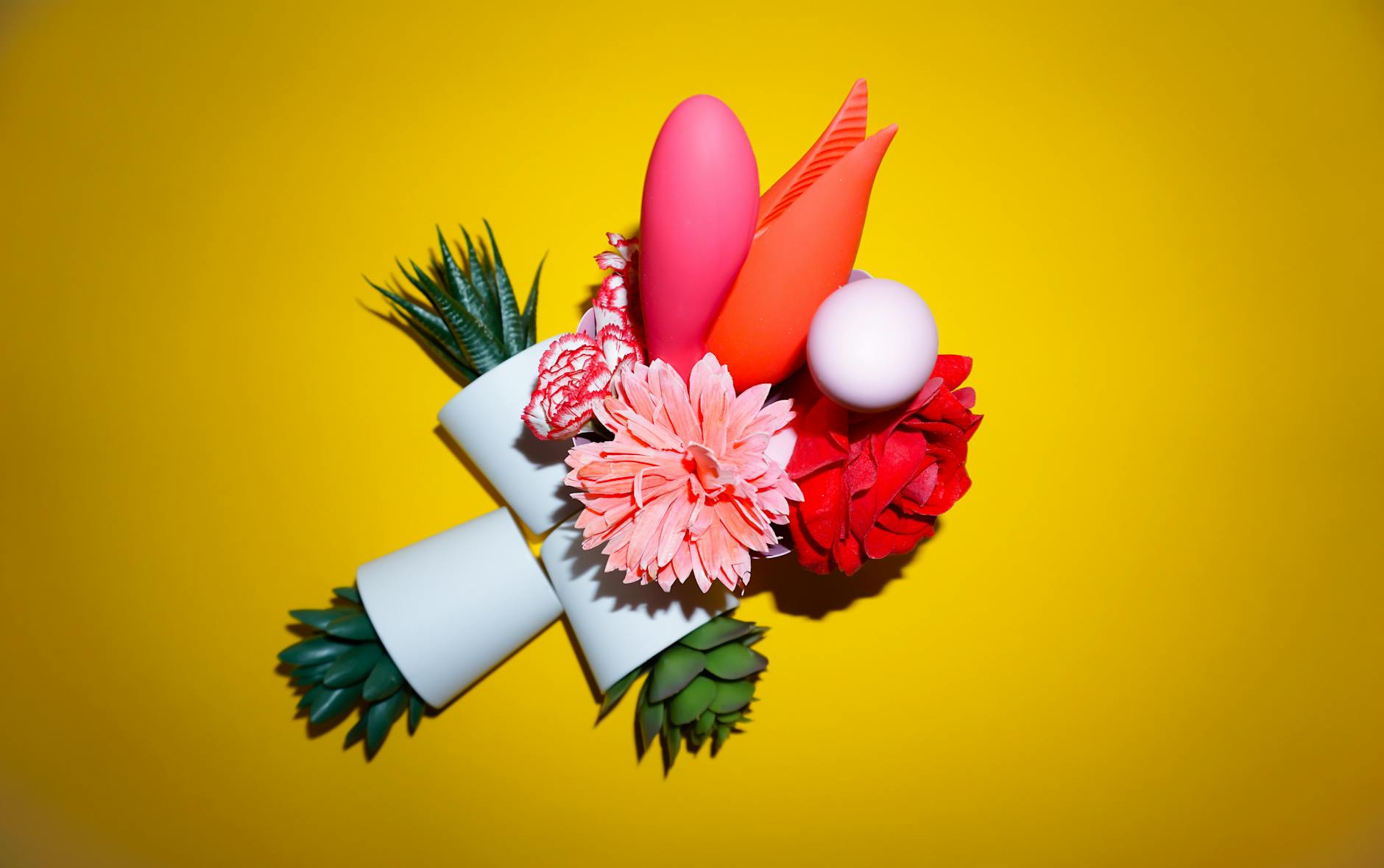
Let's be real about post-surgical intimacy
Surgery is not sexy. Recovery is not sexy. And the gap between "cleared for light activity" and "ready to feel like yourself again" can feel endless. Most medical guidance stops at "wait six weeks" or "avoid penetration until cleared." Then it leaves you and your partner stranded, unsure what's actually possible in the meantime.
Here's what I've learned working with couples navigating post-surgical recovery: intimacy doesn't have to be postponed entirely. But it does need to be reimagined. A lemon vibrator, used thoughtfully, can be part of that reclamation. Not as a replacement for patience, but as a tool that lets you explore sensation and connection on your body's actual timeline, not on a calendar.
Why surgery changes the pleasure conversation
Surgery disrupts three things at once: your physical sensation, your relationship to your own body, and often your confidence about what's safe. You're healing from trauma (yes, surgery is trauma, even planned surgery). Your nervous system is vigilant. Pain pathways are rewiring. And emotionally, you're grieving the temporary loss of something that mattered to you.
That's not something a vibrator fixes. But it's the context where a tool like the Lem can actually help.
Clitoral stimulation, when approved by your surgeon, offers something valuable during recovery: localized sensation without pressure on surgical sites. If your surgery involved abdominal work, pelvic floor healing, or any genital area, clitoral touch is often the first kind of sexual sensation that's safe to explore. It doesn't require penetration. It doesn't stress healing tissue. And it activates the same pleasure pathways that surgery temporarily quieted.
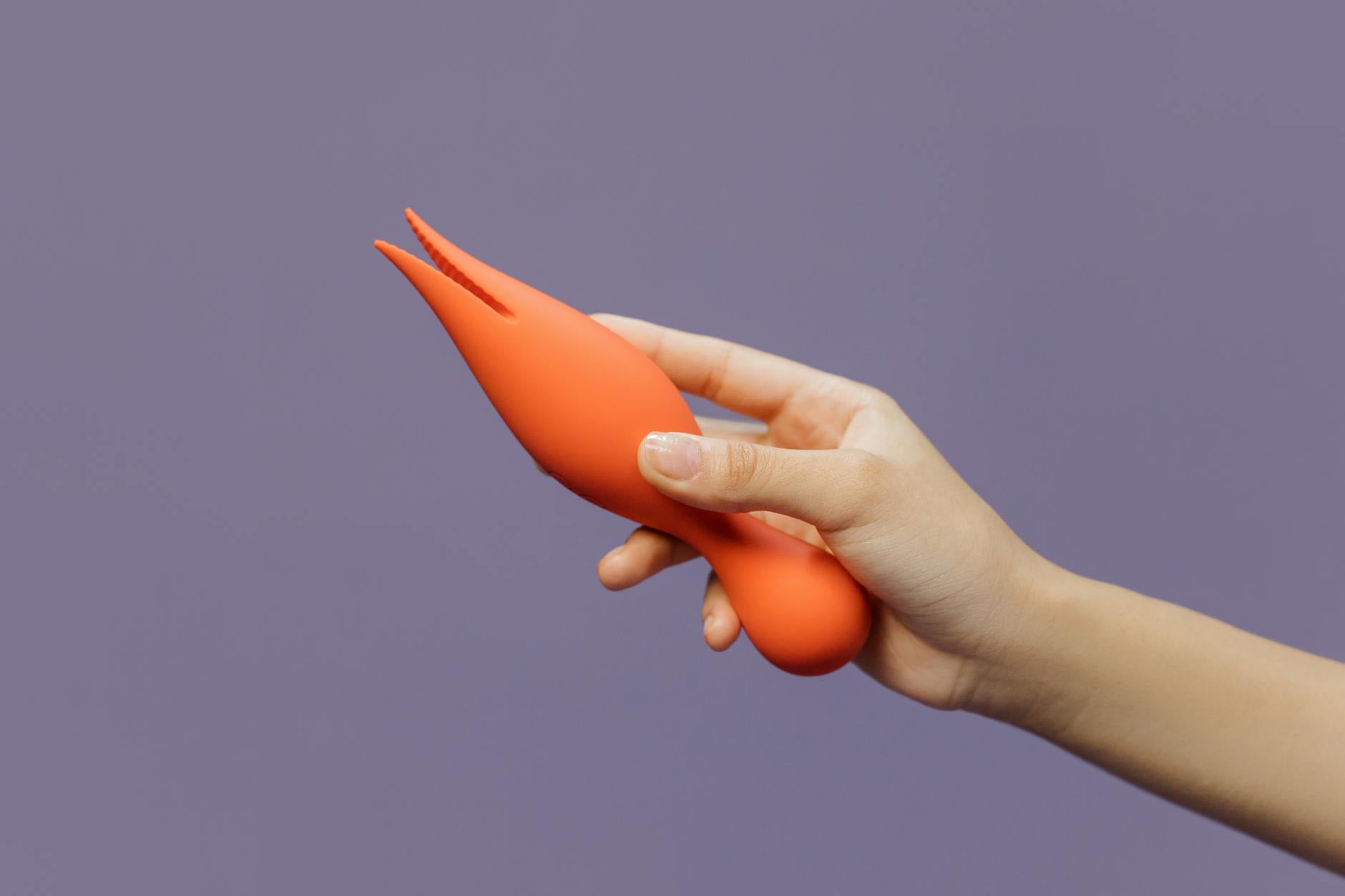
Photo by cottonbro studio on Pexels
Getting your surgeon's actual approval
Don't ask "When can I have sex?" Ask "When can I begin gentle clitoral stimulation?" Those are different questions with different timelines.
Here's what to clarify with your surgical team:
- Is the clitoral area away from your surgical site? If you had abdominal or pelvic surgery, the clit may be in a completely separate healing zone.
- What does "no penetration" actually mean for your recovery type? Cesarean sections, hysterectomies, and pelvic floor surgeries have different restrictions.
- Is there a reason you couldn't explore external clitoral sensation once internal swelling subsides (usually 2-4 weeks in, not 6 weeks)?
- What sensations should you actively avoid? Pressure, direct contact, vibration, suction.
Surgeons are often vague because they assume you won't ask. Ask. Write the answers down.
The sensory reality of post-surgical pleasure
Even when you're cleared for it, sensation will feel off. Your body has been through shock. Anesthesia, inflammation, medication, pain management all flatten sensory awareness. You might feel numb, hypersensitive, or weirdly disconnected from touch that used to feel amazing.
This is temporary and completely normal. But it means you need to approach sensation differently than you did before surgery.
Start absurdly low-key. The Lem's lowest pattern is gentler than you think. Begin at pattern 1 or 2, not out of fear, but because your nervous system literally can't process higher intensity right now. You're retraining signal pathways that surgery disrupted.
Expect it to feel strange. Not bad, but unfamiliar. Your body may not recognize the sensation as pleasure at first. That's okay. The goal isn't orgasm or intensity. The goal is "I can feel something pleasant again."
Use a lemon clitoral vibrator, not penetrative toys. The suction mechanism on the Lem creates sensation without direct friction. That's especially useful post-surgery because it doesn't require you to hold pressure or clench anything. Your pelvic floor is already stressed.
Timing matters more than urgency
Many people want to rush back to their pre-surgery sex life because reclaiming pleasure feels like reclaiming normalcy. Understandable. But pushing too hard too fast can actually extend recovery and damage the healing you've done.
Here's a realistic phased approach:
Weeks 2-4 (if cleared): Solo exploration, external only, lowest settings, 5-10 minutes maximum. This is about noticing sensation and building confidence, not chasing orgasm.
Weeks 4-6: You can stay at this phase longer if it feels right. Explore what patterns feel okay. Notice where sensation is strong and where it's still muted. There's no rush.
Weeks 6+: Once cleared for "normal activity," you can increase duration and intensity. But know that your body might still feel off. That's not a failure. Keep checking in with yourself.
Months 2-3: Most people report that pleasure starts feeling genuinely familiar again around this window. But everyone heals differently.
If at any point something hurts, stop. Your body is the authority, not the timeline.
The partner conversation, simplified
If you have a partner, this is the part that often gets complicated. They might feel rejected, scared about hurting you, or uncertain what they're allowed to do. You might feel disconnected or worried about their patience.
Here's what helps: separate the medical conversation from the emotional one.
Medical: "My surgeon says I can explore external clitoral sensation. It helps me feel like myself again. I want to try using the Lem for 10 minutes a few times a week."
Emotional: "I miss closeness with you. This isn't instead of us. It's me rebuilding my body so I can feel present with you again."
Those are the two truths. They're not in conflict. Partners often need to hear both.
If your partner wants to be involved, they can hold you, kiss you, or just be present in the room. Some couples find that intimate and supportive. Others prefer solo time. Both are fine. The point is intention, not obligation.
What actual sensations tell you
As you start exploring, notice what happens. This is data. Your body is teaching you something about your recovery.
Sharp pain? Stop immediately. Not soreness or pressure, but actual sharp pain. That's a stop sign.
Numbness? Expected. Keep exploring gently. Sensation usually returns.
Tingling or pins-and-needles? Also normal post-surgery. Nerves rewiring. If it's not painful, you can continue.
Arousal building, then disappearing? Very common. Your nervous system gets overwhelmed after surgery. Short sessions help. Come back tomorrow.
Sensation feeling distant or unpleasant? This might be psychological (anxiety about healing) or physical (inflammation still present). Check in with yourself. Is there fear underneath? Address that. If it's physical, give it more time.
The goal is information, not performance.
Mental recovery is part of the timeline
People often focus only on the physical healing and miss the psychological part. Surgery changes your relationship to your body, sometimes dramatically. You might feel violated, disconnected, afraid of pain, or mourning the loss of your "normal" body.
Your pleasure isn't separate from that grief. It's tangled up in it.
Using a lemon clitoral vibrator isn't about pushing through that. It's about having a gentle re-entry point. A way to say, "This part of me still works. I can feel something good. I'm still here."
Some people find that profoundly healing. Others need more time. Both are okay. There's no deadline for pleasure.
If anxiety or disconnection is intense, talk to a therapist, not just your surgeon. Recovery is physical and emotional.
The permission you're actually looking for
Most people in post-surgical recovery are waiting for someone to tell them it's okay to feel good again. The medical team says "medically cleared." Your partner says "whenever you're ready." But internally, you're still unsure.
Let me be clear: it's okay to want pleasure during recovery. It's okay to use tools that help you feel present in your body again. It's okay to take time. It's okay to go slowly. It's okay to start and stop. It's okay to feel weird about it.
Recovery isn't linear, and your pleasure doesn't have to be either. The Lem is just a tool that meets you where you are, not where you think you should be.
FAQ: Post-surgical recovery and pleasure
How soon after surgery can I use a lemon vibrator?
That depends entirely on your surgery type and your surgeon's approval. Abdominal surgery might allow external clitoral stimulation at 2-3 weeks. Gynecological surgery might need 4-6 weeks. Always get explicit clearance, not general "no sex" guidance. Ask specifically about external clitoral stimulation.
Will using a vibrator delay my healing?
No, if you're cleared for it and you use it gently. In fact, research shows that sexual pleasure (when medically safe) can support healing by reducing stress and promoting blood flow. The key is starting low and respecting pain signals. Pleasure and healing aren't enemies.
What if sensation feels completely numb?
That's extremely common post-surgery. Anesthesia, swelling, and medication all suppress sensation. Usually it returns gradually over weeks to months. You can still explore at low intensities to gradually wake that area up, but don't force it. If numbness persists beyond 3-4 months, mention it to your surgeon.
Can my partner help, or should it be solo?
Both work. Some people find partner involvement supportive and emotionally reconnecting. Others need solo time to feel in control of their body again. There's no right answer. Do what feels safe and connected, not what you think you should do.
What if I get scared during recovery and want to stop?
Stop. Your nervous system might override pleasure with panic, especially early in recovery. That's not failure. That's your body asking for more time. Come back in a few days. Recovery isn't linear.
Is it normal for arousal to feel different after surgery?
Completely normal. Pleasure is about the whole nervous system, not just one body part. Surgery activates your threat response. Your brain is protecting you. As healing progresses, arousal usually feels more familiar. Be patient with the weirdness.
When should I tell my partner I want to explore pleasure again?
Soon, directly, and before you start. Not "I think I'm ready for sex" but "I want to start exploring sensation again in a gentle way, and here's what that looks like." Clarity prevents anxiety for both of you.
Recovery is a conversation between you and your body, not something that happens to you. A lemon vibrator can be part of that conversation, but only when it feels right. There's no deadline. Your pleasure is worth the wait.