The reality nobody warns you about
You started birth control. Suddenly your body doesn't respond the way it used to. Maybe arousal takes longer. Maybe sensation feels muted. Maybe orgasms are stronger, or harder to reach, or both. You're not broken. Your hormones are genuinely different now, and that matters for pleasure.
Here's what I see in my practice: people assume these shifts are permanent or inevitable. They're neither. They're adaptations. And with the right tools—like a lemon sucker or lemon clitoral vibrator—you can recalibrate how your body responds.
Why birth control changes sensation
Hormonal contraceptives work by suppressing or altering your natural hormone cycle. Depending on the method (pill, patch, shot, IUD), you're either lowering estrogen, adding progestin, or creating a steady hormonal state instead of your body's usual rhythm. All three affect pleasure.
Estrogen influences vaginal lubrication, clitoral sensitivity, and blood flow to genital tissue. Progestin can dampen desire in some people and enhance it in others. The steadier hormone levels mean your arousal doesn't spike and dip the way it did before, which some people experience as flatness—particularly in the first three months.
This is not your imagination. Clinical studies show that hormonal birth control can reduce genital sensation in some users and slightly delay orgasm onset. The change isn't huge, but it's measurable. More importantly, it's real, and acknowledging it is the first step to working with it instead of against it.
The three most common shifts you might notice
Arousal takes longer to build. Your old warm-up time doesn't work anymore. What took five minutes now takes fifteen. This is because steady progestin levels suppress some of the dopamine surge that signals "yes, this feels good." Your body isn't less interested—it's just starting from a different baseline.
Sensation feels less intense. The clitoris is extremely sensitive to estrogen. Lower estrogen levels (which many hormonal contraceptives provide) can make direct stimulation feel less pronounced. Paradoxically, some people report that sensation increases on certain pills or patches. The variation depends on the specific formulation you're using.
Orgasms might shift in timing or intensity. Some people find orgasms easier to reach once they adjust. Others notice they arrive less readily. About 20 percent of people on hormonal birth control report some change in orgasm quality in the first six months. Most adapt. Some switch methods and find their pleasure pattern returns.
How a lemon vibrator actually helps
A lemon clitoral vibrator—specifically something like Nancy's Lemons Lem vibrator—uses air-suction technology, not direct vibration. This matters when your sensation has shifted.
Direct vibration relies on your nervous system responding to mechanical frequency. If your sensation is duller right now, you might find yourself pushing harder or using higher speeds, which can numb you further. Air-suction works differently. It creates a gentle seal and pulse that feels less like vibration and more like attention. It stimulates without requiring the same intensity of sensation to register.
Translation: a lemon sucker-style toy often feels more effective during the first three months of hormonal adjustment than a traditional vibrator would. It's gentler on tissue that might feel raw from pressing harder, and the sensation pattern bypasses some of the dopamine dulling that progestin creates.
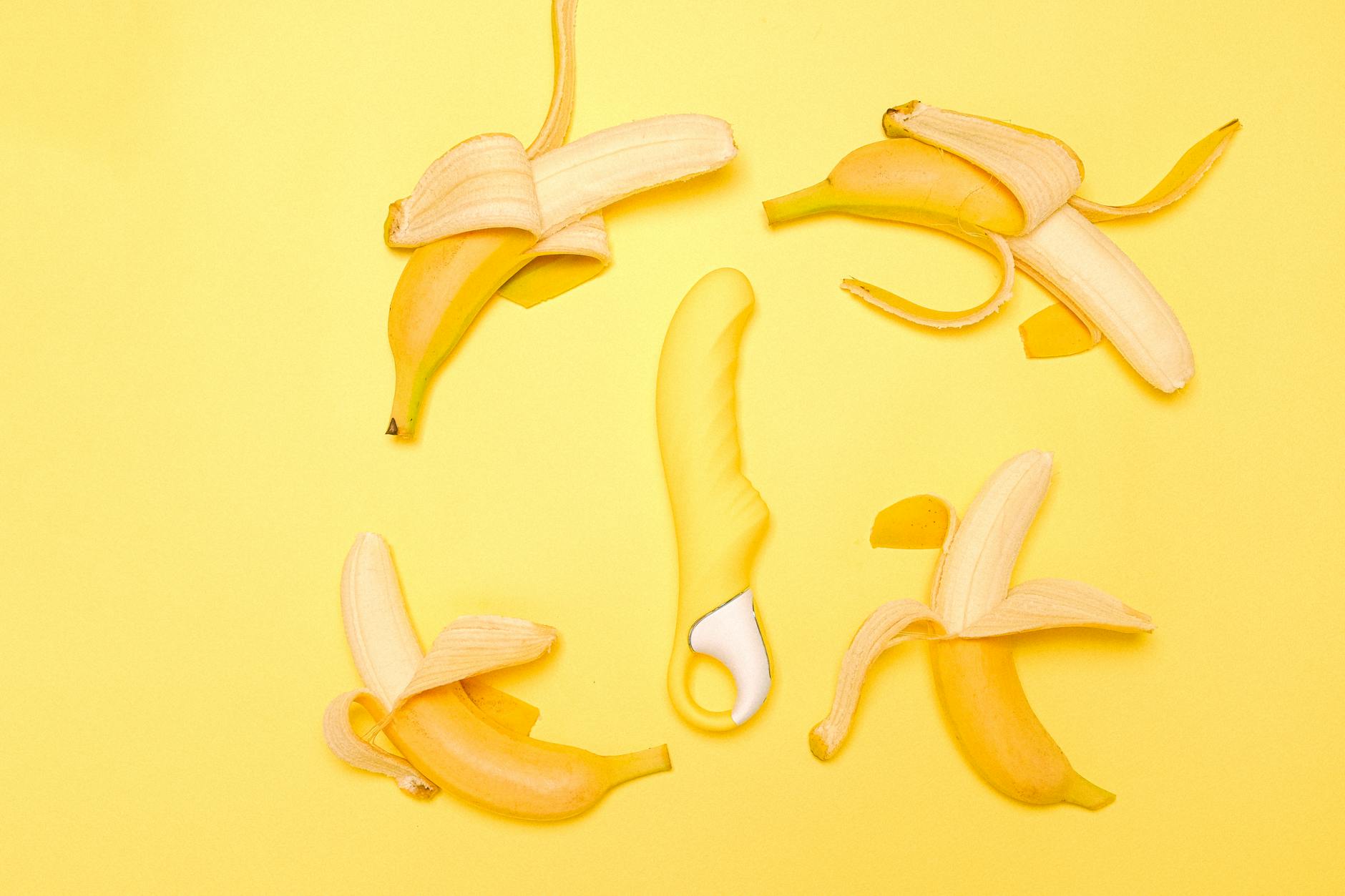
Photo by Anna Shvets on Pexels
Practical adjustments to make right now
Start at pattern one. If you're used to jumping to pattern three or four, dial it back. Your nervous system is responding differently. Lower intensity often feels more pleasurable right now because you're not fighting dampened sensation. You're working with your actual baseline instead of your old one.
Budget more time. Literally set an expectation of fifteen to twenty minutes instead of eight. This removes the frustration of "why is this taking so long?" If pleasure arrives faster, that's a bonus. If it takes the full twenty, you've already mentally cleared the space for it.
Use lube even if you don't usually. Hormonal shifts affect vaginal moisture production. Water-based lube adds comfort and reduces the irritation that comes from pressing too hard or using a toy dry. Comfort is pleasure. Don't skip this.
Separate solo exploration from partnered sex. When you're alone, you can learn your new baseline without pressure. Solo sessions with a lemon clitoral vibrator when your arousal takes longer to build are genuinely valuable right now. You're not training your body to need intense sensation. You're discovering what actually feels good at this new hormone level.
When the shift might be permanent
Three months is the standard timeline for your body to settle into a new hormonal state. After three months, if sensation still feels dampened and it bothers you, it's time to have a conversation with your doctor.
Some birth control methods suppress sensation in a small percentage of users, and that doesn't improve. If that's you, switching to a different contraceptive (different pill, patch instead of pill, copper IUD instead of hormonal) often restores your baseline. This isn't rare. Roughly 15 percent of people switch contraceptive methods because pleasure shifted, and most of them find their sensation returns.
Don't assume you're stuck with the first method forever. Your body's response is real data. Use it.
What builds desire back
Desire is not the same as sensation, but they're linked. When sensation feels off, desire often dips too because your brain isn't getting the reward signal it's used to. Three things help rebuild that loop:
Solo pleasure first. A lemon vibrator for solo pleasure gives your brain the chance to remember that pleasure is still available, even if it feels different. This is not selfish. This is recalibration.
Explicit conversation with a partner. "My body is adjusting to birth control and sensation feels different" is a useful thing to say out loud. It removes the pressure of performing like your old self. It also makes space for your partner to adjust. Many people panic when their partner's response changes, assuming it's about attraction. It's not. It's biology.
Patience that actually has a timeline. "I'll give myself three months" feels less open-ended than "I don't know when this will feel normal again." Most people find their pleasure patterns stabilize by month four or five.
When to consider switching
If after three months your sensation hasn't returned and it's affecting your quality of life, bring it up with your gynecologist or prescriber. You have options. You might shift to a lower-dose pill, a different hormonal formulation, or a non-hormonal method like a copper IUD. Some people find that their pleasure bounces back immediately with a different contraceptive. Others realize they prefer a non-hormonal method entirely.
Your comfort and pleasure matter in the calculus of which birth control to use. Full stop. Don't let cost or convenience override your actual experience.
FAQ
Does every birth control method affect sensation?
No. About 30 percent of people on hormonal contraceptives notice some change in arousal or sensation in the first three months. The rest don't notice anything. The variation depends on the specific formulation, your baseline sensitivity, and individual hormone metabolism. Copper IUDs and barrier methods don't affect sensation at all.
Will my sensation come back if I stay on the same birth control?
Most likely yes. Your body typically adjusts to a new hormonal state within three to four months. If it's been longer and sensation still feels off, switching methods is worth exploring with your doctor rather than assuming it will improve on its own.
Can a lemon clitoral vibrator help if I'm already numb?
Yes, but with the understanding that it's working with your current sensation, not against it. Air-suction toys like a lemon sucker require less intense sensation to register than traditional vibrators. If you've been using high-intensity toys and feeling nothing, switching to lower intensity with a different toy design often helps.
Does the type of birth control matter for sensation changes?
Yes. Progestin-only methods (the mini-pill, implant, shot) are more likely to affect desire than combination pills. Low-dose estrogen pills have a smaller impact than standard-dose pills. Copper IUDs have zero hormonal impact. Your specific method matters.
Should I stop birth control if it's affecting my pleasure?
That's a conversation for you and your doctor, weighing both the contraceptive benefit and your quality of life. But switching methods isn't all-or-nothing. You have options before quitting entirely. Many people find a method that protects them and feels good.
How long does it take to adapt to sensation changes?
Three to five months is typical. Some people adjust faster. Some notice changes persisting longer. If you're six months in and sensation still feels significantly different, that's when switching methods is worth discussing rather than waiting for further adaptation.
The bottom line
Birth control changed how your body responds. That's real, and it's not a flaw. A lemon vibrator, slower warm-up time, and patience give your body space to find its new baseline. And if after three months something still feels wrong, you have the power to change it. Your pleasure matters. Your comfort in your own body matters. Choose a contraceptive method that honors both.
If you want support thinking through options or conversations with a partner, reach out to Nancy's Lemons or work with a sex-positive therapist in your area. You're not alone in this shift, and you don't have to figure it out by yourself.