
When medication changes the picture
Let's be real: medication can shift everything about how pleasure feels. SSRIs, blood pressure drugs, antihistamines, hormonal treatments, even some pain medications rewire sensation in ways nobody warns you about during that three-second consultation. You're not broken. Your body isn't punishing you. Your nervous system is processing chemicals differently now, and that changes the wiring between touch and pleasure.
The good news? Reconnecting is possible. And sometimes a tool designed specifically for sensitivity, like a lemon vibrator, becomes the bridge that gets you back there.
Here's what you need to know about navigating this transition with intention.
How medication affects sensation
Different classes of drugs do different things. SSRI antidepressants and SNRIs can flatten arousal signals from your brain to your body. Some blood pressure meds reduce blood flow to the genitals, which means arousal takes longer to build. Antihistamines dry tissue and dull nerve sensitivity. Hormonal IUDs can numb clitoral response. Some cancer treatments cause peripheral neuropathy, a kind of static in the nerve signals that would normally trigger pleasure.
What's happening isn't imagination. It's neurochemistry. Your brain's neurotransmitters (dopamine, serotonin, oxytocin) are the actual infrastructure of desire and sensation. When medication changes those levels, the whole chain of physical response shifts.
The tricky part is timing. Sometimes your body adapts within weeks. Sometimes it takes months. And sometimes you need to talk to your doctor about switching medications or adjusting doses, because what works for your mood shouldn't come at the cost of your sexual wellbeing.
Why clitoral vibrators work differently when sensation shifts
Here's the thing about toys like the Lem and other lemon clitoral vibrators: they're designed to work with the clitoral nerve network, not against it. The clitoris has about 8,000 nerve endings, all living in an area about the size of a fingernail. A good clitoral vibrator doesn't rely on friction or pressure. It creates stimulation through precision vibration patterns that can reach nerves even when sensation feels muted.
When medication has dulled your response, a clitoral vibrator gives you access to patterns and intensities your hand or a partner can't match. A lemon sucker or air-suction device like the Lem works particularly well because it doesn't require direct friction on sensitive tissue. The suction mimics a sensation your body recognizes as pleasure, and you can control both the intensity and the pattern, which means you're not fighting against sensation that feels wrong.
This is especially useful if your medication has made sensation feel sharp or uncomfortable instead of dull. Suction-based tools let you adjust on the fly without switching positions or stopping entirely.
The practical starting point
First step: you're not starting from zero. You still have the capacity for pleasure. Medication has just changed the path to getting there.
Here's how to begin:
Start with external play only. Skip internal stimulation for now. The clitoris is your primary tool for reconnection, and it's far more direct.
Budget time differently. If arousal used to build in five minutes and now it takes twenty, that's not a failure. That's just the new timeline. Protect that time. No phone, no distractions, no pressure to "perform."
Use water-based lube even if you don't think you need it. Many medications reduce natural lubrication. More importantly, lube creates a buffer between the toy and your skin, which can help if sensation feels hypersensitive or numb.
Start at the lowest setting. If your clitoral vibrator has intensity levels (most do), begin at level one or two. You can always turn it up. You can't undo sensation that felt too intense.
Explore without expectation of orgasm. This is critical. The goal right now isn't to come. It's to notice what feels good, what feels okay, what feels wrong. Disconnect pleasure from orgasm temporarily. That mental shift alone often unlocks sensation that performance pressure had locked down.
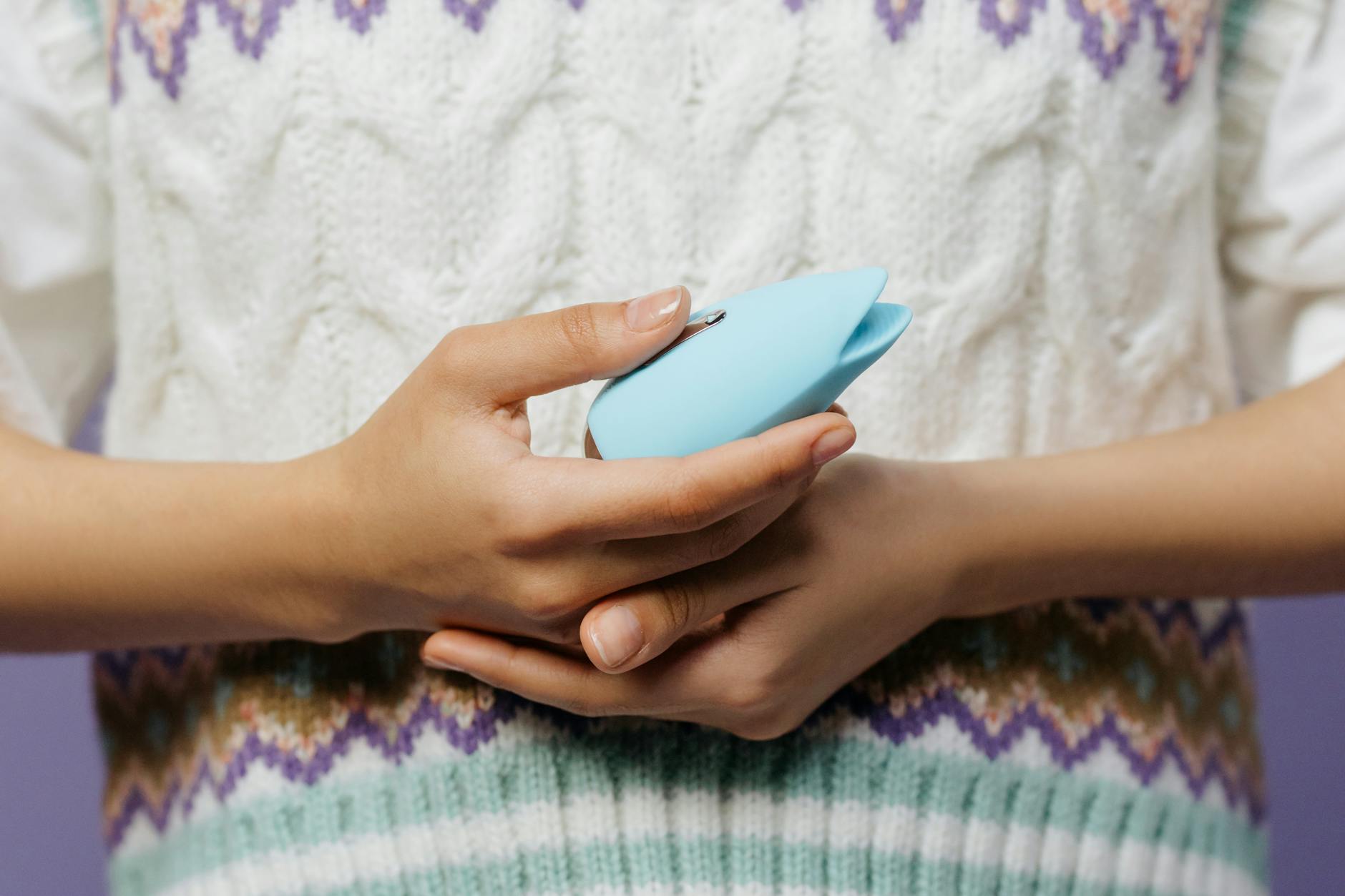
Photo by cottonbro studio on Pexels
Mapping your new landscape
Once you've got five or six solo sessions under your belt, start mapping what works. Keep notes if you can. Which intensity levels feel good? Which patterns? Do you prefer external suction or vibration? Does your response change depending on your cycle, time of day, or stress level?
Most people find that clitoral vibrators work better with specific pressure patterns when medication has dulled sensation. A steady rhythm at medium intensity often works better than rapid pulsing. Some people find that starting with the vibrator on the outer labia and slowly working toward the clitoris builds sensation better than direct contact right away.
If you're using the Lem or a similar lemon vibrator, the suction pattern itself is usually enough. You don't need to hold it still. Micro-movements, small circles, gentle rocking. Experiment.
If you're working with a partner, this is the conversation to have now. "I'm reconnecting with sensation after medication shifts. I'm using a lemon clitoral vibrator to map what feels good. Here's what I've found." That directness transforms the experience from feeling like failure into feeling like teamwork.
When to check in with your doctor
If sensation hasn't shifted after eight to twelve weeks of consistent exploration, or if it's gotten worse, mention it to whoever prescribed the medication. Sexual side effects are real medical side effects. You have options: dose adjustment, timing changes, switching to a different drug in the same class, or adding something else to counteract the numbing effect.
Don't suffer quietly hoping it improves. It might, but your doctor can speed that up.
The longer view
Medication-related sensation changes aren't permanent. Your body will adjust, or your doctor will find a medication that works better, or both. In the meantime, tools like lemon vibrators aren't a workaround. They're a way to stay connected to your own pleasure while your neurochemistry figures itself out.
Some people find that reconnecting with sensation through patient, pressure-free exploration actually deepens their pleasure long-term. You learn what your body needs now. You lose the performance anxiety around "speed." You figure out that pleasure is negotiable, adjustable, and yours to shape.
Frequently asked questions
How long does it usually take for sensation to return after starting a new medication?
It varies wildly. Some people notice shifts within two to four weeks as their body adjusts. Others find sensation stabilizes after two to three months. Some experience persistent numbness or flatness that requires either switching medications or adding something to counteract the side effect. The timeline depends on the specific drug, your body chemistry, your baseline sensitivity, and honestly, how much intentional time you spend reconnecting with sensation. Three things help speed adjustment: consistent self-touch exploration, open communication with your partner if you have one, and real conversations with your doctor if weeks pass without improvement.
Is it normal for sensation to feel sharp or uncomfortable instead of numb?
Completely normal. Some medications create hypersensitivity or dysesthesia where touch that should feel good feels tingly, electric, or painful instead. This is actually sometimes easier to work with than numbness because your nervous system is still responding. The strategy is the same: start soft and low-intensity, use lube, and explore slowly. A lemon vibrator's gentle suction is often less overwhelming than direct friction when sensation feels fragile. If the uncomfortable sensation persists for weeks, talk to your prescriber. It might mean a dosage adjustment or switching drugs.
Can I use a lemon vibrator with my partner if medication has changed my sensation?
Absolutely. In fact, having a partner involved in the exploration can be really helpful. You can show them what patterns feel good, what intensity levels work, where you want pressure. Some people find that using a lemon clitoral vibrator together becomes a form of foreplay rather than a replacement for partnered sex. The toy lets your partner participate in your pleasure without the pressure of their own touch being "enough." Just make sure you're communicating throughout. "That feels good," "slower," "more intensity," "take a break." Partnership means real talk, not assumption.
What if lubrication is the main issue, not sensation?
Lube becomes a game-changer. Many medications reduce natural lubrication, especially SSRIs and blood pressure drugs. Using a good water-based lubricant every time you explore (solo or partnered) often improves sensation dramatically because it removes friction-related discomfort that was masking pleasure. You might actually find that sensation returns faster once friction is off the table. Reapply lube midway through. Your body isn't broken; it just needs a little support.
Should I tell my doctor I'm using a sex toy?
Yes, if it's relevant to the conversation about medication side effects. You don't need graphic detail. "I'm having trouble with sexual response since starting this medication, and I'm using a vibrator to help track what's shifting" is perfectly professional. Your doctor has heard this before. Sexual function is part of overall health. If your doctor seems uncomfortable with that conversation, that's information about them, not about whether it's appropriate to bring up. You deserve a prescriber who treats sexual wellbeing as part of the bigger picture.
Can medication side effects on sensation be permanent?
Rarely, but possibly. For most people, switching medications or adjusting doses solves the problem. Some people find that even when they stay on a medication long-term, their body adapts and sensation returns over time (sometimes months or years). A small number of people experience persistent sexual side effects despite all efforts. If that's your situation, working with a sex-positive therapist or sex educator becomes really valuable. They can help you reframe what pleasure looks like and find what works with your current reality.
The bigger picture
When medication changes sensation, it's easy to feel like your body has betrayed you. What's actually happening is much more neutral: chemistry has shifted, and your nervous system is adapting. That adaptation is temporary or manageable. Your capacity for pleasure is intact.
Using a lemon vibrator or other clitoral vibrator during this transition isn't giving up on your body. It's honoring what your body can do right now while giving it time and support to find its new baseline. The best tools are the ones that work with your current reality, not the one you wish you had.
Your pleasure matters. That matters even when (especially when) getting there requires a different path than it used to. If you want to dive deeper into navigating desire and sensation through life changes, we're here to help. Reach out anytime.