Let's be real about what stress does to your body
You know that feeling when you're wound up so tight that nothing feels good. Your shoulders are at your ears, your jaw is clenched, and even touching yourself feels kind of meh or worse—triggering. That's not a personal failing. That's your nervous system doing exactly what it's designed to do: shut down non-essential functions (like pleasure) to conserve resources for the threat it perceives.
Chronic stress and anxiety don't just make you feel bad mentally. They physically dull sensation. Blood flow pulls away from your skin and toward your core. Your clitoris becomes less responsive. Arousal takes longer, feels flatter, and orgasms either don't happen or feel distant. It's a real physiological response, not something you're imagining or doing wrong.
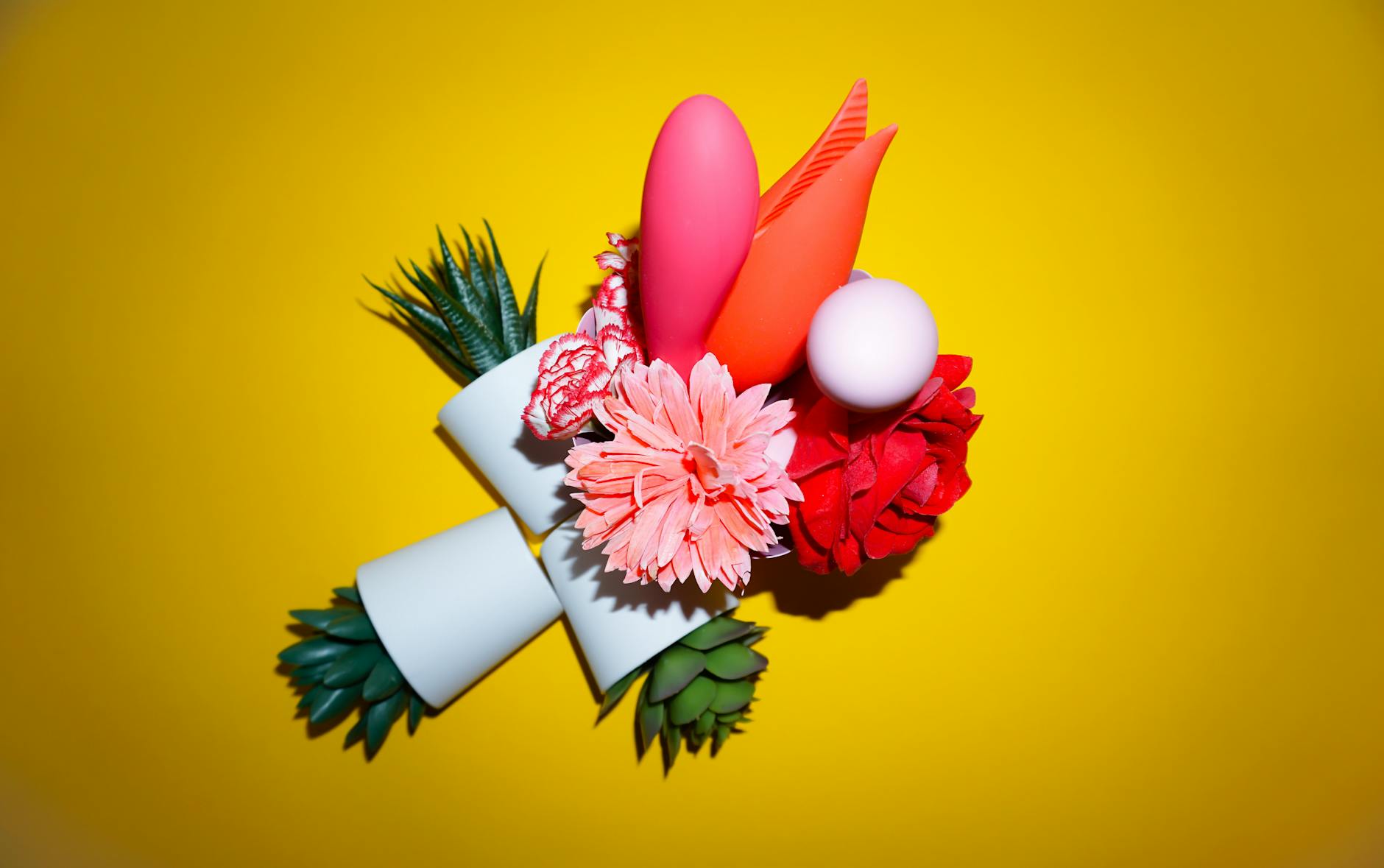
The good news: you can reverse it. And a lemon clitoral vibrator designed with air-suction technology can be one of your most effective tools for getting there.
Why stress numbs pleasure in the first place
When your body is in a prolonged fight-or-flight state, your parasympathetic nervous system—the one responsible for rest, digestion, and yes, arousal—gets downregulated. Think of it like your brain has dimmed the pleasure dial to redirect resources elsewhere. Your clitoris has thousands of nerve endings, but if blood flow isn't reaching the area and your nervous system is locked in survival mode, those nerves don't fire the same way.
Anxiety adds another layer. Even if you want to feel pleasure, your brain is scanning for threats. You can't be fully present in your body when part of your attention is always monitoring for danger.
This is why people often report that pleasure feels "muted" or "far away" during high-stress periods. It's not that you've lost capacity for sensation. It's that your nervous system has temporarily deprioritized it. The pathway is still there. You just need to help your body remember how to access it.

Photo by cottonbro studio on Pexels
The nervous system reset: starting before you turn anything on
Here's what most people miss: using a lemon vibrator when you're in full panic mode usually doesn't work. Your body is too activated. So the actual first step is helping your nervous system downshift before you engage with any toy.
Try this sequence:
Box breathing. Four counts in, hold for four, out for four, hold for four. Do this for two minutes. This directly activates your parasympathetic nervous system and tells your body it's safe to relax.
Progressive muscle relaxation. Start at your toes and consciously tense and release each muscle group moving upward. This teaches your nervous system where tension is living and gives you control over releasing it. Most of us carry stress in our shoulders, jaw, and pelvic floor—pay special attention there.
A full five minutes of doing nothing. Literally just lying down, lights dimmed, no phone. Let your body rest. This sounds simple because it is. But it works.
Only after these steps do you pick up your toy. Your nervous system needs to feel safe before pleasure can register.
How the lemon vibrator specifically helps reclaim sensation
The Lem uses air-suction technology, which is uniquely effective for this situation. Here's why. Traditional vibrators rely on direct friction, which requires a certain baseline of blood flow and nerve responsiveness. When you're stressed, those aren't optimal.
Air suction works differently. It creates gentle pressure waves that stimulate the clitoral nerves without requiring the same level of physiological activation. It's less "hard work" for a stressed-out nervous system to process. You can feel the stimulation even when sensation is dulled because the technology bypasses some of the normal barriers.
Start at the lowest settings. Patterns 1–3 are your friends here. Higher intensity can actually trigger more anxiety in an already-activated nervous system. The goal isn't to race to orgasm. It's to help your body remember that sensation is possible.
The patience part (which nobody wants to hear but matters)
When you're stressed, arousal doesn't accelerate the way it does when you're calm. You might need 20–30 minutes for your body to shift gears. Many people give up at the 8-minute mark and assume it's not working. Don't.
Set a timer if you need to. Tell yourself you have 30 minutes with no expectation of orgasm. Just sensation. Just presence. That reframe alone—from "I need to come" to "I'm just exploring what I can feel right now"—reduces the performance pressure that amplifies anxiety.
If you get distracted or anxious thoughts come up, don't fight them. Notice them, let them pass, and return attention to your body. Your brain is not your enemy in this moment. It's just doing its job of scanning for threats. You're simply teaching it slowly that pleasure is safe.
Building the habit back in
You don't need to wait for stress to disappear completely before you start rebuilding this. In fact, regular, low-pressure sessions with your lemon vibrator during moderately stressed periods is how you actually reprogram your nervous system.
Aim for three times a week, 20–30 minutes each, in the lowest-pressure setting. Don't link it to your partner or performance. Make it purely about reconnecting with your own body. Over time, you're literally rewiring your nervous system to recognize that sensation is accessible even during stressful life phases.
Many of my clients report that this becomes meditative. The act of intentionally tuning into their body, lowering their nervous system activation, and exploring sensation becomes a stress-management tool in itself—separate from whether they orgasm.
When to combine this with other practices
If your stress is really significant, consider pairing this work with something somatic. Therapy, yoga, or breathwork can all help downregulate your nervous system more efficiently than a toy alone. A marriage and family therapist or sex therapist can also help if the stress is relationship-related and you want to involve a partner in your recovery.
If anxiety is the dominant issue, particularly health anxiety or intrusive thoughts during intimate moments, cognitive behavioral therapy (CBT) is evidence-based and works. You don't have to white-knuckle your way through this alone.
Your lemon vibrator is a tool. A really good one. But it works best alongside other practices that support your overall nervous system health.
The shift you're working toward
Over weeks and months, you'll notice small changes. Your body responds a little faster. Sensation feels a touch sharper. You find yourself wanting to explore without a specific goal in mind. These are signs your nervous system is downregulating and your parasympathetic nervous system is coming back online.
This isn't linear. Stressful periods will still dull sensation. But your baseline will shift. And you'll have concrete proof that pleasure isn't gone—it was just temporarily offline.
If you're rebuilding desire with a long-term partner or noticing that sensation changes during periods of high relationship stress, this same reset applies. Your body's capacity for pleasure doesn't vanish. It just needs permission, time, and the right conditions to wake back up.
Frequently asked questions
How long does it take for a dulled sensation to come back after stress decreases?
It varies. Some people notice a shift within one to two weeks of consistent low-pressure use and nervous system work. Others take four to eight weeks. The key is consistency over intensity. Your nervous system heals faster when you're regular and gentle than when you push hard occasionally. Patience with the timeline matters more than the timeline itself.
Can I use my lemon vibrator if I'm actively having a panic attack?
Not effectively, and it may worsen anxiety. Wait until your nervous system has downshifted slightly. Use breathing techniques first, then return to your toy when you're calmer. Trying to force pleasure during active panic creates negative associations with the tool itself.
Does stress-related numbness ever require medical attention?
If numbness is severe, sudden, or accompanied by pain, yes—see a doctor to rule out nerve issues or other medical causes. But if it correlates clearly with your stress levels and improves when stress decreases, it's likely nervous system dysfunction, not a structural problem. A therapist or sex therapist can help you address both the stress and the sensation recovery together.
Is it normal to feel frustrated that pleasure takes so long when stressed?
Completely. You might feel like your body is betraying you. It's not. Your nervous system is protecting you—it just went a bit overboard. Reframe frustration as information. Your body is showing you exactly where your stress is living. That's useful data, not failure.
Can a partner help with this, or is it better solo?
Both work. Solo use removes performance pressure and helps you reconnect with your own body first. Partner involvement can help later, but only if the partner understands the goal is nervous system healing, not arousal. If a partner creates more pressure or stress, stay solo until you've rebuilt some baseline sensation and confidence.
What if I'm on antidepressants or anti-anxiety medication that also dulls sensation?
This is a real issue. Medications can contribute to numbness alongside stress. Work with your prescriber about timing (some meds are taken at night so sensation rebounds during the day) or dosage adjustments. Your lemon vibrator can still help, but you might need longer warm-up periods and lower expectations during medication adjustment phases.