Let's be real: your body feels like a stranger right now
Illness, surgery, or prolonged recovery changes how your body talks to you. Sensation that used to be automatic becomes uncertain. Touch that felt good feels muted or strange. Pleasure, which should be simple, suddenly requires translation. You're not broken. Your nervous system is just recalibrating, and that process takes time.
Here's what I've learned from working with people rebuilding intimacy after recovery: sensation doesn't come back all at once, and it doesn't come back the same way. That sounds discouraging until you realize it also means you get to discover what pleasure feels like now. Without the expectations of before. Without the muscle memory of old patterns. That's not loss. It's an opening.
Why sensation goes quiet during and after illness
When your body is managing trauma, infection, pain, or healing, it pulls resources away from pleasure. This isn't metaphorical. The vagus nerve, which carries signals for both rest and arousal, gets preoccupied with survival. Blood flow stays near the injury or the infection. Your brain, exhausted by managing symptoms, doesn't have bandwidth for subtle sensation. Medications can flatten everything. Anesthesia can leave you feeling detached from your skin for weeks.
Then recovery starts, and you expect pleasure to switch back on like a light. It doesn't. Sensation returns in layers, unevenly, and sometimes in unexpected places. A touch that hurt last week feels neutral this week. A sensation you loved before might feel too intense now.
This is not permanent. But pretending it isn't happening is the fastest way to tank your confidence and isolate yourself from pleasure.
The first thing to do before you use anything
Check in with your care team. Not to ask permission (this is your body), but to understand your healing timeline and any physical restrictions. If you've had pelvic surgery or trauma, know your timeline. If you're on pain medication, understand how it affects arousal and sensation. If you had a C-section, abdominal surgery, or anything that affected your core, know which movements are safe and which aren't.
This isn't boring. This is freedom. Knowing your actual limits means you can relax within them instead of white-knuckling through fear of doing something wrong.
Start with sensation, not orgasm
The instinct after recovery is to want things back to normal immediately. Your brain says: use the vibrator, chase an orgasm, prove you're still you. That's understandable. It's also backwards.
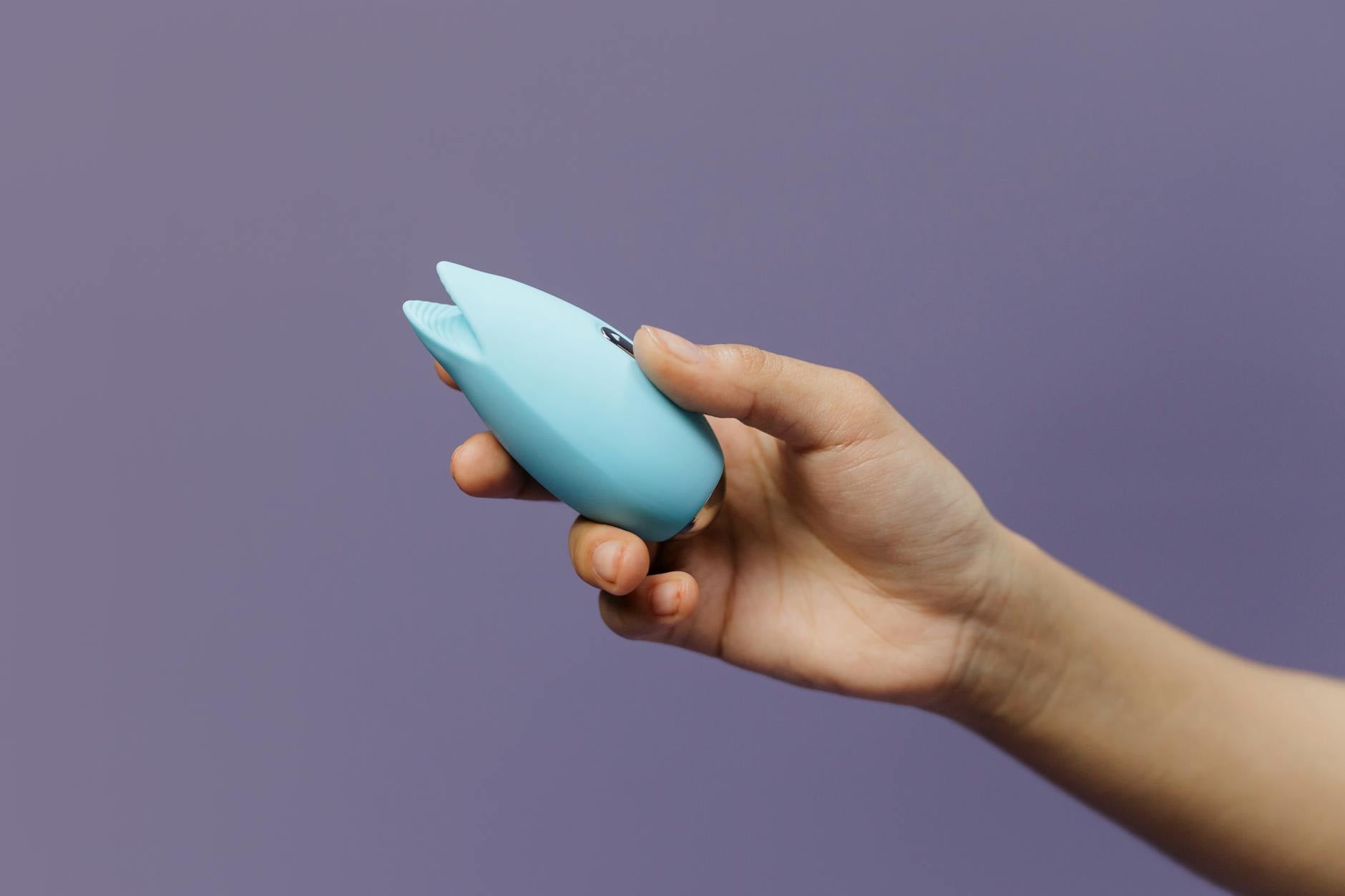
For the first few weeks, let a lemon vibrator be about sensation exploration, not goal-chasing. This means:
Turn it on at the lowest pattern. Pattern 1 on most lemon clitoral vibrators is gentle suction that feels more like massage than intensity. Let that be enough. Notice what it feels like on your inner arm first. On your collarbone. On your neck. Your nervous system needs to relearn that touch can be both safe and pleasurable at the same time.
Then, when you're ready, try it on your genitals with no expectation of anything happening. No pressure to feel aroused. No timeline. If sensation shows up, great. If it doesn't, you're still gathering information about what feels okay and what doesn't.
Understanding your new sensation map
After recovery, sensation doesn't return uniformly. Some areas might feel hypersensitive. Others might feel completely numb. You might notice that arousal builds differently. That your body needs more warm-up time. That you orgasm differently, or not at all yet, and that's completely normal.
A lemon vibrator is ideal for this exploration because it applies suction instead of rapid vibration. Suction wakes up nerve endings without the intensity of traditional vibration. It's often easier on healing tissue. It gives you more control over intensity through the pattern choice rather than forcing you into full speed immediately.
As you explore, start noticing where sensation is present and where it's missing. This map will change. That's the point. Your nervous system is rewiring itself, and you get to be curious about how.
When to increase intensity (and when to wait)
You might notice that you can handle Pattern 1 easily after a week or two. The instinct is to jump to Pattern 3 or 4. Don't. Move one pattern up, wait a few sessions, notice what changes. Your nervous system doesn't like surprises right now. It's already been through something.
Increasing intensity too fast can trigger pain, numbness, or emotional flooding. Moving slowly means you stay in control of the experience. You get to decide when sensation feels safe enough to explore more.
If you notice that increasing intensity triggers pain, numbness, or emotional response, pause. This doesn't mean something is wrong. It means your nervous system is telling you something. Listen to it.
Partnered pleasure after recovery
If you have a partner, this is where communication gets essential and also harder. Your partner might feel worried about hurting you. You might feel self-conscious about your body not responding the way it used to. The temptation is to either avoid sex entirely or to rush through it to prove you're fine.
Instead, invite them into the exploration. Let them know that sensation is returning in layers. Explain that you might need more time for arousal to build. Show them what patterns feel good on the lemon vibrator right now. Make it collaborative rather than performative.
If they want to be involved in using the vibrator with you, that's fine. If you need solo time to figure out your body first, that's also fine. There's no timeline. Your partner can wait. Your pleasure can't rush.
When numbness or pain persists
If you're three weeks into recovery and sensation is still completely absent, or if pain accompanies any stimulation, talk to your doctor. This isn't failure. It's information. Some people need longer. Some need different support. Some need physical therapy or pelvic floor work. None of these mean pleasure is gone forever.
Post-recovery sexual dysfunction is real and treatable. A gynecologist or pelvic floor specialist can help. Therapy can help if the recovery itself left emotional wounds. A lemon vibrator is a tool for exploration, but it's not a replacement for professional support if something isn't healing the way it should.
The permission you're actually looking for
Here's what nobody tells you about recovery: pleasure is part of healing. Not spiritually. Not metaphorically. Literally. Arousal increases blood flow. Orgasm releases endorphins. Sensation helps your nervous system recalibrate from threat mode back to connection mode. Pleasure is medicine.
You don't need to earn it back. You don't need to wait until you're fully healed. You don't need your partner's approval or your doctor's permission (though checking in with your doctor makes sense). You need to give yourself permission to explore sensation at whatever pace feels safe right now.
A lemon vibrator isn't a way to rush recovery. It's a way to stay present while it's happening. To notice your body as it changes. To find pleasure not despite what you've been through, but with it. Your body didn't betray you. It survived. Now it gets to remember what good feels like.
FAQ: Using a lemon vibrator during recovery
How long after surgery can I use a vibrator?
This depends on the surgery. After most gynecological procedures, most doctors recommend waiting 2-4 weeks before any vaginal stimulation. After abdominal surgery like C-section, wait until you can walk without pain and have been cleared by your surgeon. For other surgeries, ask your surgeon directly. There's no generic timeline. Your healing is unique.
What if I feel nothing at all?
That's normal. During early recovery, your nervous system might be completely flatlined on pleasure signals. This doesn't mean sensation is gone forever. It means your body is still managing trauma. Give it time. Stay curious. Sometimes nothing happens for weeks, then suddenly Pattern 2 on a lemon vibrator feels incredible. Patience rewires more than force ever will.
Can I use a lemon vibrator if I have internal stitches?
Not yet. Wait until stitches are dissolved and your doctor clears you. After that, start gently at the lowest pattern. If you feel tugging, pinching, or pulling sensations, stop and wait longer. Your tissue is still knitting itself back together, and that process isn't linear.
Should I use lubricant?
Always. Recovery often dries tissue. Hormonal changes can too. Water-based lubricant makes exploration more comfortable and reduces friction that could irritate healing skin. It's not a sign that something is wrong. It's a normal part of recovery. Use it freely.
What if my partner thinks I should be ready before I am?
Then you need a conversation that has nothing to do with the vibrator. Recovery isn't a performance. Your body has a timeline. Your partner can wait, or you can address why they're pushing before you're ready. That's the real work. A lemon vibrator is just the tool. The relationship is what matters.
Is it normal to feel emotional while exploring sensation again?
Completely. Recovery is traumatic, even when it was necessary. Your body survived something. Reconnecting with pleasure can bring up grief, gratitude, anger, or relief all at once. Some people cry during or after using a vibrator post-recovery. Some feel nothing and then feel ashamed. All of this is normal. Feel what comes up. You don't have to fix it or fast-forward through it.
The thing nobody says but everyone needs to hear
Your body is different now. That doesn't make it wrong. Different means you get to learn it again without the weight of how it used to be. A lemon clitoral vibrator is just a tool that lets you do that exploration gently, at your own pace, without judgment. Your pleasure hasn't gone anywhere. It's just waiting for you to be ready to find it again. And you will. Take the time. Your body is worth it.
If you have questions about rebuilding intimacy more broadly after recovery, especially within a partnership, reach out. That's what we're here for.