The thing nobody tells you about antidepressants and sex
Antidepressants work by changing how your brain processes serotonin. That's also how they sometimes flatten sensation, delay arousal, and make orgasm feel distant or impossible. This side effect is real. It's also completely reversible, even if it feels permanent right now.
Here's what matters: you don't have to choose between mental health and pleasure. You just need to understand what's happening physiologically and adjust your approach.
Why antidepressants affect sensation the way they do
SSRIs (the most commonly prescribed class) increase available serotonin in your brain's reward pathways. For depression, that's transformative. For sensation, it can feel like someone turned down the volume on everything.
The numbness usually hits three ways:
First, arousal takes longer to trigger. Your brain isn't as responsive to the usual cues. Second, physical sensation feels muffled. Touch that used to feel electric now feels distant. Third, orgasm either takes forever or arrives without the usual intensity. Sometimes all three happen at once.
The good news: this isn't your body breaking. It's your nervous system running at a different baseline. That baseline is stable and, importantly, changeable.
How lemon vibrators work differently when sensation is muted
A standard vibrator relies on your existing sensitivity to feel good. If your medication has dulled sensation, a regular vibrator often just feels like vibration. You're aware of the motion but not enjoying it.
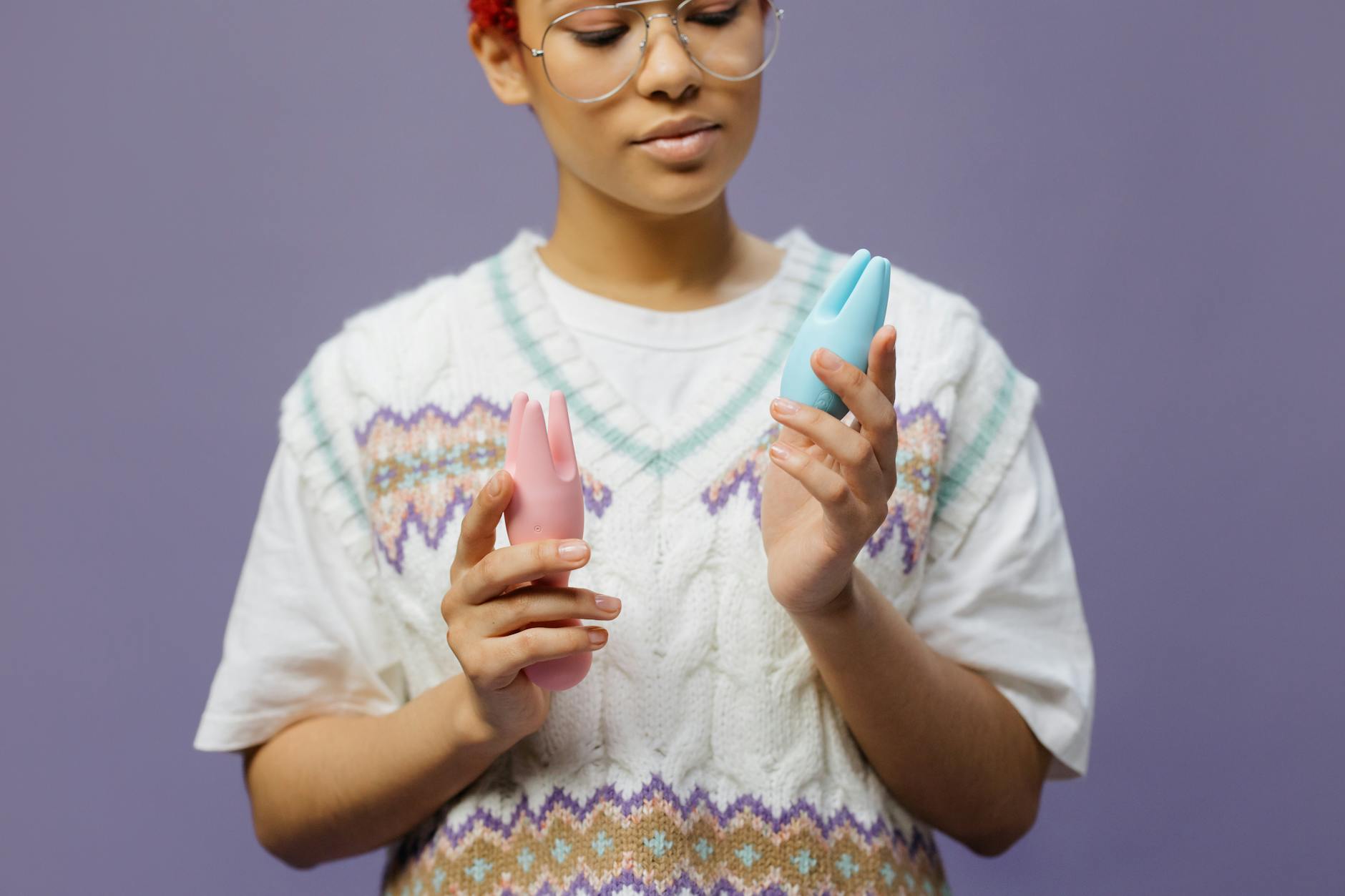
Lemon clitoral vibrators work through suction, not vibration. This is why they're particularly effective when antidepressants have numbed response. Suction stimulates tissue in a way that doesn't depend on your baseline sensation level. It creates physical change in the tissue itself, which your nerves register even when your brain's pleasure pathways are quieter.
Think of it like the difference between someone whispering in a noisy room and someone tapping your shoulder. The tap registers regardless of what else is happening.
Starting over: how to rebuild sensation step by step
If you've been without pleasure for months or years, jumping straight to intensity won't work. Your nervous system needs reconditioning.
Week one: exploration without expectation. Use your lemon vibrator on the lowest setting. The goal isn't orgasm. The goal is just noticing. Spend 10 to 15 minutes exploring sensation with zero pressure. What feels different from before? Where do you feel it most? This isn't about performance. It's archaeology.
Week two: timing and breathing. Antidepressants often make arousal slower, so dedicate 20 to 30 minutes. That sounds long, but you're fighting against neurochemistry. Start with mental foreplay. Read something that used to turn you on. Let your mind work before your body does. When you use your lemon clitoral vibrator, focus on breathing deeply. Shallow breathing is anxiety's signature. Deep belly breathing tells your nervous system it's safe to feel.
Week three: pattern variation. Most lemon vibrators have multiple settings. Once you've found the baseline that registers, experiment with pattern changes every 3 to 5 minutes. Don't stay on one setting waiting for orgasm. Movement keeps your nervous system engaged. Think of it like varying your walking pace to stay present instead of zoning out.
Week four and beyond: patience over pressure. This is where most people fail. Your brain is used to muted sensation. Rebuilding that pathway takes time. If orgasm doesn't happen, that's not failure. Sensation returning is the win.
The medication conversation you need to have
If you've been on antidepressants for six months and sensation hasn't improved at all, talk to your prescriber. You have options.
Some people switch to different SSRIs that have lower sexual side effects. Some add a second medication that counteracts numbness. Some adjust timing (taking medication at night instead of morning, for instance). None of these choices means your original medication failed. It means you're optimizing.
Bring this up directly. Doctors expect it. If your provider dismisses it or says "it's just a side effect you have to accept," that's a signal you might need a different provider. You're not being dramatic. Sexual function is a real part of health.
What changes when you bring a partner into this
If you're partnered, this gets more nuanced. Your partner might interpret your muted response as loss of desire for them. It isn't. But it feels that way to both of you, which creates distance.
Here's the conversation: "My medication is working for my mental health. Right now it's also affecting how I experience sensation. This isn't about you or my feelings for you. It's chemistry. I'm working on rebuilding this, and I'd like your patience while I figure it out." Then actually invite them into the process. Let them know when you're exploring with your lemon vibrator. Not as performance, but as partnership. That shifts the dynamic from "something's wrong with me" to "we're solving this together."

Photo by cottonbro studio on Pexels
When to add other tools to your routine
Once you've spent a few weeks with your lemon clitoral vibrator, you might find that sensation is returning but slowly. That's when layering helps.
Add a water-based lubricant. Even if you're producing natural lubrication, extra lube reduces friction resistance, which lets your nervous system register sensation more clearly. Add longer foreplay. Your brain needs more time to build arousal when antidepressants are involved. Add mental stimulation. Read erotica, watch something that interests you, let your imagination work first. The goal is meeting your medication halfway.
If you're rebuilding pleasure after hormonal birth control, antidepressant numbness compounds the effect. You're managing two neurochemical shifts at once. That's not twice as hard. It's more like exponential. Give yourself more time and more grace.
The timeline you should actually expect
Honestly? Sensation usually returns between 8 to 16 weeks if your medication dose is stable. That's not fast, but it's predictable. Some people notice shifts within days of adjusting their approach. Others need months.
What matters is that it's linear. You don't go from completely numb to fully responsive overnight. You notice a tiny shift. Then another. Then one day you realize touch actually feels like something again. The lemon vibrator becomes a tool for noticing those tiny shifts, which is why it works better than most other options when sensation is compromised.
FAQ: The questions that actually matter
Does using a lemon vibrator while on antidepressants make the numbness worse?
No. Using it consistently actually accelerates the return of sensation because you're actively stimulating your nervous system. Think of it like physical therapy for pleasure. The concern that "using toys makes it worse" comes from a misunderstanding of how antidepressants work. Sensation isn't being used up. It's being muted. Regular stimulation helps your brain re-sensitize.
Can I switch antidepressants to fix this?
Maybe. Some antidepressants have lower sexual side effects than others. Bupropion, for instance, is less likely to cause numbness. But switching isn't a quick fix. Your brain needs time to adjust to new medication, and you need to manage the transition carefully. Talk to your prescriber about whether switching makes sense for your specific situation. Don't stop or change your medication on your own.
What if sensation never comes back?
It almost always does, but the timeline varies wildly. If you're six months in with no improvement, that's when the medication conversation becomes urgent. Your dose might be too high. Your specific drug might not be the right fit. You might benefit from an add-on medication. These are all solvable problems, but they need professional input.
Is it normal to feel guilty about needing a tool when I used to be able to orgasm easily?
Completely normal. You're grieving a version of your body that's temporarily unavailable. That's real. But here's the reframing: using a lemon vibrator isn't admitting defeat. It's being strategic. You're using the right tool for your current neurochemistry, not settling. You rebuilt your mental health. Now you're rebuilding your pleasure. That's not weakness. That's resilience.
How do I know if antidepressant numbness is different from other causes of lost sensation?
Start with timing. Antidepressant numbness usually appears within the first two to four weeks of starting the medication, or within days of increasing your dose. If sensation disappeared at that exact moment, medication is almost certainly the cause. If sensation gradually faded over months, it might be depression deepening (depression itself kills pleasure). If it started years ago unrelated to medication, other causes might be at play. Your prescriber can help you distinguish.
Can I use a lemon vibrator during sex with a partner while on antidepressants?
Yes, and it often helps. When sensation is muted, a lemon clitoral vibrator can be the bridge that gets you to the pleasure you're reaching for. Some partners find this threatening. Some find it exciting. Talk about it first. Make it collaborative. The vibrator isn't replacing your partner. It's helping you both access the sensation and connection you both want.
Your pleasure matters even when your brain chemistry doesn't cooperate
Antidepressants save lives. They also sometimes interrupt pleasure. Both things are true. You don't have to choose between taking care of your mental health and taking care of your sexual wellness. You just need patience, the right tools like a lemon clitoral vibrator, and permission to approach this differently than you did before.
If you're sitting with numbness right now, know that it's a side effect, not a sentence. People rebuild sensation every day while on antidepressants. You can too. Start small. Be consistent. Give your nervous system time. And consider reaching out if you need support navigating the medical conversation around this.
You deserve to feel good on every level. That's not greedy. That's baseline.