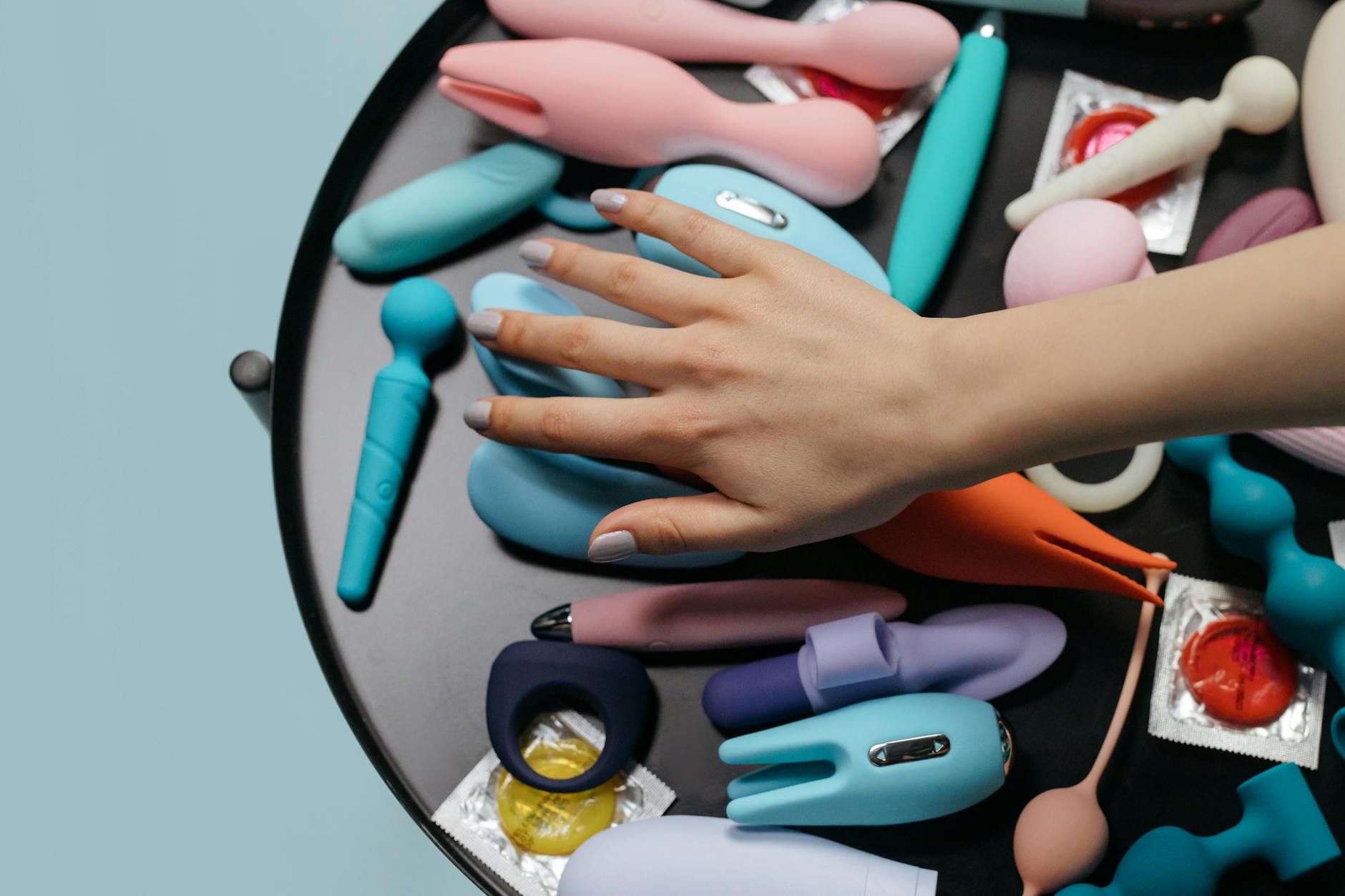
The thing nobody tells you about new relationships
There's this weird window in early dating where everything feels charged but also fragile. You're still figuring out if you trust each other, what you both want, and whether the chemistry translates beyond that first kiss. Introducing a toy in this phase feels high-stakes. But here's what I've seen in my practice: the couples who bring up toys early, thoughtfully, actually build deeper intimacy faster than those who wait until year three and suddenly feel too exposed.
The reason isn't magic. It's permission. When you introduce a lemon vibrator in the early stages, you're essentially saying, "My pleasure matters to me, and I trust you with it." That vulnerability creates a different kind of bonding.
Why early introduction can actually work
Countintuitively, the first three months might be the easiest time to talk about this. Here's why.
Neither of you has built up a massive narrative yet about how sex "should" go between you. You're both still figuring it out. There's less ego on the line. If your partner is someone who's never used a lemon vibrator or any toy, they're not worried about being replaced. They're just trying to understand you. And you get to set the tone for what pleasure looks like in your dynamic from the start.
Second, early sex is often a bit clumsy anyway. There's nothing to protect by adding a new element. You're both learning your bodies and what works. A lemon clitoral vibrator isn't an indictment of your partner's abilities. It's just a tool that most people find genuinely helpful.
Third, and this matters: people who are early-stage secure enough to have this conversation tend to have partners who are also secure. It's a filter. If someone reacts badly to "I want to explore pleasure with you and this toy helps me get there," that's information you're getting at month two instead of month ten.
The timing conversation
Don't lead with the toy. Lead with desire.
Find a moment that's not during sex, not right after, and not when either of you is stressed or tired. A walk, a quiet evening, after cooking together. Something where you're talking but not performing. Say something like:
"I've been thinking about our sex life, and I really want to explore more with you. There's something I want to try that would help me get there, and I'd love your thoughts."
That sentence does three things. It shows you're invested in the intimacy. It positions the toy as part of something deeper, not a substitute. And it asks for their input, which makes them a collaborator instead of a bystander.
Wait for their response. Don't rush into explaining. Let them ask questions.
What to actually say
Honestly though, keep it simple. Most people overthink this.
"I've used a lemon vibrator before, and it really helps me orgasm. I'm wondering if you'd be open to me using one when we're together. It's not about you. It's just about me being able to fully enjoy what we're doing."
Or: "There's a clitoral vibrator I'm interested in trying. Would you be cool with that? I think it could be fun for both of us."
Notice what's not there. No apologies. No "I know this is weird." No elaborate justification. People sense when you're ashamed, and shame spreads. Confidence, even gentle confidence, is attractive.
If they say yes
Great. Now comes the actually useful part.
Start solo. Buy your lemon vibrator, use it alone first, figure out what you like. Rhythm, pressure, duration. You want to know your own body before introducing someone else into the equation. This is especially important in early dating when you might not feel totally relaxed yet.
Then bring it into partnered play gradually. Not the first time you use it together. Maybe the third or fourth time you're sexual. Don't make it a production. You're not unveiling it like a surprise gift. You're just using it as part of normal intimacy.
Start by using it during foreplay while your partner touches you elsewhere. This keeps them involved and lets them see how it affects you. Many people find watching their partner's pleasure response actually hotter than they expected.
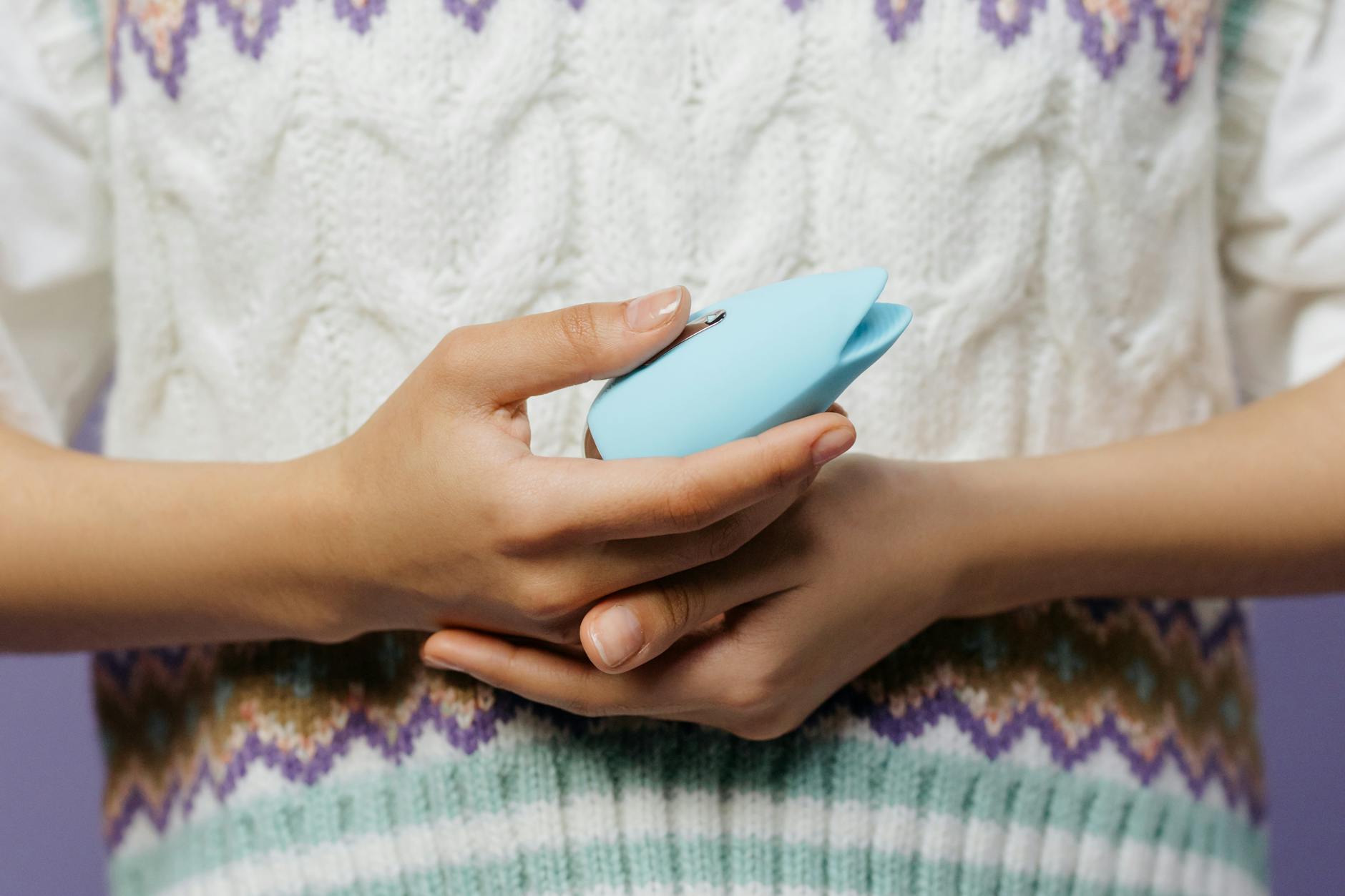
Photo by cottonbro studio on Pexels
If you're using a lemon sucker like the Lem, start on the lower intensity settings. You're nervous, they might be nervous, and lower intensity is less jarring for everyone. You can always increase it.
What if they say no
This is actually important information, and I want you to treat it that way.
If your partner says "I'm not comfortable with that," don't argue. Don't try to convince them. Instead, ask why. Is it about feeling inadequate? Is it a personal boundary? Is it that they had a bad experience with toys in the past? The reason matters because it determines whether this is a dealbreaker or a misunderstanding.
If it's "I feel like you don't need me if you have that," that's worth a conversation about what pleasure means in your dynamic. That's solvable. You can talk about how toys and partners do different things. You can introduce it differently.
If it's "I just don't want toys in my sex life, period," that's a boundary. You get to decide if that's compatible with what you want. Both answers are okay.
Don't spend three months resenting them because they said no and then you never brought it up again. That creates resentment. Either have the deeper conversation about whether this matters to you, or accept the boundary and let it go. But don't just swallow it.
The reality of pleasure with a new partner
Here's something most dating advice misses: orgasming with a new partner is actually harder for a lot of people, especially people with vulvas. You don't know each other's bodies yet. You might not feel totally safe. There's performance anxiety. Your nervous system is amped up.
A lemon clitoral vibrator can actually help level that playing field. It gives you a reliable path to pleasure that doesn't depend on the other person figuring you out yet. And paradoxically, that confidence tends to make the intimacy with your partner better, not worse. When you're not locked in your head trying to come, you're actually present.
When you want longer-lasting pleasure with a partner, there are specific rhythms and techniques that help. Early dating is when building those patterns becomes natural.
The conversation after
If it goes well, talk about it afterward. Not during sex, not immediately after, but later that day or the next morning.
"That was really good. I felt comfortable, and I loved that you were into it too."
Or if you want to adjust something: "That was fun. Next time, I might want to start it earlier in foreplay so I'm more warmed up."
These micro-conversations build trust. You're normalizing the discussion. You're showing that pleasure is something you both own.
What you're actually building
I know this sounds like it's just about the toy. It's not. You're establishing in the first months of your relationship that pleasure is a shared priority. That vulnerability is welcome. That your body matters. That communication about what you want is normal and hot.
Those foundations matter way more than any single toy. But the toy is the vehicle. It's the conversation starter. It's the permission slip you give yourself and your partner.
If you're using a lemon vibrator when both partners are learning pleasure together, you're actually starting from a really solid place. You're saying, "Let's figure this out as a team." That's the opposite of pressure. That's partnership.
FAQ
What if I've never used a vibrator before?
Then start there. Buy one, use it alone, get comfortable with it. Knowing your own pleasure response means you can explain what you like to a partner. You're not figuring out both the toy AND the relationship simultaneously. That's too many variables.
Should I buy the toy before or after I tell them?
After. Tell them first, get their buy-in, then buy it together or buy it and show them. Buying it in secret and then bringing it out feels sneaky. Buying it as a collaborative decision feels intentional.
What if they want to use it on me but I'm not ready for that level of vulnerability?
Tell them. "I want to use this myself first while you're there." Your comfort level is the boundary. They can respect that or they can't. If they can't, see the earlier section on what that means.
Does using a toy mean our sex life isn't good enough?
No. It means you both care about pleasure enough to use the best available tools. Most people use a toothbrush instead of just their fingers. Nobody takes that as an insult to their finger-brushing skills. Same logic.
How do I know if this toy is right for us?
There's no "us" toy. There's your toy. You own your pleasure. That said, the Lem is designed with sensitivity in mind and has multiple intensity settings, which is helpful when you're new to vibrators. It's forgiving. It works well whether you're solo or with a partner present.
What if we break up after I introduce the toy? Won't that be weird?
Relationships end. That's not a reason to avoid building intimacy while they're happening. You're not responsible for the ending. You're only responsible for showing up authentically in the beginning and middle. The toy has nothing to do with breakups. Your connection does.
The bigger picture
Early dating is when you get to decide what your intimacy will look like. You're not fighting years of patterns yet. You're not managing each other's insecurities or baggage about sex. You're just two people trying to connect.
Bringing a lemon vibrator into that space isn't reckless. It's intentional. It says, "I know what I like, I'm not embarrassed about it, and I want to share that with you." That kind of self-knowledge is magnetic. It's the opposite of needy. It's grounded.
If your new partner is someone worth staying with, they'll get it. And if they're not, you'll know early. Either way, you win.