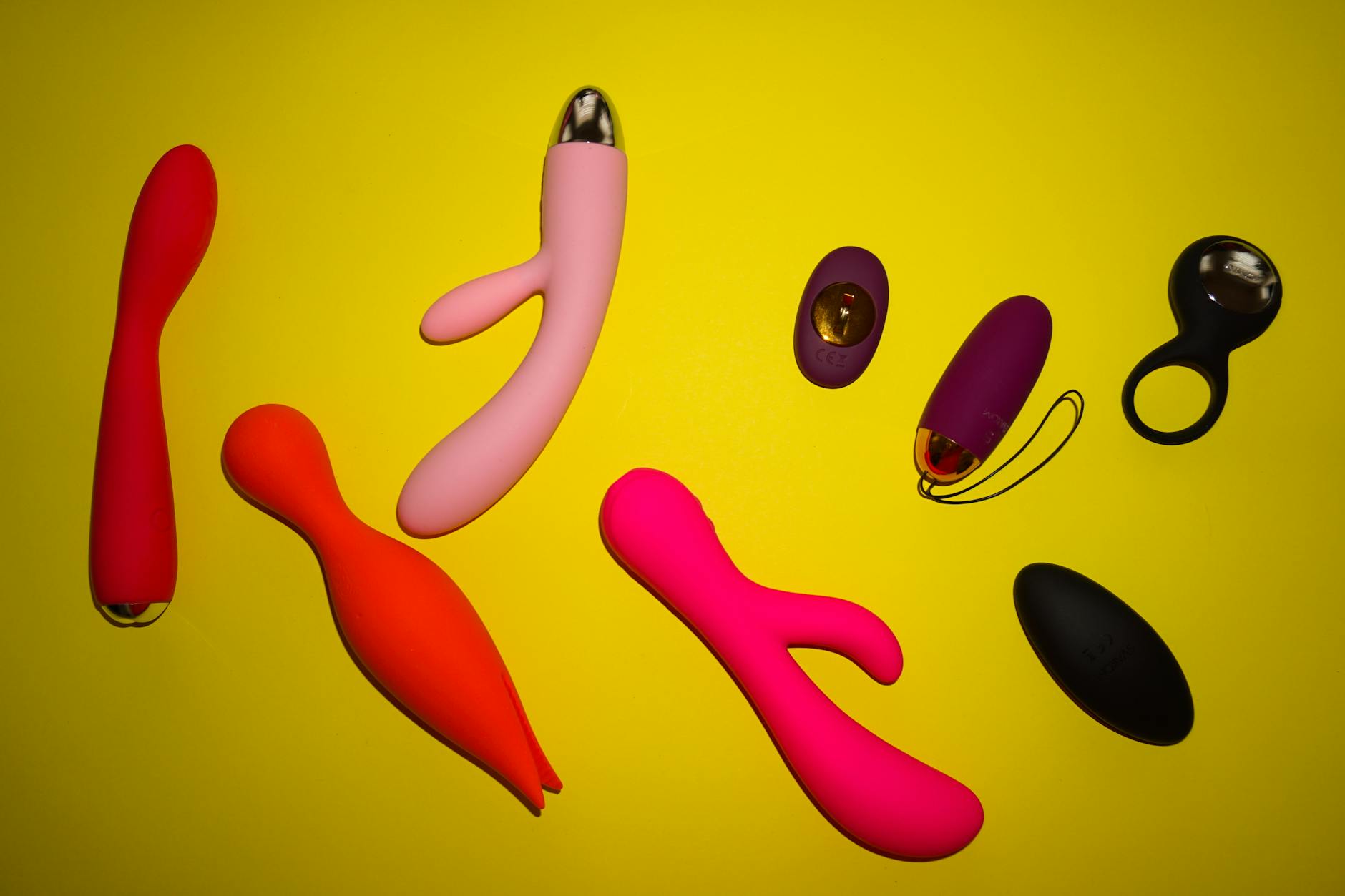
Let's talk about the thing no one mentions
Introducing toys to a new partner doesn't have to be a moment of panic, negotiation, or performative confidence. It's actually one of the clearest windows into whether you two can communicate about what matters. And that tells you everything.
Here's the honest part: most people worry that bringing a lemon vibrator into early intimacy signals that they're unsatisfied, impatient, or that the partner isn't enough. None of that is true, and the right person will know it immediately.
Why early is better than late
There's a weird cultural script that says you should hide toys until "later" in a relationship, once trust is established. The opposite is actually true. Introducing a clitoral vibrator early sends a clear signal: I know what my body needs, I'm not ashamed of it, and I want you involved in that knowledge.
When you wait months to mention that you use a lemon vibrator or that you want one, the reveal becomes weighted. Your partner may feel confused about why you waited, or worry that something changed. Early mention is just information sharing. It's matter-of-fact.
The second reason early works: you'll learn fast whether this person is genuinely sex-positive or just performing it. Someone who gets weird about a clitoral vibrator in month two isn't going to magically become comfortable in month eight.
The conversation framework that works
Don't ask permission. Don't make it a question mark. Make it a statement wrapped in curiosity about them.
The opener: "I've found that I enjoy using a clitoral vibrator like the Lem when I'm with a partner. It helps me get to orgasm more reliably, which makes everything better for both of us. Are you open to that?"
Notice what's missing: apology, explanation of your anatomy, justification. You're not saying "I'm sorry, but." You're saying "Here's what works for me."
The question at the end isn't weak. It's direct. It gives them space to think instead of react, and it invites them to voice concerns before you're both in bed.
If they hesitate: Ask why specifically. "Does the vibrator feel like something is missing for you?" or "Are you worried it'll distract from us connecting?" Most hesitation comes from one of three places: ego (they think the vibrator means they're inadequate), confusion (they don't understand clitoral pleasure), or logistics (they're not sure how to use it together).
You can address all three. The ego thing dissolves when you're clear: "Your hands, your mouth, your body matter. The vibrator just makes my nerve endings respond faster. Imagine a dimmer switch that's been stuck on low. The toy turns up the light so we can both see more clearly."
The timing and setting that remove pressure
Don't introduce the vibrator the first time you have sex. You both have enough to navigate. Introduce it on your third or fourth time together, when you've got rhythm and you're less in your heads.
Choose a moment when you're already intimate, but not mid-orgasm rush. You want space for conversation, not haste. "I brought something I want to try with you. No pressure if you want to wait, but I'm excited to see how it feels."
Keep it on the nightstand from the first time you use it. Not hidden in a drawer, not presented like contraband. Out and normal. This teaches your nervous system and theirs that pleasure tools are just tools, no different from lube or condoms.
How to actually use it together (the logistics)
If you're the person with the clitoris, you control the Lem or whichever lemon vibrator you choose. Your partner doesn't need to "know how" to use it on you. In fact, handing it over often creates pressure for them.
Instead, show them where it feels best on your body. "It feels amazing here," and guide their hand. Let them hold it while you direct. This feels collaborative, not like they're operating a manual.
Start on the lowest setting. Most partners are shocked at how much sensation a good clitoral vibrator creates. You don't need high intensity to demonstrate the point.
If penetration is part of what you're doing, the lemon vibrator works beautifully alongside it. You can use it on yourself while your partner is inside you, or they can hold it while you're connected. Either way, it's additive, not replacement.
What actually changes (and what doesn't)
Using a clitoral vibrator with a new partner changes sensation intensity and orgasm reliability. It does not change emotional closeness, unless you both decide it does.
Some people report that having a vibrator as part of early sex actually deepens connection. You're solving a shared puzzle. You're learning each other's bodies faster. You're both focused on making pleasure happen, which is its own intimacy.
Others feel self-conscious at first. That's fine. Shame often fades on the second use. By the third time you're integrating a lemon vibrator into intimacy together, it's just another normal thing you do.
Red flags worth taking seriously
If your partner responds to the idea of you using a vibrator with disgust, anger, or shame, pay attention. Not because they're a bad person, but because sexual shame rarely improves without active work.
Specific red flags: "You won't need me anymore," "That's weird," "Real men don't need help," or dismissing your pleasure as less important than their comfort. These are not small incompatibilities. They're previews of how they'll respond to other needs you'll have.
A good partner might feel nervous at first. Nervous is different from hostile. Nervous usually means they care and want to get it right. That's workable. Hostile is not.
The conversation after the first time
Once you've used a clitoral vibrator together, debrief. Not intensely. Just: "What felt good? Anything feel off?" This turns it from a one-time experiment into ongoing information you're both building.
Some partners discover they love holding the vibrator and watching you respond. Others prefer a role where they're not involved in the mechanics at all. Both are fine. What matters is that you both know the other's preference.
If the first time felt awkward, reassure your partner that awkwardness is normal and usually dissolves. Most people get more comfortable with toys and communication around sex when they try again, not less.
Why this matters beyond the vibrator
Using a lemon vibrator with a new partner is a test run for how you two handle difference and vulnerability. If you can talk about pleasure, ask for what you need, and adjust based on feedback, you can probably handle other conversations too.
Partners who can be honest about sex tend to be partners who can be honest about everything else. Money, family, boundaries, forgiveness. The same muscle that lets you say "I want to use a vibrator" is the same muscle that lets you say "I need support" or "I was hurt by what you said."
That's why this conversation matters so much. It's not really about the toy. It's about whether you two can build something based on truth instead of performance.