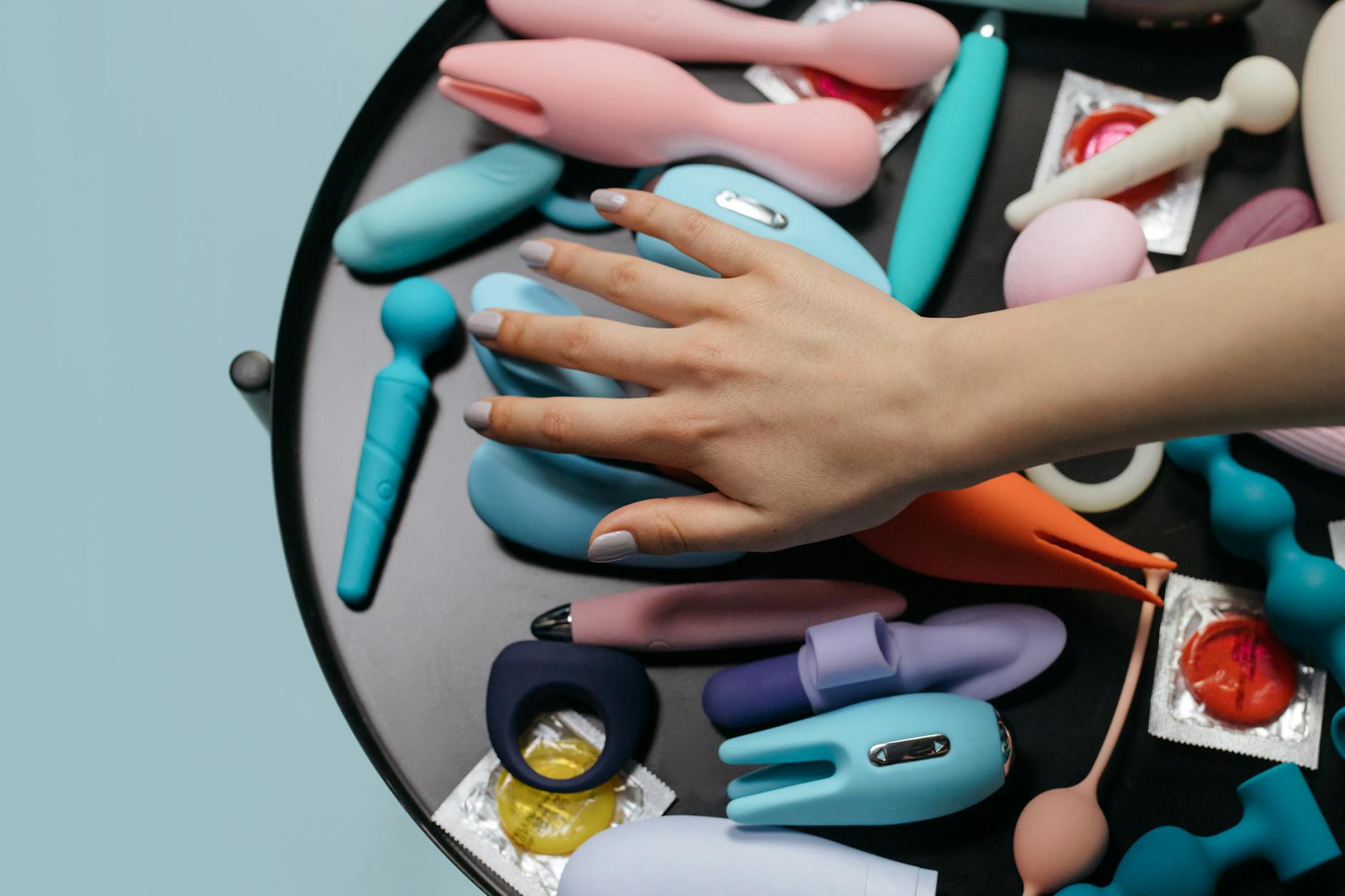
The thing nobody talks about
Sex gets better after 40 if you stop treating it like you're proving something. By this point in a relationship, the stakes are lower and the pleasure can be higher. But here's what happens: one partner wants to bring a toy into the bedroom, and suddenly everyone freezes like someone suggested something transgressive. It's not transgressive. It's practical.
Let me be clear: using a lemon vibrator with your partner isn't a sign that something's missing. It's a sign that you're paying attention to what could be better.
Why this conversation matters more after 40
In your 20s and 30s, novelty does half the work for you. Bodies are more responsive, recovery is faster, and there's still a lot of discovery happening. After 40, especially if you've been together for years, you're not finding new things by accident anymore. Arousal takes longer. Orgasm takes longer. Sometimes one partner reaches climax easily while the other needs more sustained stimulation to get there.
A lemon clitoral vibrator solves for that mismatch. But the conversation has to come first.
The research backs this up: couples over 40 who use toys together report higher sexual satisfaction and stronger emotional intimacy than couples who don't. That's not because the toy is magic. It's because talking about what you want forces you to be honest in a way that comfortable silence doesn't.
How to start the conversation without killing the mood
Don't bring it up in bed. Pick a neutral moment. Coffee on a Sunday, a walk, or just sitting on the couch. The opener matters more than you think.
Good openers sound like this:
"I've been thinking about ways we could both enjoy this more, and I want to try something together."
"I read that a lot of couples find using a vibrator together really hot. What would you think about exploring that?"
"I want you to have more pleasure. Would you be open to trying something new?"
What you're doing here is making it a team project, not a complaint. You're not saying "I'm not satisfied." You're saying "I want us both to be more satisfied." Big difference.
If your partner says no, don't push. Ask why. Often the objection is something fixable. "I feel like I'm not enough" is real and requires reassurance, not dismissal. "I'm not sure how to use it" is a knowledge problem. "I don't want anything inside me" is a boundary, and you respect it.
Choosing the right lemon vibrator for couple play
Not all vibrators work the same way during partnered sex. You need something that gives you control, fits the body position you'll be in, and doesn't create logistical chaos.
A lemon sucker style vibrator like the Lem works especially well for couples because it doesn't require insertion. Both of you stay in control of penetration (if that's happening) while one of you or both handle the external stimulation. It's less awkward to position, easier to communicate about, and the person receiving gets feedback without anything feeling crowded.
Start with one setting and one pattern. Don't overwhelm yourself with options the first time. You're building comfort, not testing every mode.
The timing conversation you're not having
Here's where most couples stumble: assuming the toy should come out at the end, right before climax. That can work, but it's not the only way.
Try introducing it earlier. Foreplay, warming up, when you're both still building arousal. This takes pressure off the moment and makes the toy feel like part of the journey, not a last-minute fix.
Or use it alongside penetration, if that's what you do. Some partners find that the combination feels less like "we need help" and more like "we're both getting what we need at the same time."
Talk about this part. "When would feel good to you?" is a better question than you think.
Managing the pressure that nobody mentions
After 40, especially in longer relationships, there's a low-key performance anxiety that happens with toys. The person with the vulva worries they're taking too long. The partner worries they're not doing it right. Someone's thinking about the logistics instead of the pleasure.
This is normal. Address it directly.
Before you even turn the thing on, say: "There's no rush. If this doesn't work tonight, that's fine. We'll figure it out." Lower the stakes. You're experimenting, not executing.
If arousal is difficult, it's not the toy's fault. It's often stress, distraction, medications, or just a body that needs a different kind of attention. A lemon clitoral vibrator helps, but it's not a magic wand. Patience is.
The sensitivity recalibration you both need
If you've been having the same kind of sex for years, your nervous system has adapted to that input. When you introduce a vibrator, it feels intense at first. That's fine. Your body adjusts.
Start at a lower setting and work up. Don't skip straight to pattern 5 because you're self-conscious. Let yourself actually feel what's happening.
For the partner who's using the vibrator: pay attention to their responses. You're not aiming for an orgasm in 90 seconds. You're exploring what feels good. Sometimes it's surprisingly quick. Sometimes it takes longer. Neither is wrong.
What to do if it feels awkward
It will, a little. That's okay. You've been intimate with this person for years, and you're introducing something new. There's a brief moment of self-consciousness. It passes.
If it really doesn't work the first time, don't abandon it. Try again a week later. Sometimes context matters. Sometimes you just needed to laugh about how weird it was and try again when you were less in your head.
One more thing: the partner not holding the vibrator matters too. You're not a spectator. You're still part of this. Stay connected. Touch them. Look at them. That's what makes it intimate instead of mechanical.
Building it into your regular rhythm
After a few times, using a lemon vibrator stops feeling like an experiment and starts feeling like just another option. That's the goal.
You don't need to use it every time. Some sessions it comes out, some it doesn't. The point is that you've created space to talk about pleasure, to try things, and to check in with each other. That conversation is often more valuable than the toy itself.
If you find yourself consistently preferring partnered sex with a vibrator, that's information. It's not a problem. It just means you've figured out what your bodies enjoy together.
When to seek outside support
If desire is completely gone on one side, a vibrator won't fix that. Low desire in midlife often has roots in stress, hormonal shifts, relationship dynamics, or past trauma. Those deserve actual attention, maybe with a therapist who specializes in sexuality.
If there's pain during sex, same thing. Don't assume a vibrator is the solution. See a gynecologist first.
If you're struggling to talk about this stuff without it turning into an argument, that's a sign that the issue isn't really about the toy. It might be about feeling heard, feeling desired, or feeling safe. Those conversations are worth having with a professional if you're stuck.
The long view
Using a lemon vibrator with your partner over 40 isn't about keeping up or fixing something broken. It's about saying: I still want this to feel good for us. I'm willing to be curious. I'm willing to talk about what I need. And I want you to have pleasure too.
That willingness is what changes things. The toy is just the excuse to have the conversation and the permission to prioritize your shared pleasure.
Your sex life doesn't have to decline after 40. It can deepen. And sometimes, the smallest tool is what opens that door.
People also ask
Is it normal to want to introduce toys into a long-term relationship?
Completely. In fact, couples who've been together for years often find that toys help them reconnect sexually because they shift the dynamic away from what's become routine. The desire to introduce a vibrator or other toy isn't a sign that something's wrong. It's usually a sign that someone's paying attention to pleasure and wants to prioritize it.
Will using a vibrator make my partner feel inadequate?
It might, at first. That's why the conversation before matters so much. Frame it as something you want to experience together, not something you need because they're not enough. A lemon clitoral vibrator isn't a replacement. It's an addition. Many partners find that using toys together actually increases intimacy because it means less pressure on whoever's doing the penetration and more pleasure for everyone.
How do I bring up wanting to use a vibrator without sounding like I'm complaining?
Focus on what you want, not what's missing. Instead of "I'm not satisfied," try "I want to explore ways we both feel amazing." Timing matters too. Don't bring it up during sex or right after a difficult conversation about something else. Pick a calm moment and frame it as curiosity, not criticism. If you've read about it or seen it recommended, mention that context. It takes the pressure off like it's your weird idea.
Can we use a vibrator during every sexual encounter?
You can, but you don't have to. Some couples use vibrators most of the time, others occasionally. There's no rule. What matters is that it feels good for both of you and that you're still connecting without it sometimes. If you find you can't enjoy sex without a vibrator, that's worth exploring separately. Sometimes it's just preference. Sometimes it signals something deeper about arousal or sensation that deserves attention.
What if my partner is resistant but willing to try?
Go slow. Start with education, not action. Show them the vibrator. Talk about it. Let them hold it. The first time you actually use it, keep expectations low. You're building comfort, not achieving a specific outcome. If they're willing but nervous, that's actually a good sign. Nervousness means they care and they're engaged. Just move at their pace.
How do I know if we're using it right?
There's no single "right way." If it feels good and you're both enjoying it, you're doing it right. That said, communication is key. Check in. "Does this feel good?" "Should I change the pattern?" "What do you want?" These questions take the guesswork out of it. And remember that what feels good changes. What worked last week might not be what you want this week. That's normal and fine.