Let's start with what sensitivity actually means
When someone says they're sensitive, we usually picture them wincing at touch. That's not always what's happening. Sometimes sensitivity is about overstimulation. Sometimes it's about the wrong kind of stimulation. Sometimes it's about trust, or past experience, or just the specific geometry of their body. The word "sensitive" is doing a lot of work and probably needs unpacking before you even pull out a toy.
Here's what I see most often in my practice. A partner with a sensitive body has tried traditional vibrators. The bullet vibrators buzz at one intensity level. The wand vibrators create pressure that feels too broad or too localized. Neither feels right. They end up either bracing against the sensation or checking out emotionally. Then the person using the toy feels like they're doing something wrong, when really, the tool is just mismatched.
This is where a lemon vibrator changes the script entirely.
Why lemon vibrators work for sensitive partners
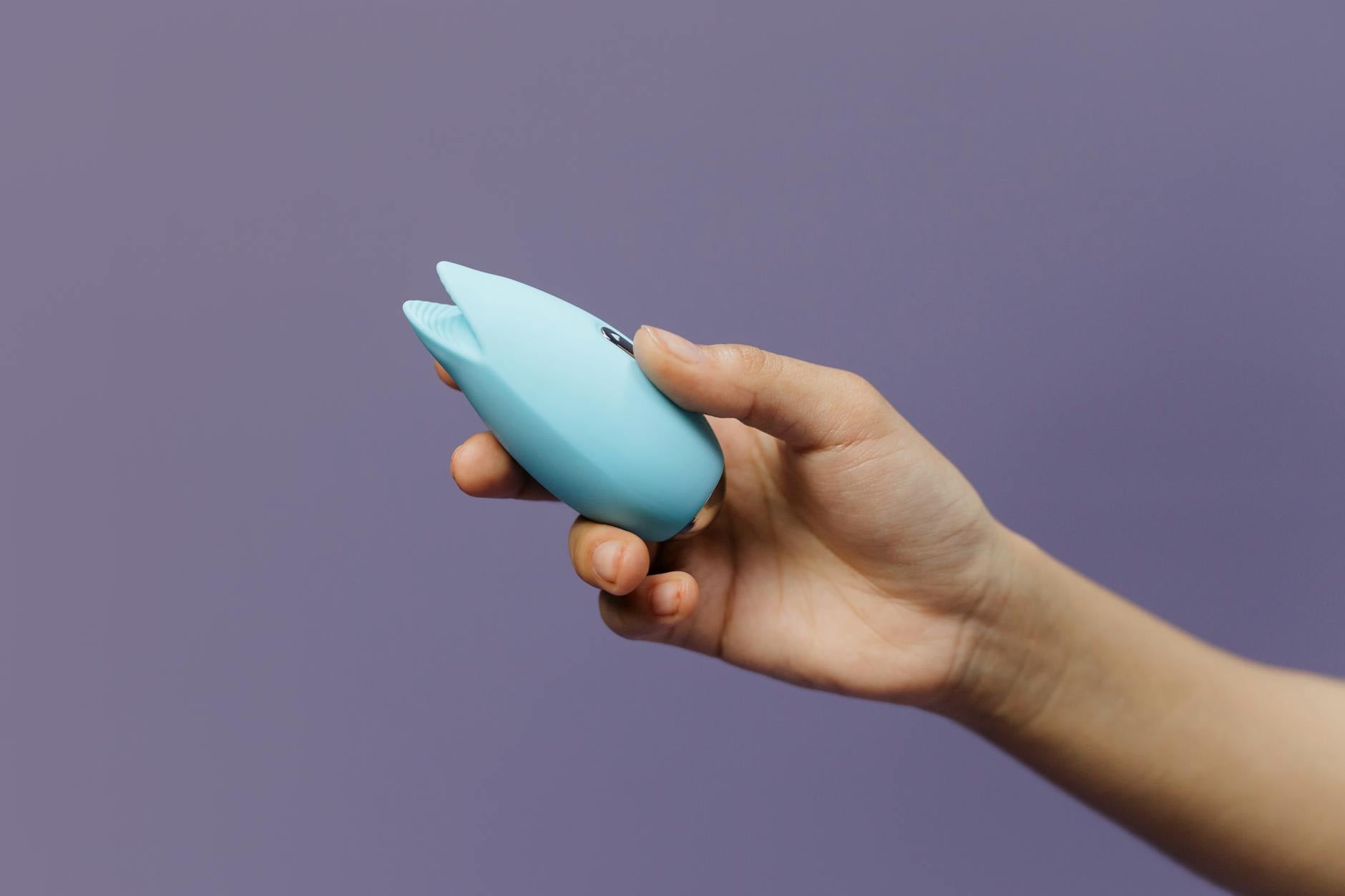
Let me be really specific here. A lemon sucker uses suction and gentle pulsing instead of direct buzzing or vibration. That distinction matters wildly. When you're working with a partner whose body responds to gentler input, suction is a different sensory experience entirely. It's focusing, but it's not aggressive. It's rhythmic without being relentless.
The other thing that makes lemon adult toys different is precision. The contact area is small and controlled. You're not pressing a broad surface against sensitive tissue. You're creating a gentle seal that allows your partner to feel exactly what's happening, which paradoxically makes sensation feel less overwhelming, not more. It's the difference between a spotlight and a floodlight.
I've worked with dozens of couples where one partner said "vibrators don't work for my body" and then experienced something completely different with a suction-based lemon clitoral vibrator. That's not an accident. The design is actually built for sensitivity.
Starting with the right pattern
Here's the practical part. Open the Hello Nancy app or check your lemon vibrator settings before you even approach your partner. Most clitoral vibrators have 3 to 5 intensity levels and multiple patterns. Start at level 1, pattern 1. I'm not being cute about this. That entry point is crucial.
Let your partner hold the toy first and explore it solo. They get to feel how it works, what the suction sensation actually is, and what happens at different intensities. This removes the performance pressure. They're not worrying about whether they're responding right. They're just discovering what their body actually likes.
When you're using it together, begin at the lowest setting and let them tell you when to increase intensity. Not "tell me when it feels good." Specifically, "tell me if this feels too much or if you want me to go higher." The specificity matters. It gives them permission to say no without feeling like they're breaking the mood.
Positioning and communication
Gentle stimulation requires more finesse with positioning than intense stimulation does. If you're using too much pressure, even a low-intensity lemon vibrator can become overwhelming. The sweet spot is usually light touch, with the suction head making full contact but your hand staying relaxed.
I recommend starting with external stimulation only. Let your partner get comfortable with the sensation before you add penetration or anything more complex. Multitasking sensations can absolutely overwhelm a sensitive body. Single-focus stimulation gives their nervous system room to actually enjoy what's happening.
Talk during. Not dirty talk necessarily. Actual check-in talk. "How's this feeling?" "Want me to try that angle?" "Should I go slower?" For sensitive partners, this communication isn't a mood killer. It's exactly what builds trust and safety. Trust and safety are the real prerequisites for pleasure in sensitive bodies. The toy is just the vehicle.
The rhythm of gentleness
One mistake I see couples make is assuming gentleness means constant, unchanging sensation. Actually, the opposite is often true. Varied rhythm feels less monotonous and gives your partner's nervous system little breaks. Try this. Use pattern 1 for 30 seconds, then pause for 5 seconds. Then try pattern 2 for 30 seconds. Then back to pattern 1. That rhythm and release actually feels more satisfying to many sensitive partners than one steady pattern for minutes.
Better yet, let your partner direct the rhythm. "Faster or slower?" "More or less pressure?" "Stay here or try something different?" You're not just using the toy. You're co-creating the experience. That shifts the entire dynamic from performance to partnership.
Managing overstimulation if it happens
Sometimes even with perfect setup, a sensitive partner's nervous system just says no. That's not failure. That's their body talking. Have a plan for that. It might be a simple "yellow light" signal that means slow down and "red light" that means stop. Or it might be "let me take a break for five minutes." The plan removes shame and keeps things playful.
When overstimulation happens, stop completely for a moment. You don't have to give up on pleasure that session. You might shift to manual touch instead. You might take an actual break and come back 10 minutes later. The goal isn't to push through. The goal is to honor what your partner's body is telling you.
Why sensitivity is actually an advantage
I want to reframe this because most couples see sensitivity as a limitation. It's not. Sensitive partners often experience pleasure more intensely because their nervous systems are more finely tuned. They're not broken. They're just calibrated differently.
A lemon suction vibrator works beautifully with this calibration because it's precise and controllable. You can create an experience that's exactly right for their nervous system, not some generic intensity level that works for whoever the toy was designed for in some lab.
When you invest in understanding your partner's sensitivity and choosing tools that work with it rather than against it, something shifts. Your partner feels seen. They trust you more. Pleasure becomes mutual discovery instead of a problem to solve.
FAQ
Can you use a lemon vibrator on sensitive skin if my partner has irritation or pain?
No. If your partner experiences pain or active irritation, that's a separate issue that needs professional attention before any toy use. See a doctor or gynecologist to rule out conditions like vaginismus or vulvodynia first. Then once that's addressed, a gentle clitoral vibrator like a lemon sucker can be part of the recovery process. But never try to pleasure through pain.
What if my partner has past trauma and is sensitive for emotional reasons?
This is real and common. Sensitivity rooted in trauma isn't about the body being oversensitive. It's about the nervous system being in a protective state. Start slower than you think you need to. Lots of pausing and check-ins. Consider working with a therapist alongside exploring toys. A lemon vibrator can absolutely be part of rebuilding trust in sensation, but it works best alongside actual emotional support.
Does the suction sensation feel completely different from traditional vibrators?
Yes. Suction is rhythmic pulsing that feels like a focal point of stimulation rather than buzzing that spreads across an area. Many people describe it as more precise and less overwhelming. If your partner has tried traditional vibrators and found them too intense, suction-based lemon clitoral vibrators are genuinely worth trying.
How long should a session be if my partner is sensitive?
Start with 10 to 15 minutes maximum. That's often enough for sensitive nervous systems to build arousal and reach orgasm. More isn't always better. A focused, shorter session where your partner actually feels good is infinitely better than a long session where they're bracing or checking out. You can always extend future sessions if your partner wants to.
Is there a difference between using a lemon vibrator solo versus with a partner when you're sensitive?
Often yes. Many sensitive partners report feeling more pressure to respond a certain way with a partner present. Solo exploration lets them figure out what actually feels good without performance pressure. Solo use first can actually make partnered use better because your partner already knows what works for their body.
What intensity level should we start at with a sensitive partner?
Always start at level 1, pattern 1. I know this sounds obvious but couples skip this step constantly and then wonder why the experience isn't working. Your sensitive partner might enjoy level 2 or 3 eventually. Or they might stay at level 1. Either way, beginning at the lowest setting removes guesswork and lets your partner guide you up if they want to go higher.
Keep communicating, keep adjusting
Using a lemon clitoral vibrator with a sensitive partner isn't about following a script. It's about staying curious about what actually works for their body. What works this week might shift next week. Their sensitivity might change with stress, with the phase of their cycle, with how connected they feel. That variability isn't a problem. It's just reality.
The advantage of starting with gentleness and communication is that you build a foundation of checking in. You're already in the habit of asking and listening. That habit makes adjusting easier. You're not starting from a place of assumption.