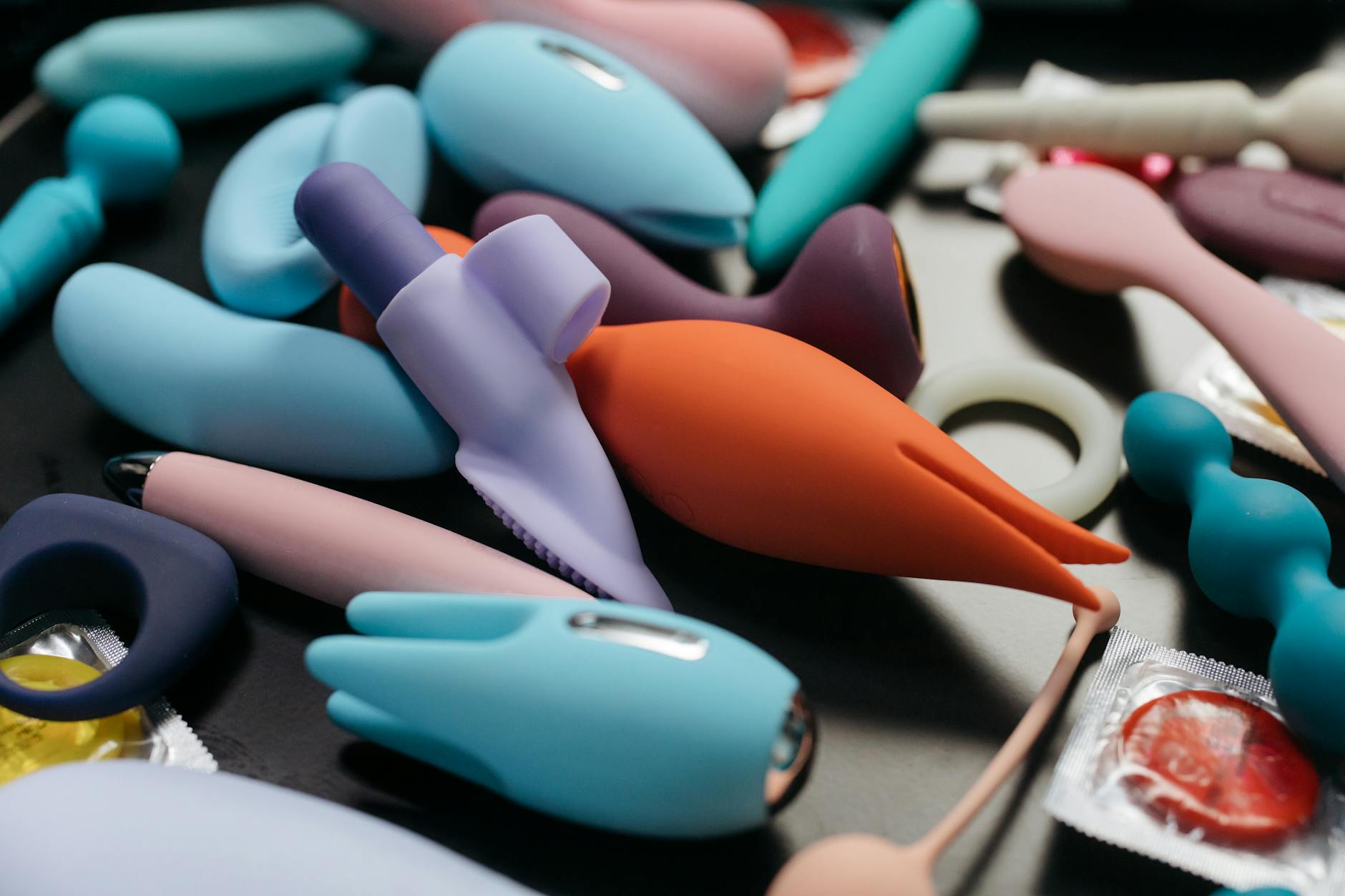
What actually happens when you switch vibrators
Let's be real: if you've spent the last five years with a bullet vibrator or a wand at maximum intensity, moving to a lemon sucker or any other tool will feel different. Your nervous system has been trained to expect a certain kind of input, and suddenly it's not getting it anymore. This isn't a flaw in the new device. It's your body adjusting to a completely different stimulation pattern.
The good news? Your sensitivity didn't vanish. It's just temporarily recalibrated. Most people rebuild full pleasure within two to four weeks of consistent use with a gentler approach.
Why intense vibration feels like "less"
Traditional vibrators, especially high-powered wands, deliver 5,000 to 9,000 vibrations per minute at sustained intensity. That constant, forceful stimulus floods your nerve endings with input. Your nervous system responds by turning down the volume on sensation over time. It's the same reason you stop noticing a loud fan after ten minutes in the room.
A lemon clitoral vibrator works differently. It uses air-pulse suction technology that creates a rhythmic lifting and releasing sensation rather than aggressive vibration. The stimulation pattern is gentler but also more nuanced. Your nerve endings need to relearn how to read these signals.
Here's the twist: most people find the suction sensation more reliable and more intense once their body recalibrates. Why? Because air-pulse technology works with your body's natural arousal response instead of overriding it. But that adjustment takes intention.
The rebound sensitivity window
Your first week with a new device often feels underwhelming. This is normal and temporary. Your clitoral nerve endings have been expecting high-frequency bombardment. Air-pulse suction feels almost gentle by comparison. But if you stick with it, something shifts around day 10 to 14.
During this window, resist the urge to crank up the intensity on your old toy or jump settings on the new one. The whole point is to let your nervous system reset. Think of it like taking a break from spicy food and then having a mild salsa taste bright and flavourful again.
Most people report that by week three, they're experiencing orgasms that feel deeper, more localized, and more satisfying than they did with traditional vibrators. The sensation isn't "less." It's just different in a way that requires your body to catch up.
Three weeks to reset: a practical timeline
Week One. Everything feels muted. Your instinct will be to give up or turn up the intensity. Don't. Use your lemon clitoral vibrator on the lowest or middle settings for 10 to 15 minutes, three to four times a week. You're not trying to orgasm. You're teaching your nerve endings that this new sensation exists.
Week Two. You'll start to notice more texture in the sensation. Some patterns will feel better than others. Spend time exploring which settings and rhythms your body responds to. You might have an orgasm. You might not. Both are fine. The goal is consistency and exploration, not performance.
Week Three. Sensitivity returns noticeably. Orgasms become easier and often feel more intense than before. Many people find they can reach orgasm with less active stimulation because their body has recalibrated to the more sophisticated input.
If you're not back to baseline by week three, that's still normal. Everyone's nervous system moves at its own pace. Give it four weeks before you reassess.
The role of arousal in the transition
Here's something many people miss: switching vibrators is harder when you're under pressure to perform. If you're trying to orgasm on a timeline or with a partner watching, your nervous system tenses up. The reset takes longer.
Instead, build arousal the way you did before you had a vibrator. Read something that turns you on. Spend time touching your body. Let your mind wander into fantasy. Give yourself permission to explore slowly. Then introduce the lemon sucker as part of a longer session, not the whole event.
You're not rebuilding your body's capacity for pleasure. You're rebuilding your nervous system's ability to read a new language. Arousal creates the cognitive space for that translation to happen.
When to bring in lubrication
Many people switching from traditional vibrators to a lemon clitoral vibrator notice they need more lubrication. This often feels like a problem. It's not. Suction-based toys rely on a seal between the device and your body, which works better with a slick surface. It also means less friction and less potential for irritation as you're reintroducing gentle stimulation.
Use a water-based lubricant. Apply it generously. It's not a sign something's wrong. It's part of the adjustment.
What if sensation still isn't returning
Most people have full sensitivity back within a month. If you don't, a few things might be happening.
First, check whether you're still using your old vibrator on the side. If you are, stop. Your body can't recalibrate if it's getting conflicting signals twice a week.
Second, consider whether stress or relationship dynamics have shifted. Anxiety, relationship tension, or pressure around sex will suppress sensation recovery regardless of which toy you're using. Address that directly before you blame the device.
Third, some people find they need more time. Four to six weeks isn't unusual. Be patient with yourself.
If you're eight weeks in and still feel numb, talk to a healthcare provider. It could be medication-related, hormonal, or something else entirely. But in most cases, sensitivity bounces back within a month.
Why lemon suckers are worth the adjustment
I recommend making this transition because air-pulse technology is simply more effective for most people once they're past the adjustment phase. It works with your arousal response instead of overriding it. It's quieter. It's easier to use with a partner. And most importantly, it tends to produce more consistent and more intense orgasms over time.
The upfront discomfort is real. But it's temporary. And the payoff on the other side is worth the two to four weeks of patience.
People also ask
How long does it take to feel normal sensation with a new vibrator?
Most people adapt within two to four weeks of regular use. The first week feels underwhelming. By week two, sensation starts returning. By week three to four, most people are experiencing the full intensity of the device. Your nervous system needs time to recalibrate to a different stimulation pattern, but this adjustment is temporary.
Can I use my old vibrator while I'm adjusting?
You can, but it will slow the reset. Your body learns the pattern of intense vibration and takes longer to appreciate gentler stimulation if you keep returning to high intensity. If you want a faster transition, commit to the new device exclusively for at least three weeks.
Is it normal to feel less sensation with air-pulse toys at first?
Completely normal. Air-pulse suction feels gentler and more rhythmic than traditional vibration. Your nerve endings have been trained to expect high-frequency intensity. The shift to a more sophisticated pattern feels like "less" initially. This is temporary and usually resolves within two weeks.
Should I use the lowest setting or the highest while I'm adjusting?
Start on the lowest or middle setting. Using maximum intensity during the adjustment phase defeats the purpose of retraining your nervous system. Once you're past week three and sensation is returning, you can explore higher intensities if you want. Many people find they don't need them.
What if I'm still not sensitive after four weeks?
If you've committed to the device exclusively, used it consistently (three to four times a week), and kept stress and relationship dynamics stable, sensitivity usually returns by week four. If it hasn't, pause for a week and start fresh. Sometimes our bodies need a break before they recalibrate. If sensitivity still doesn't return after six weeks, talk to your doctor. It could be medication, hormones, or something else that needs attention.
Can I rebuild sensitivity if I've been using very intense vibrators for years?
Yes. Even after years of high-intensity vibration, your nervous system can recalibrate. It might take a bit longer, four to six weeks instead of two to three. But the capacity for pleasure doesn't disappear. It just needs intentional retraining. Consistency matters more than anything else.
Moving forward
Switching from traditional vibrators to something like a lemon clitoral vibrator is a small adjustment with a big payoff. Yes, the first week or two feel underwhelming. Yes, your instinct will be to retreat to what you know. But if you push through that initial discomfort, you're likely to discover that air-pulse technology delivers more reliable, more intense, and more satisfying results than you've experienced before.
Your body isn't broken. It's just learning a new way to feel good. Give yourself grace during the transition. And trust that the adjustment is temporary and absolutely worth it.
If you want more on how different lemon clitoral vibrators work for different bodies, the guide on choosing a lemon vibrator for your body type walks you through it. And if you're dealing with partner dynamics during this transition, how to use a lemon vibrator with a partner over 40 has practical strategies for that conversation.
Your pleasure matters. The transition is worth it.