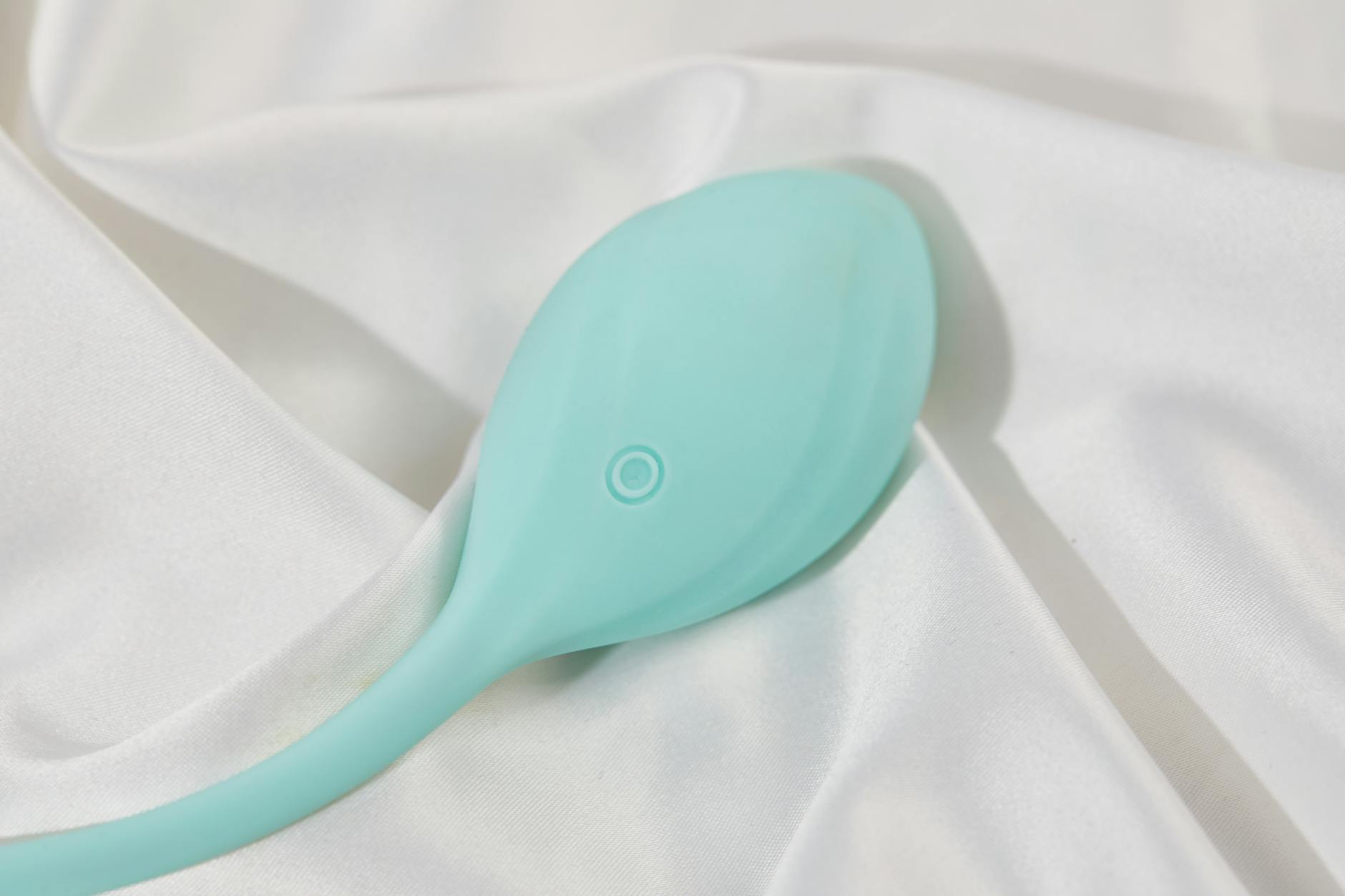
What makes sensitive bodies different
Let's be real: "sensitive" means different things depending on who's using the word. For some people, it means physical discomfort with direct friction. For others, it's sensory overwhelm from traditional vibrators that feel like they're everywhere at once. For still others, it's numbness or difficulty with standard patterns. What all of these have in common is that traditional vibrators often make things worse, not better.
The good news is that the clitoral anatomy of sensitive bodies isn't less capable of pleasure. It's just wired differently. And lemon sucker vibrators were designed specifically for this difference.
How traditional vibration stimulates vs. how suction does
A traditional vibrator works by moving back and forth thousands of times per minute. This creates broad, dispersed stimulation across the entire area of contact. It's intense, it's everywhere, and for some bodies it's overwhelming.
Suction-based lemon clitoral vibrators work on a completely different principle. Instead of vibrating side to side, they create a gentle pulsing pressure that draws tissue upward into a soft chamber. Think of it like the difference between someone rubbing your arm quickly and someone holding your hand. Both involve touch, but they feel radically different and activate different nerve pathways.
The clitoris has roughly 8,000 nerve endings concentrated in a relatively small area. When suction is applied, it stimulates these nerves through gentle pressure changes rather than through mechanical friction. This means more sensation in the right spot with less overall stimulation intensity.
Why sensitive bodies respond better to suction
Three anatomical reasons:
First, concentration. The clitoral glans (the visible part) is surrounded by a hood that protects it. A traditional vibrator pressed against the hood can feel too broad or diffuse. Suction creates pressure specifically where you want it, without requiring direct contact on tissue that's too sensitive to touch.
Second, less desensitization. Numbing happens when the same type of stimulation activates the same nerve fibers repeatedly without breaks. It's called habituation, and your nervous system is actually protecting you. Suction feels different enough from direct vibration that it can bypass this response entirely, or at least delay it significantly. If you've rebuilt sensitivity after traditional vibrator overuse, a lemon sucker vibrator often prevents the cycle from starting again.
Third, control. With a traditional vibrator, intensity is usually binary: on or off, pattern one or pattern two. Suction-based vibrators like the Lem give you dial-able intensity. You can start at a barely-there pressure that builds over time, rather than hitting a higher baseline and hoping your body adjusts.
Who specifically benefits most
If any of these sound familiar, a lemon clitoral vibrator is worth trying.
People with hypertonicity of the pelvic floor (muscles that are chronically tight) often find that traditional vibration triggers more tension, which creates pain or numbness. Suction, because it doesn't require as much contraction to hold in place, feels less triggering. People who've had trauma in their sexual history sometimes find direct vibration too much like forced touch. Suction feels more respectful and less invasive because it's a pull rather than a push.
People over 40 whose tissue has thinned due to aging or lowered estrogen (see our piece on how lemon clitoral vibrators work better after 40 for more detail) benefit because suction doesn't require as much friction against delicate tissue. People with numbness or difficulty experiencing sensation often find suction more novel to their nervous system, which can reawaken response.
People with anxiety around sex often report that the gentleness of suction feels less performative. If you're the kind of person who tenses up or second-guesses yourself during intimate moments, a slower build with less aggressive stimulation can create space for your body to relax.
The neurology of why it works
Your clitoris is innervated by four different nerves: the pudendal nerve, the pelvic nerve, the hypogastric nerve, and the vagus nerve. These nerves don't all respond the same way to stimulation.
Traditional vibrators tend to maximally activate the pudendal nerve (which handles direct touch sensation). This is efficient for some people. But if your pudendal nerve is already oversensitive, overworked, or if it's been heavily recruited before, it can go numb.
Suction-based stimulation activates these nerves more evenly across all four pathways. It's less of a sledgehammer to one nerve and more of a coordinated choir. This distributed activation means the sensation doesn't plateau or numb as quickly. It also means orgasms often have a different quality: less clitoral and more whole-body.
Transition from traditional vibrators if you need to
If you're considering switching from a standard vibrator to a lemon sucker style, here's how to do it without disappointment.
Don't expect the Lem to feel like a traditional vibrator, because it won't. That's the point. Give yourself a trial period of at least five to seven sessions before deciding it's not for you. Your nervous system has been trained by whatever you've been using, and retraining takes time.
Start at the lowest intensity setting and spend at least 10 minutes building from there. This isn't laziness. Lower starting intensity actually trains your nervous system to stay responsive. If you jump straight to high intensity, you're reproducing the same pattern that led you to need sensitivity rebuilding in the first place.
If you've experienced numbness from traditional vibrators, you might feel like nothing is happening during the first few sessions. This is normal. Your body is remembering what sensation feels like. By session three or four, most people feel a dramatic shift.
You don't have to throw out everything you've used before. Some people use both, rotating between them. Others find that once they've switched to suction, they never want to go back.
What to expect when you switch
Honestly though, first-time sensations with a lemon clitoral vibrator often surprise people.
Many report that the pleasure feels more localized. Instead of a buzz that spreads across the whole area, they feel a very specific point of contact. This is accuracy, not limitation.
Orgasms are often described as different in quality. Deeper, more drawn-out, less of a spike and more of a wave. Some people have stronger orgasms. Others have more frequent ones. A few report that they have orgasms they didn't know their body was capable of.
Most importantly, sensitivity doesn't crater afterward. You don't need to wait hours before you can feel anything again. The refractory period is shorter. For some, this means the possibility of multiple orgasms becomes realistic for the first time.
If a lemon sucker vibrator still isn't right for you
Not every sensitive body responds to suction, and that's fine.
Some people need even lower intensity than the Lem's setting one provides. A smaller device with lower overall power might work better. Some people find that the sensation of suction itself is uncomfortable (it can feel like something is tugging, which isn't everyone's vibe). Others discover that what they actually need is to rebuild sensitivity through intentional rest and non-genital touch before trying any device.
The point isn't to find the perfect vibrator. It's to find what actually works for your body, your nervous system, and your pleasure. If a lemon clitoral vibrator doesn't do that, something else will.
People also ask
Is a lemon sucker vibrator safe for very sensitive skin?
Yes. The soft silicone doesn't require lubrication and creates suction pressure rather than friction, which means less irritation. That said, if you have active inflammation or open sores, skip it until you've healed. For ongoing sensitivity, a quality water-based lubricant can add an extra comfort layer without changing how the device feels.
Can I use a lemon clitoral vibrator if I have vaginismus?
For vaginismus specifically (involuntary pelvic floor tension), traditional vibrators often make the condition worse by triggering more contraction. A lemon sucker might feel different enough that it doesn't trigger the same reflex. That said, whether a suction vibrator actually works for vaginismus depends on individual nervous system patterns. If you have this condition, work with a pelvic floor physical therapist in parallel with exploring devices.
How does a lemon sucker vibrator compare to a traditional clitoral vibrator?
Traditional clitoral vibrators rely on mechanical vibration. Lemon suction devices like the Lem use pulsing pressure. Traditional vibrators cover a larger area. Suction vibrators concentrate sensation. For sensitive bodies, suction usually feels less intense, less numbing, and easier to control. Try both if you can. Your body will know which one feels right.
Do I need to use lubricant with a lemon clitoral vibrator?
No, but many people choose to. The silicone glides smoothly without it. Adding water-based lubricant can make the sensation feel softer and smoother, which some sensitive bodies prefer. It doesn't hurt, and it can help if your body tends toward dryness.
What if the suction feeling is uncomfortable at first?
This is common. Your body has probably never experienced suction stimulation before, so it can feel weird initially. Lower the intensity and take a break if it's too much. Some people need three to five sessions before the sensation shifts from "strange" to "amazing." Others discover that suction just isn't their thing, and that's okay. Pleasure isn't one-size-fits-all.
Are lemon vibrators quieter than traditional vibrators?
Yes. Because they work through suction and gentle pulses rather than vibration, they're significantly quieter. This is helpful if you live with roommates, have children, or simply prefer privacy without sound.
The bottom line
Sensitive bodies deserve tools that actually work for them, not tools that keep reproducing the same pattern of numbness and frustration. A lemon clitoral vibrator isn't a novelty. It's a fundamentally different approach to clitoral stimulation, built on different anatomy and different neurology.
If traditional vibrators have left you numb, overwhelmed, or just not impressed, this is worth exploring. Your sensitivity isn't a limitation. It's information. And the right device listens to that information instead of fighting it.
Ready to explore? Start with a gentle pattern at low intensity and trust your body. It knows what it needs.